
Conservation
Biodiversity on the farms
The cooperative cares for and protects forest fragments within its farms. Maintaining and improving conservation areas within agroecosystems is one of the most important strategies to conserve wildlife, both inside and outside protected areas.
Can we imagine a world without wildlife?
Conserving biodiversity is a challenge today. Wild vertebrate populations worldwide declined by 60% on average between 1970 and 2014, according to WWF’s Living Planet Report 2018. In response, the cooperative conserves forest fragments within its farms.
Flora
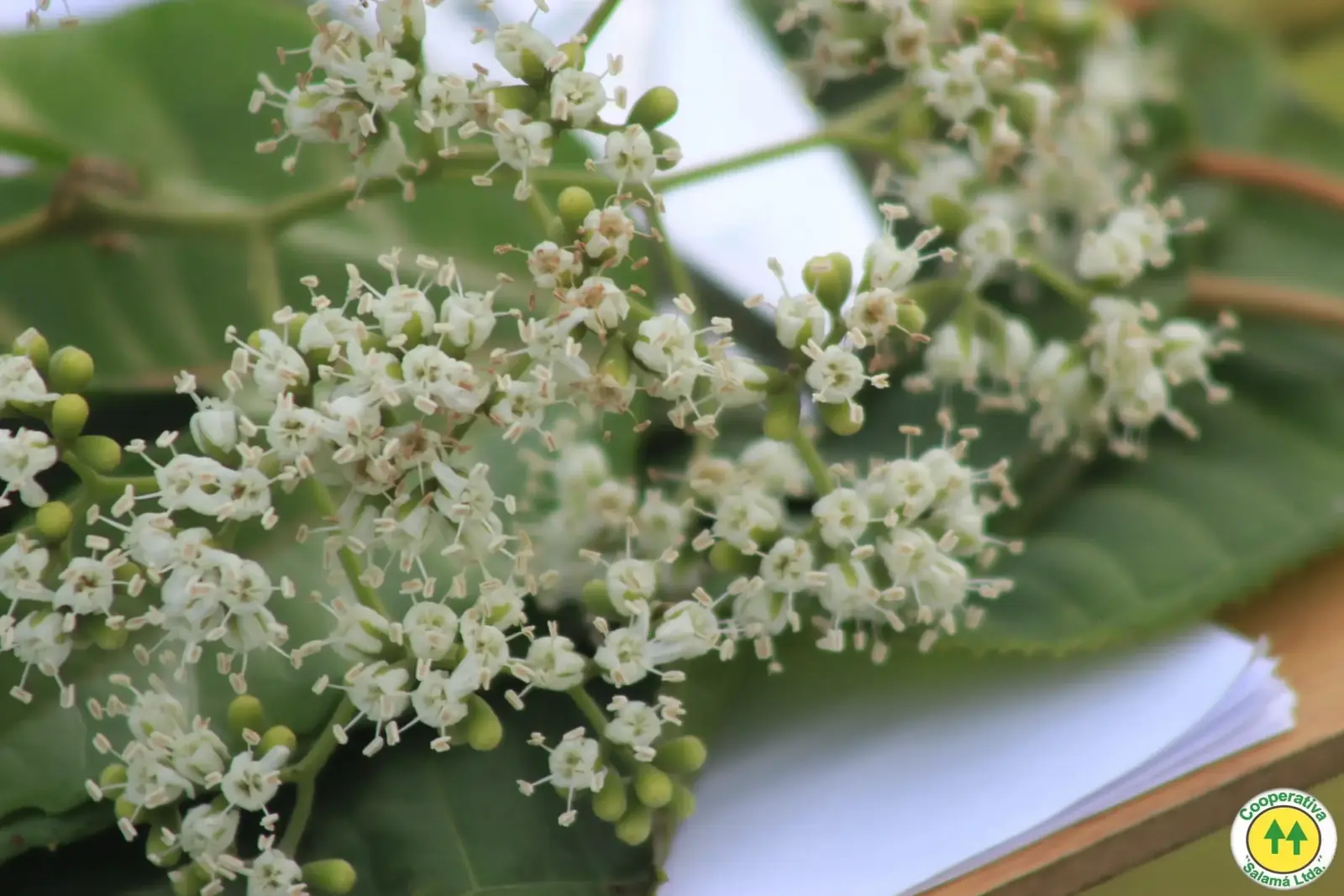
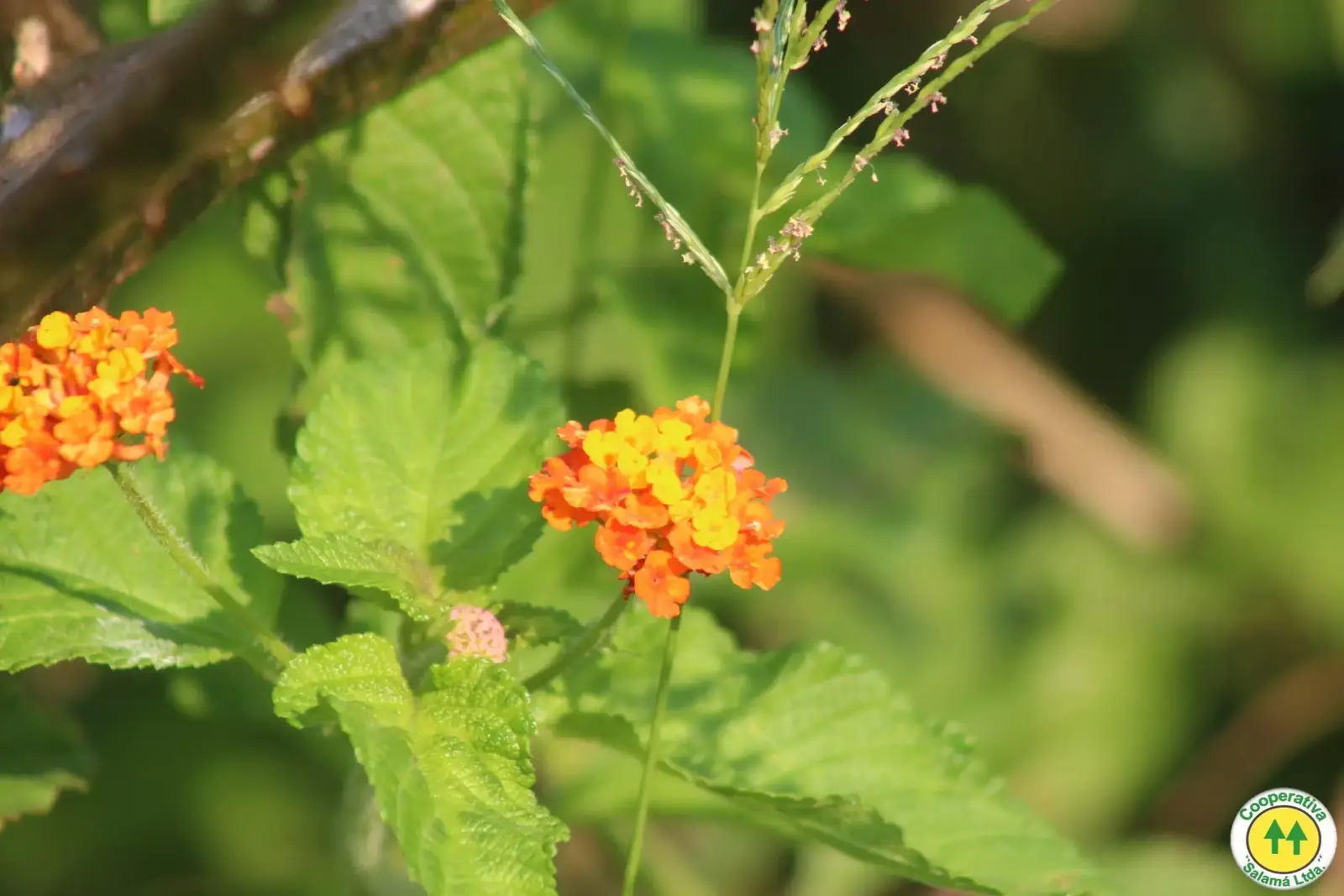
A total of 237 plant species from 74 families have been recorded on the farms, including papaya (Carica papaya), rubber tree (Castilla elastica), Albizia adinocephala, laurel (Cordia alliodora), Inga oerstediana, Zamia standleyi, Merremia umbellata, Lantana camara and Asclepias curassavica.
Cooperative records published in December 2023. Scope: the cooperative’s farms.
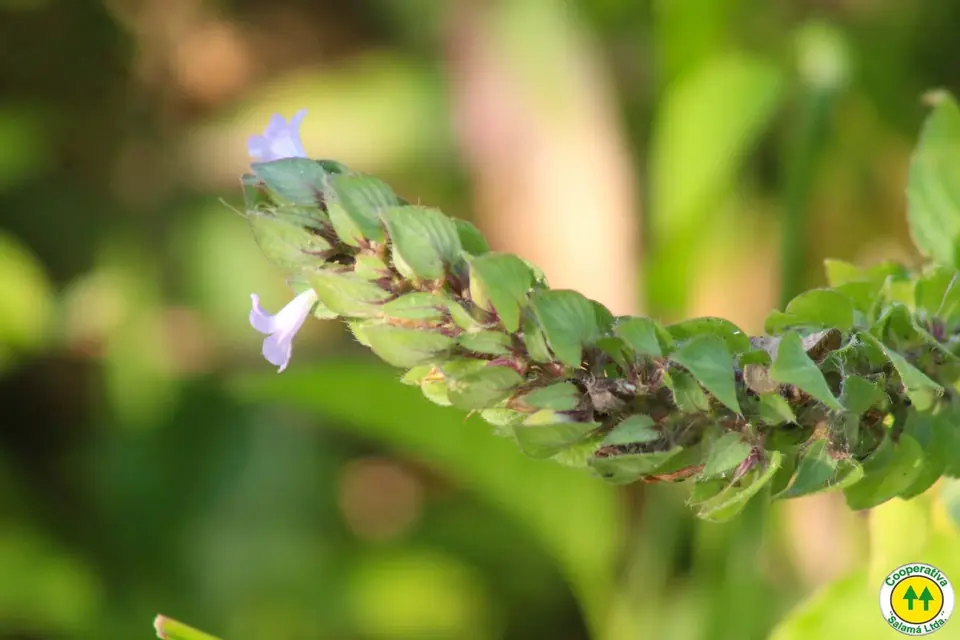
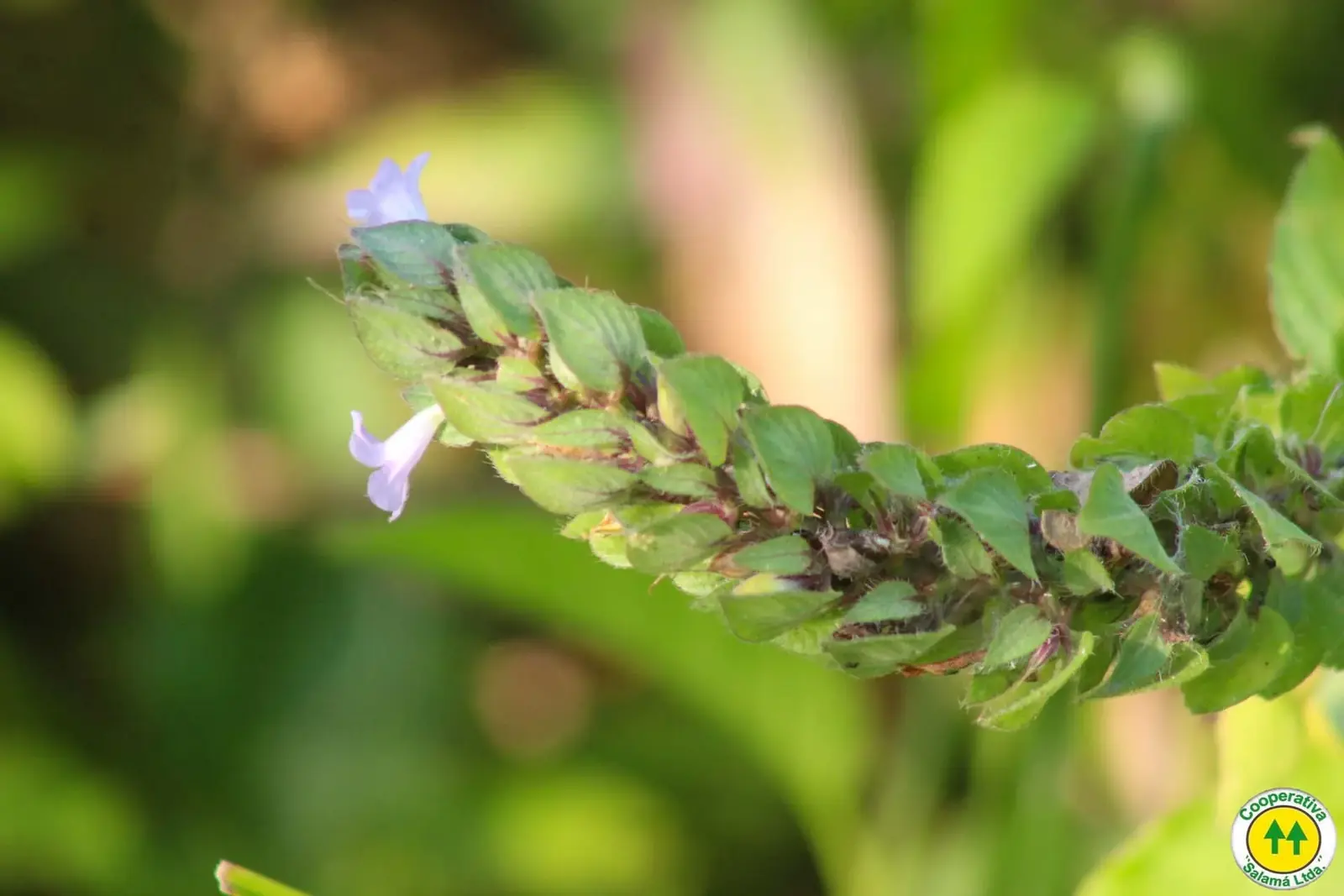
Blechum brownei 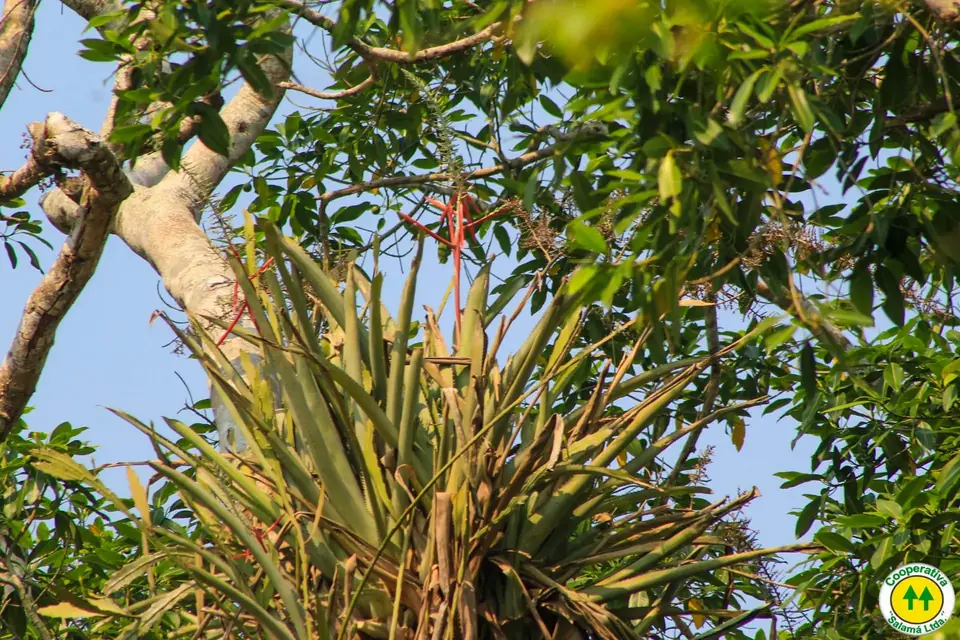
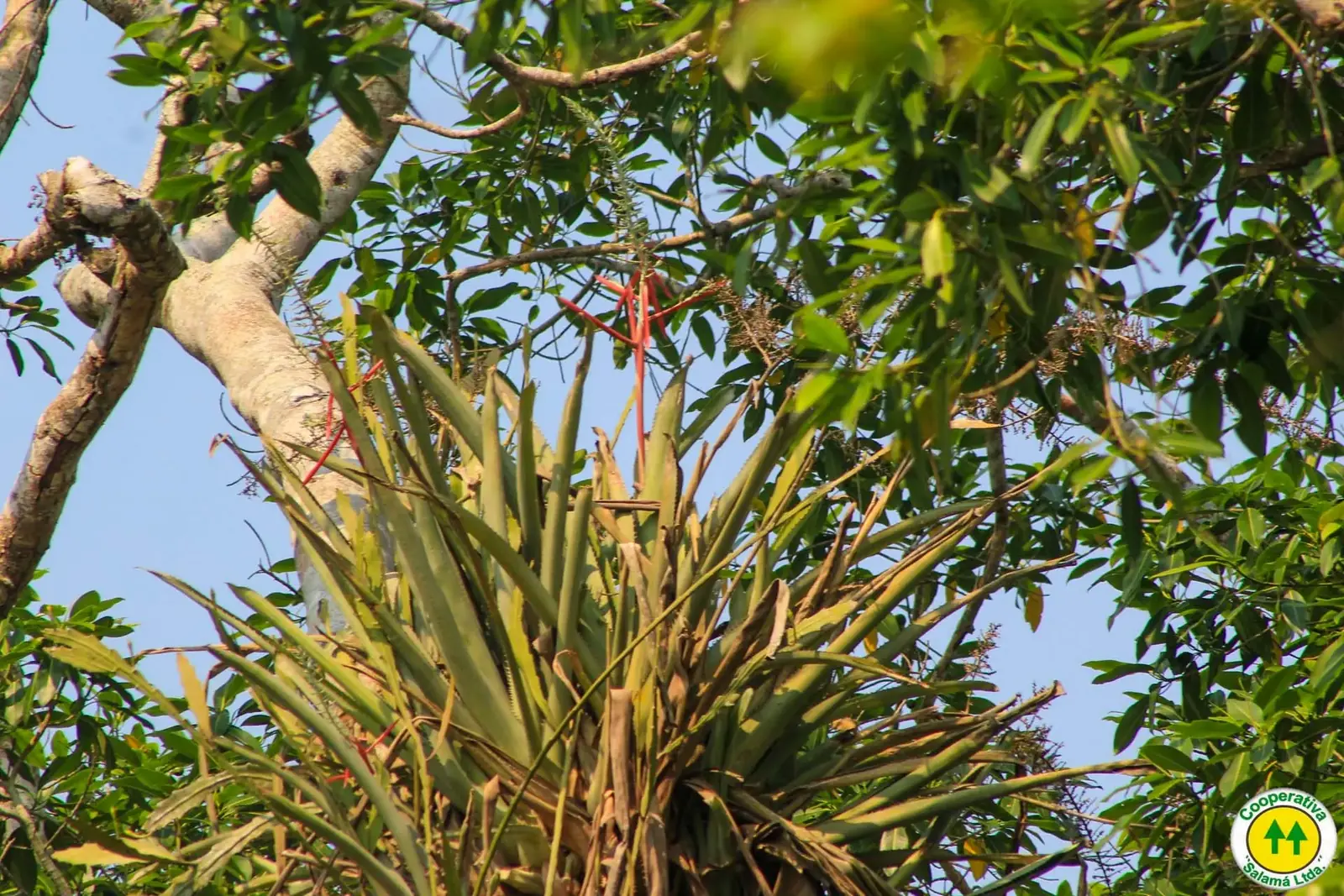
Aechmea bracteatabromeliad 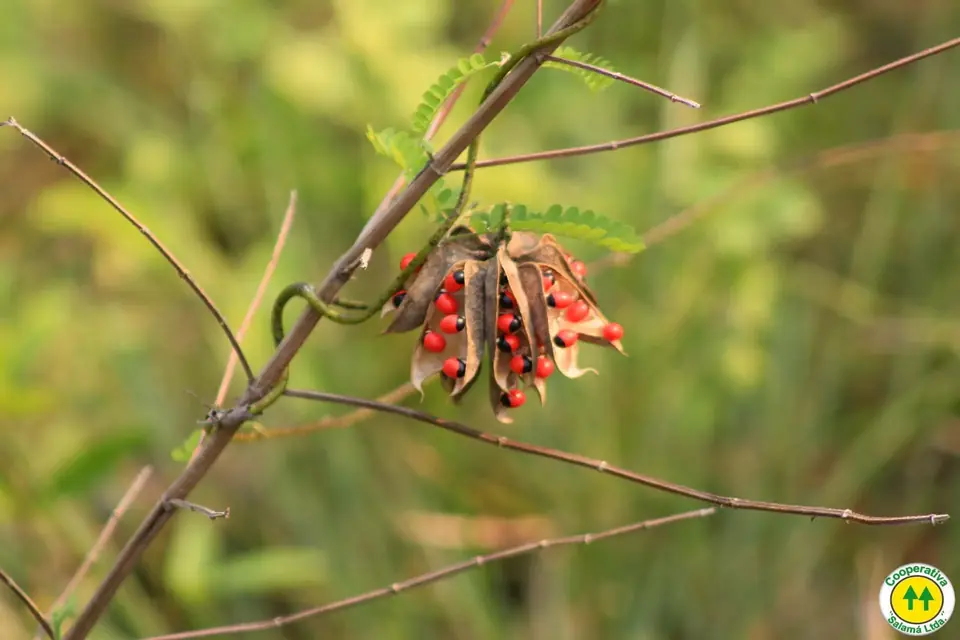
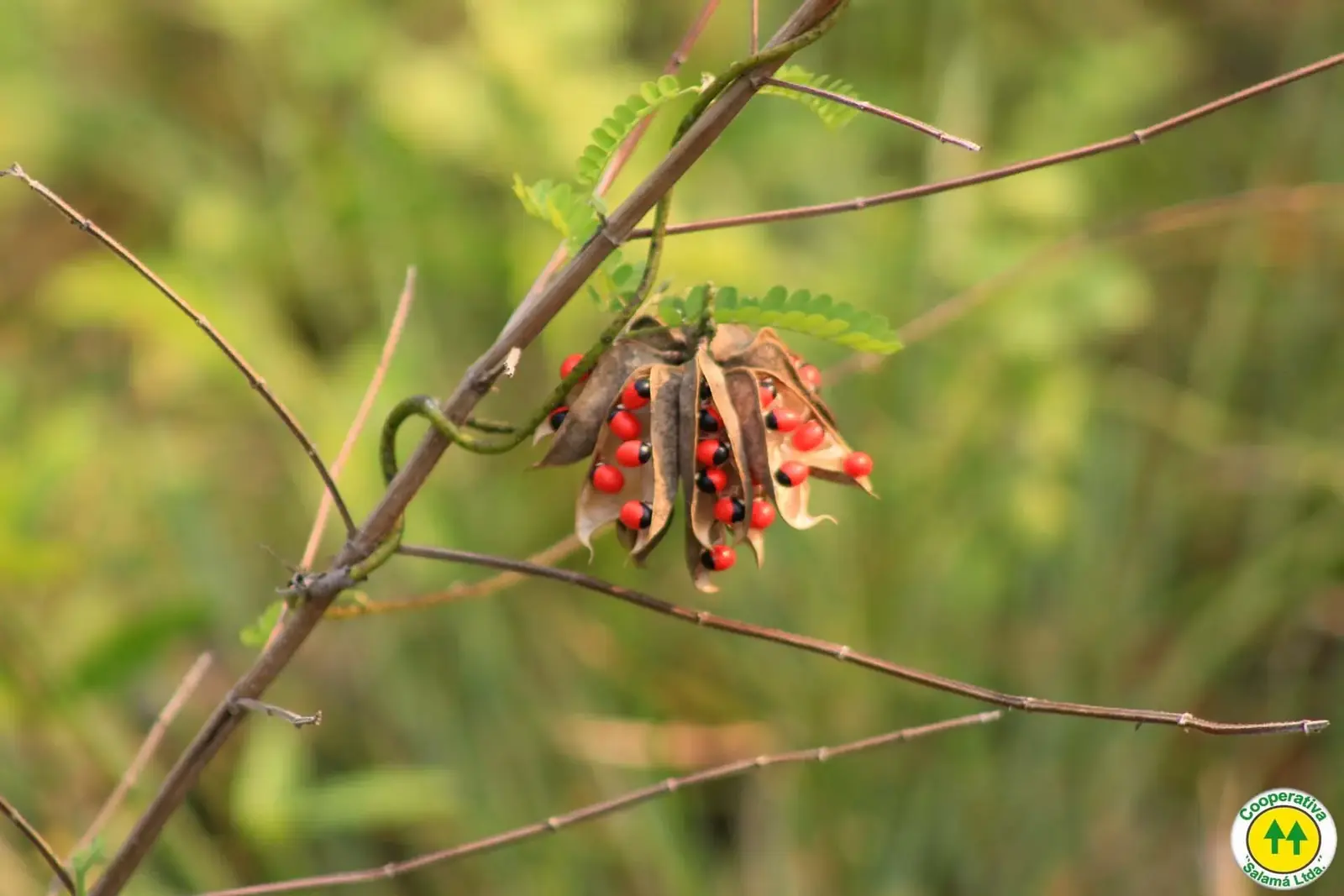
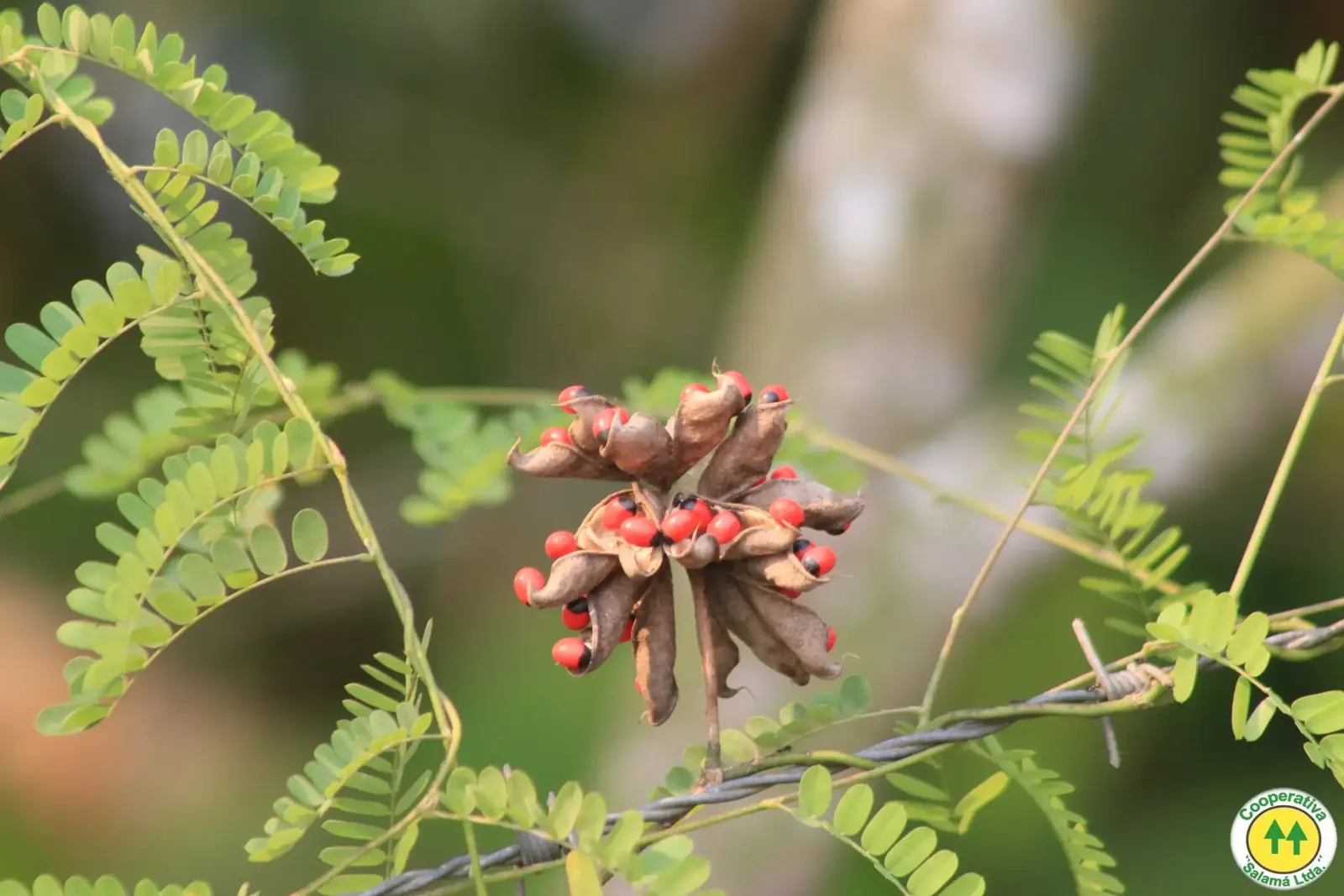
Abrus precatoriusrosary pea 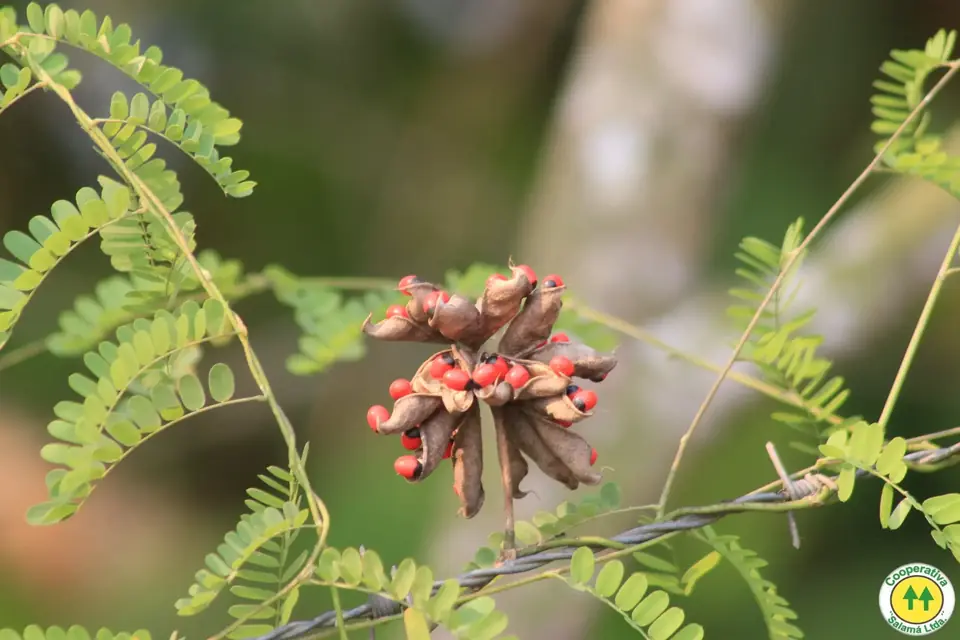
Abrus precatoriusfruits 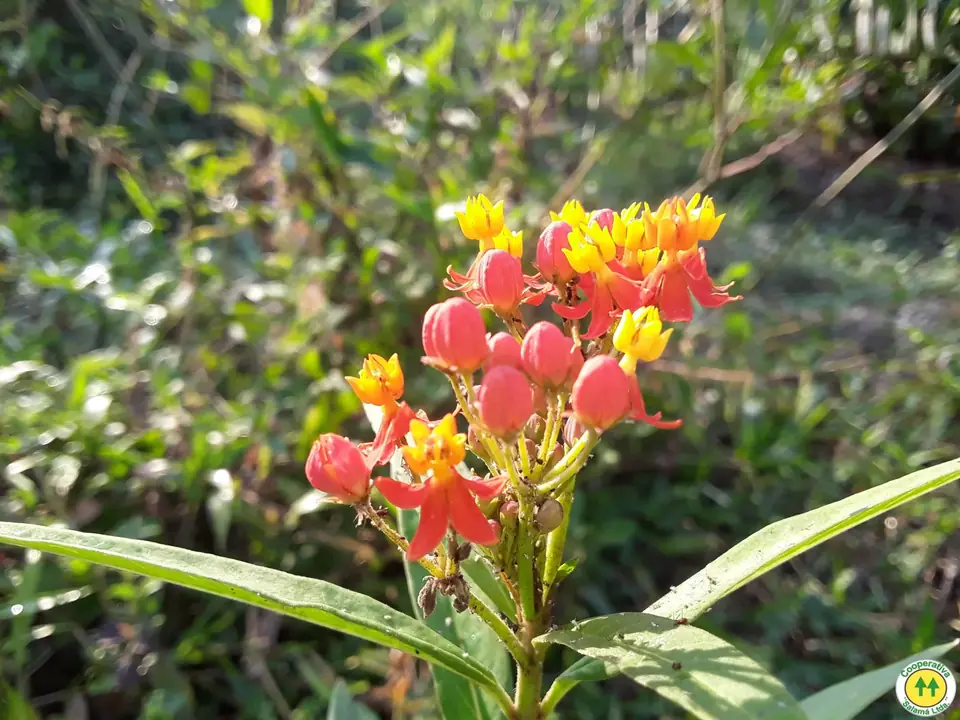
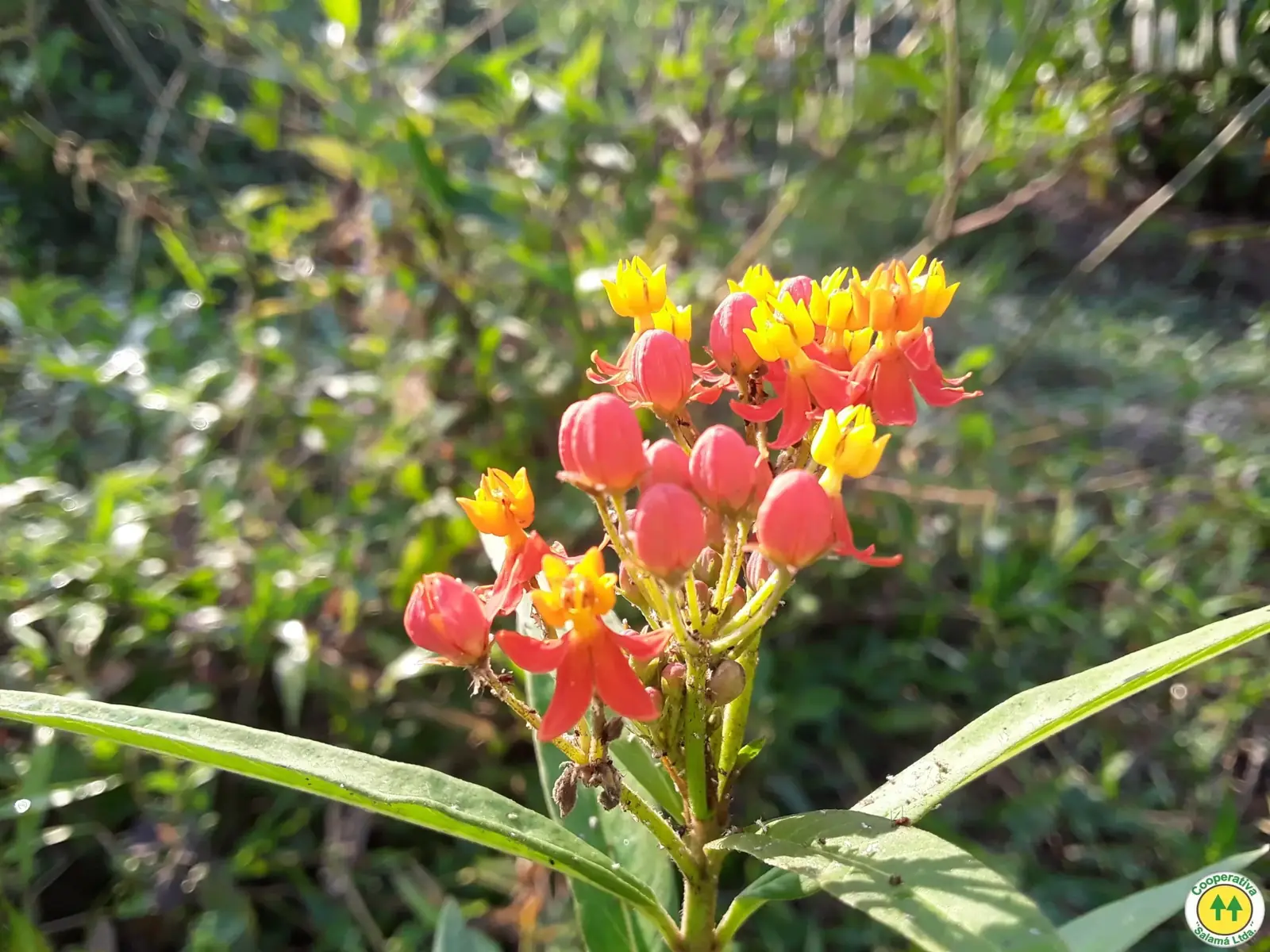
Asclepias curassavicatropical milkweed 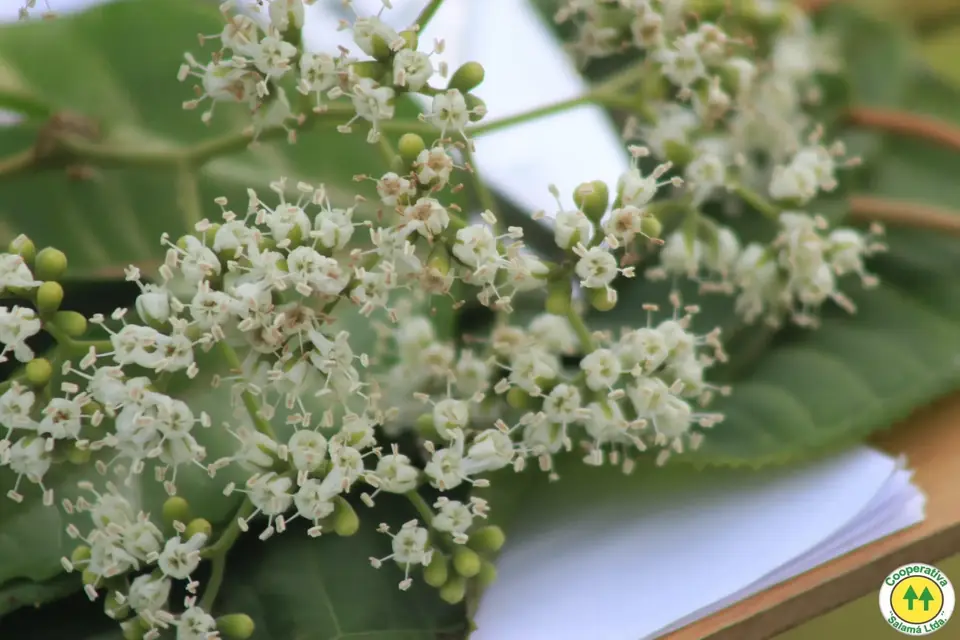
Cordia alliodoralaurel 
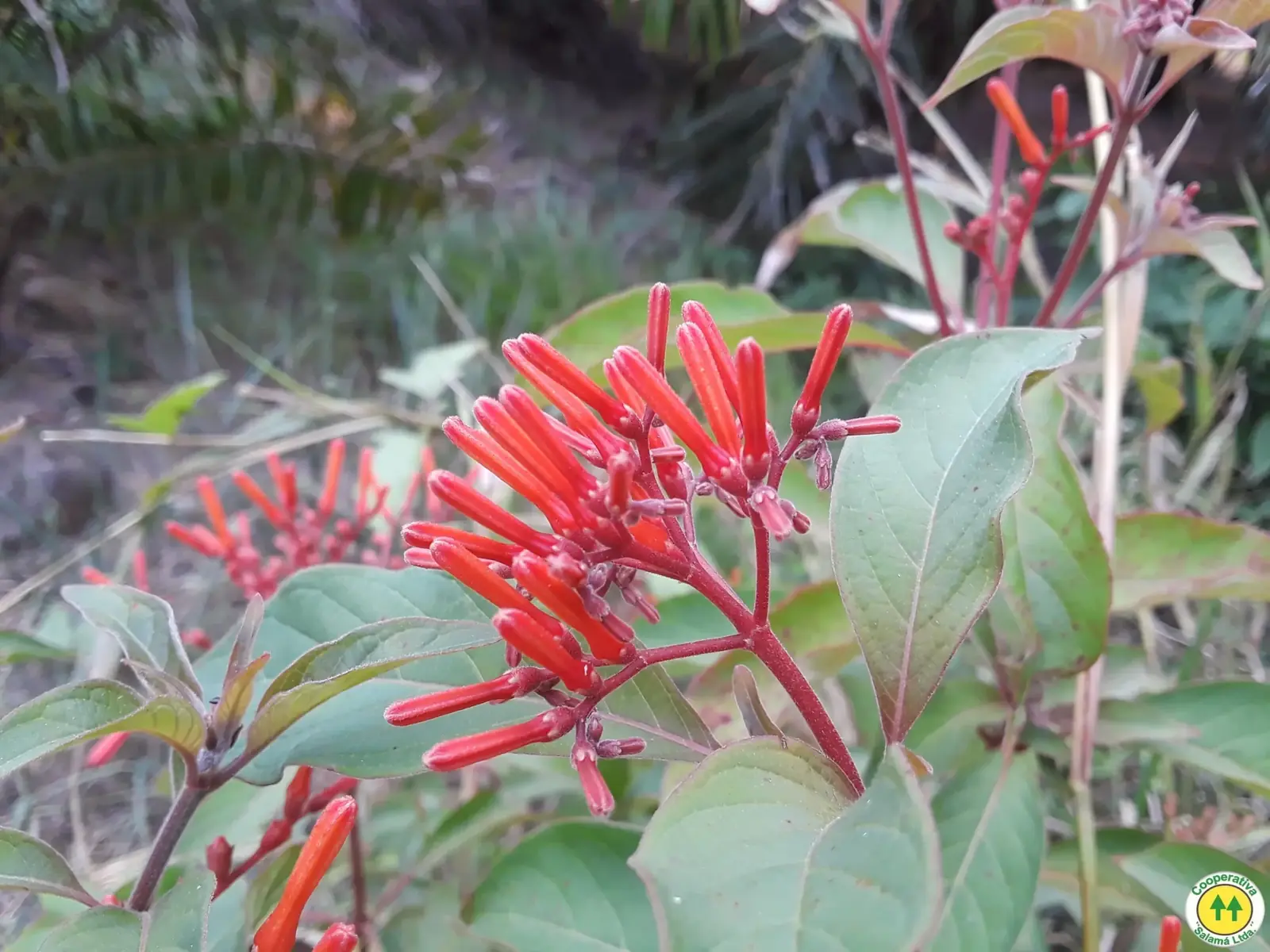
Hamelia patensfirebush 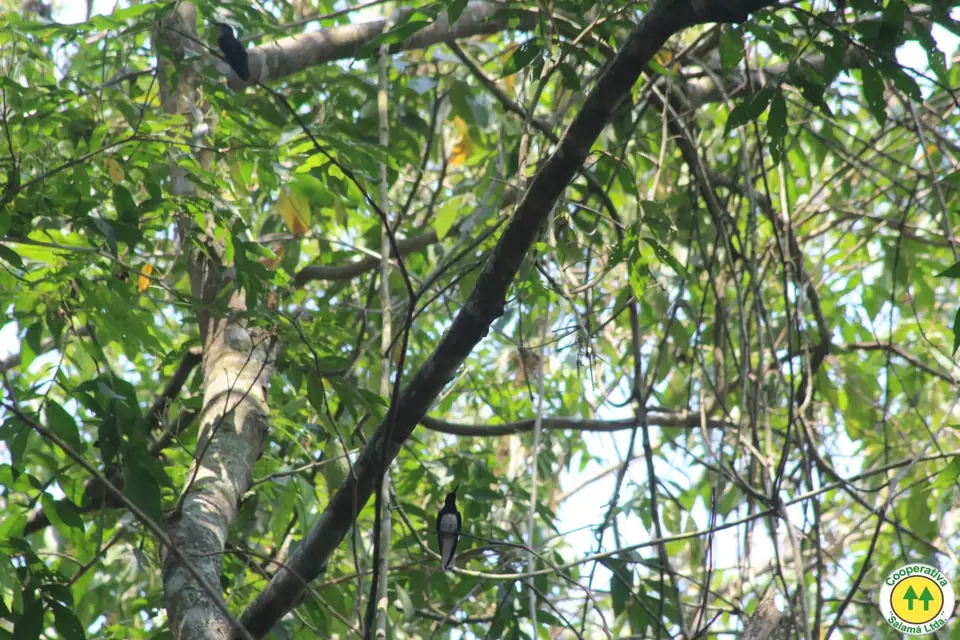
Inga oerstedianainga 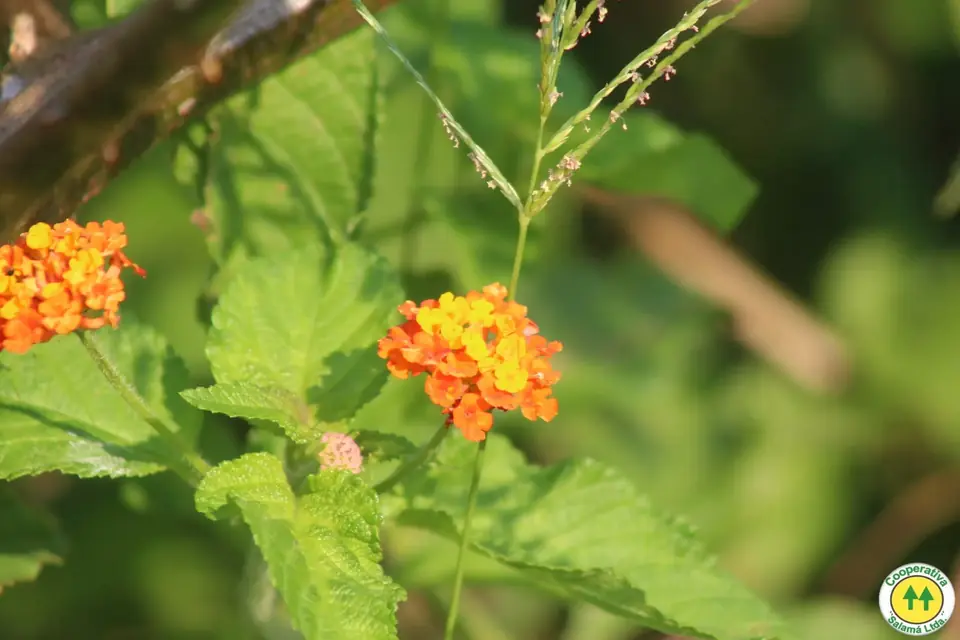
Lantana camaralantana 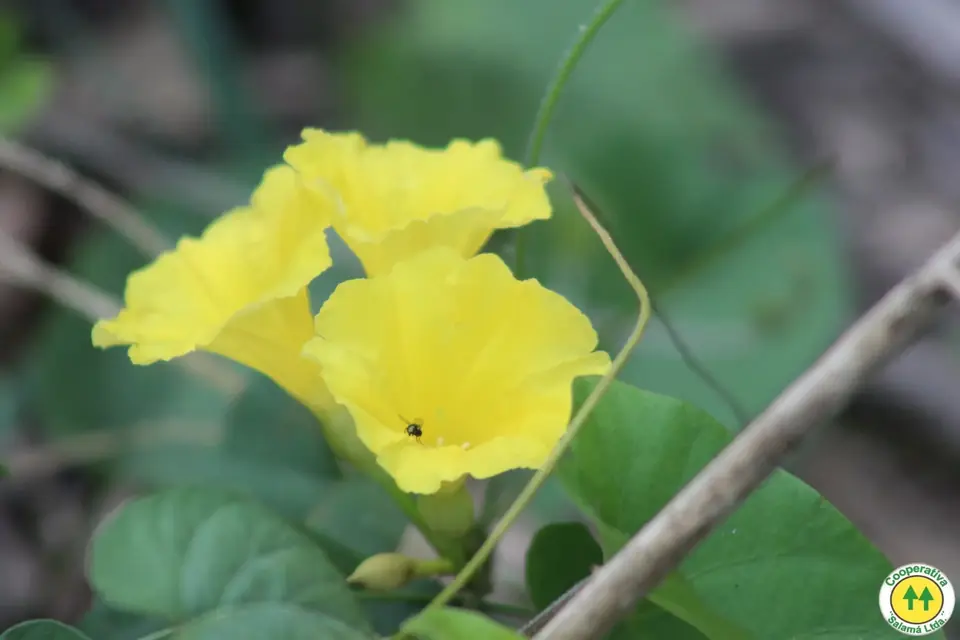
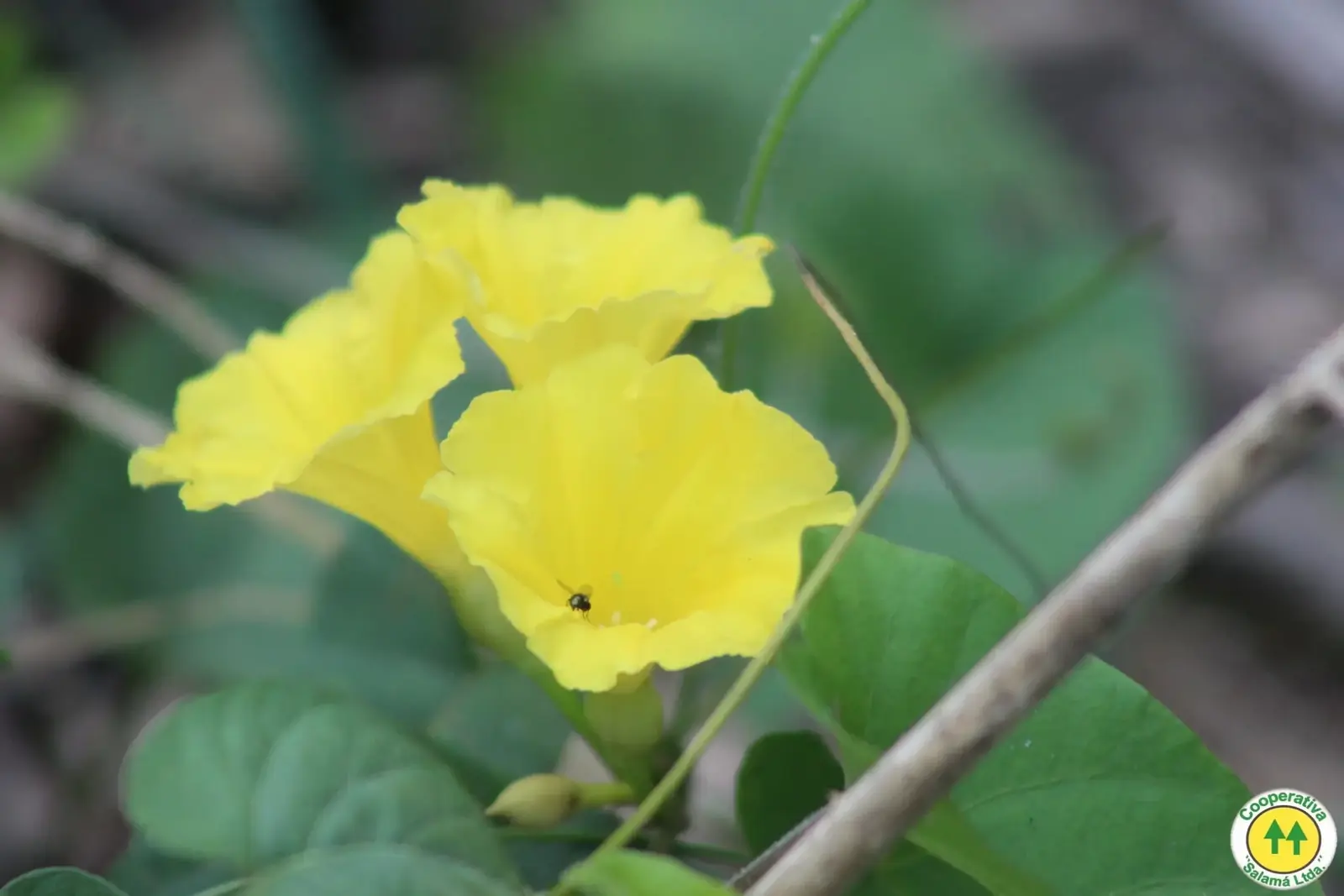
Merremia umbellatayellow morning glory 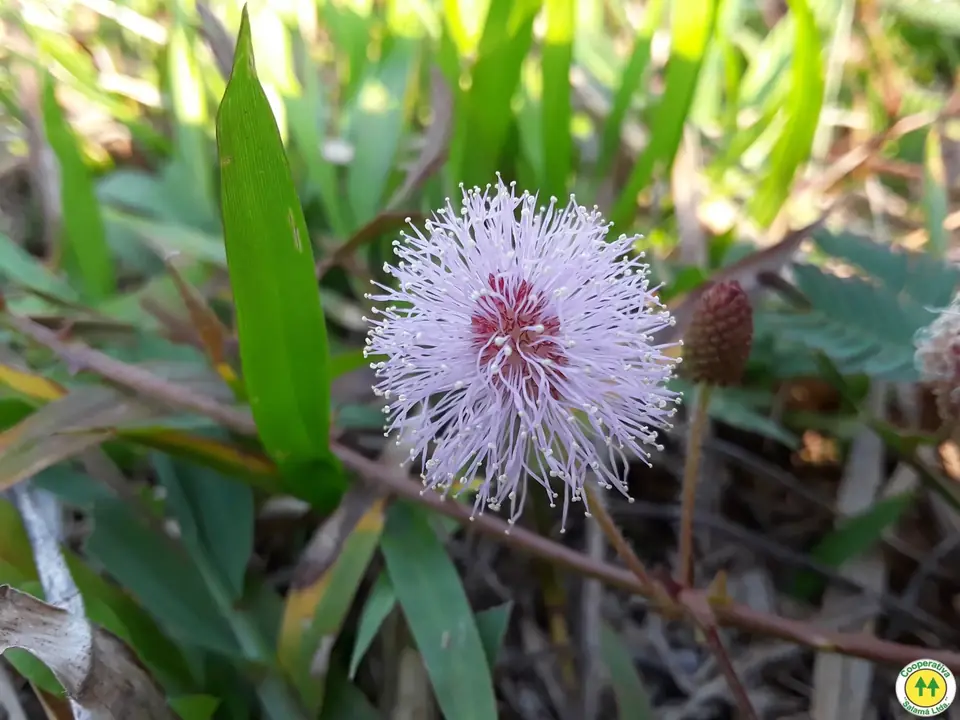
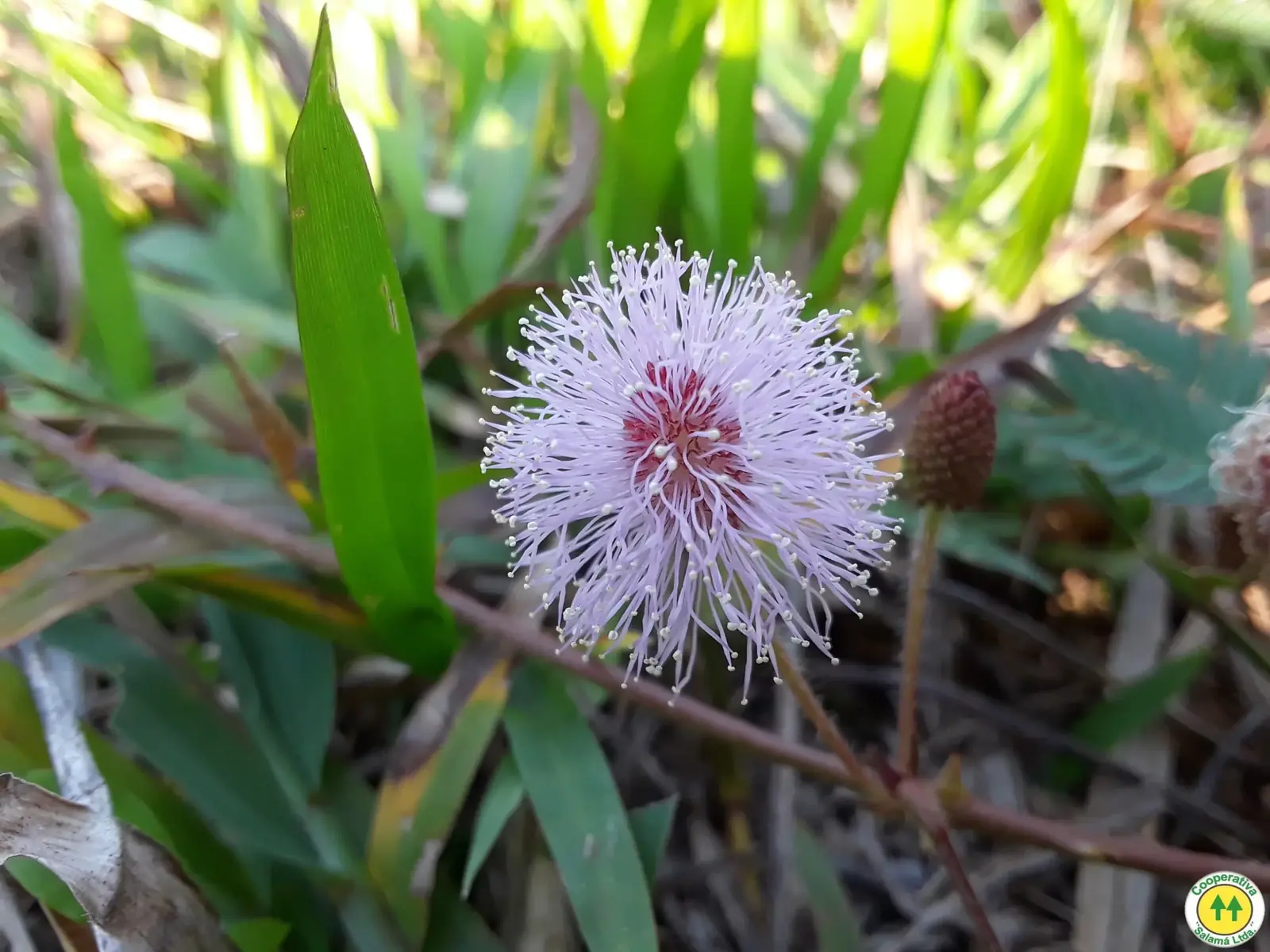
Mimosa pudicasensitive plant 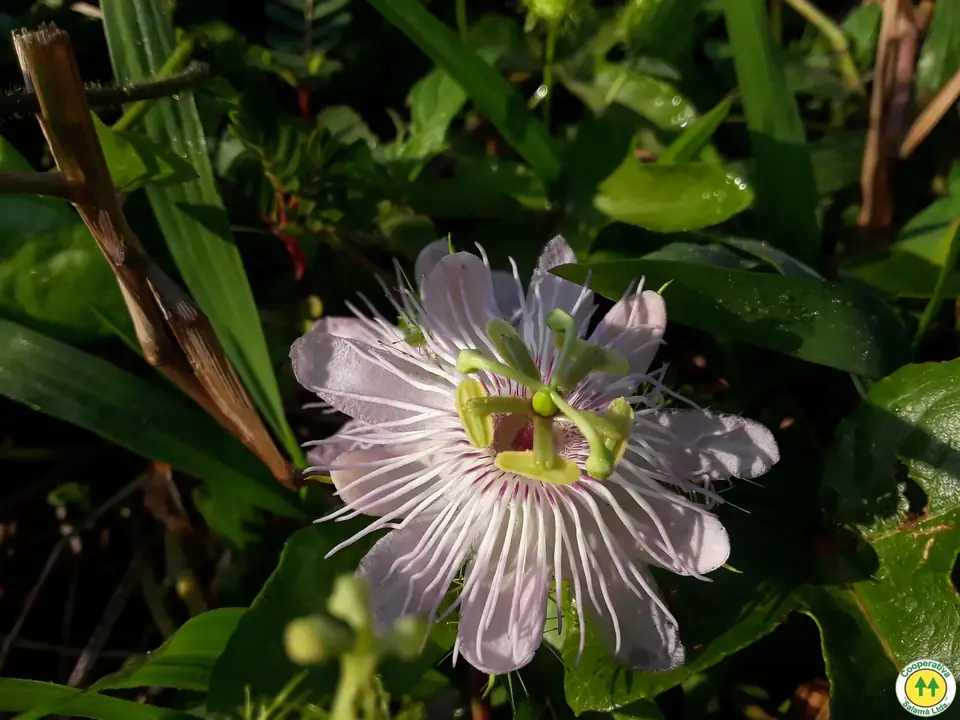
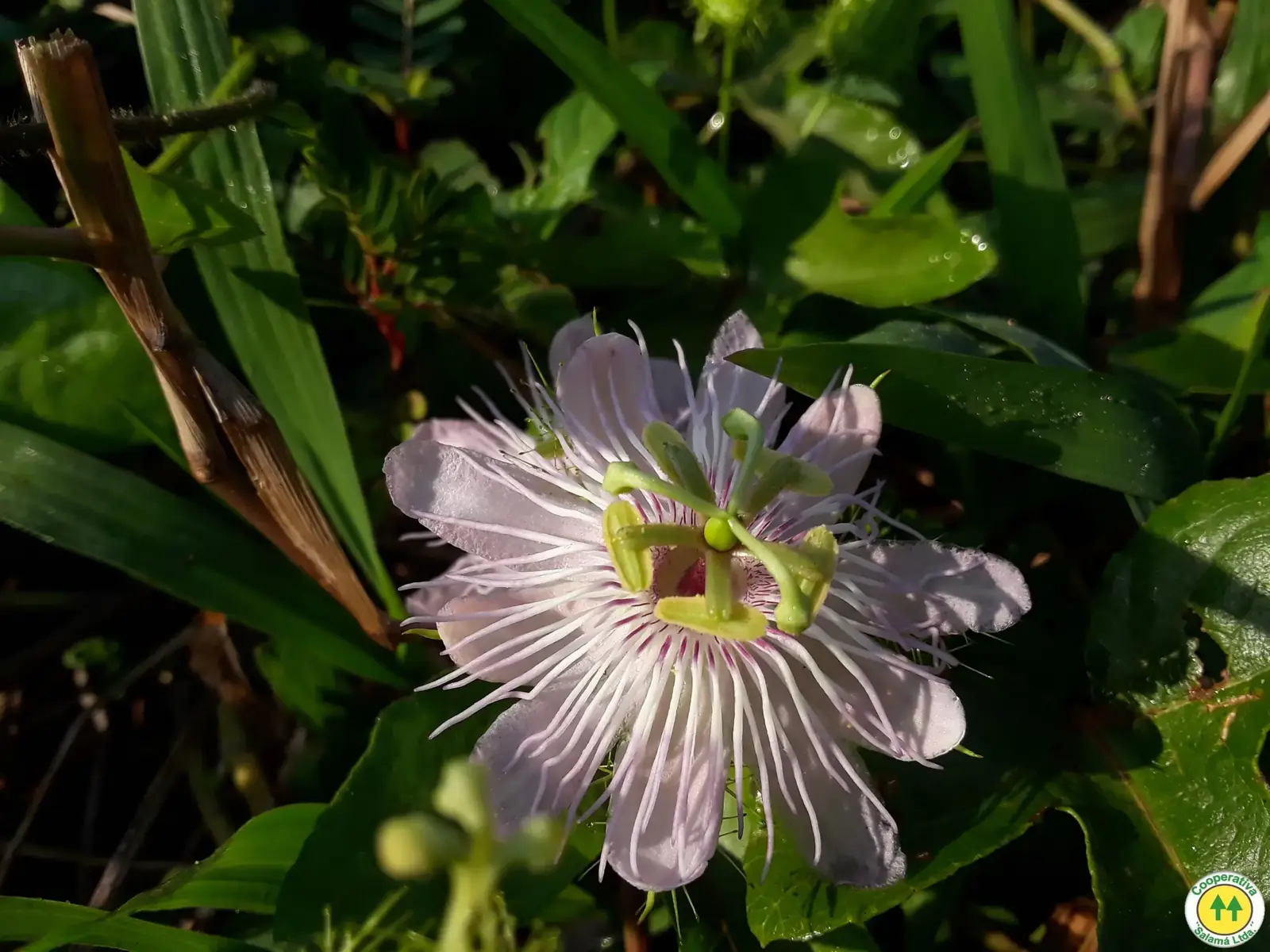
Passiflora foetidawild passionflower 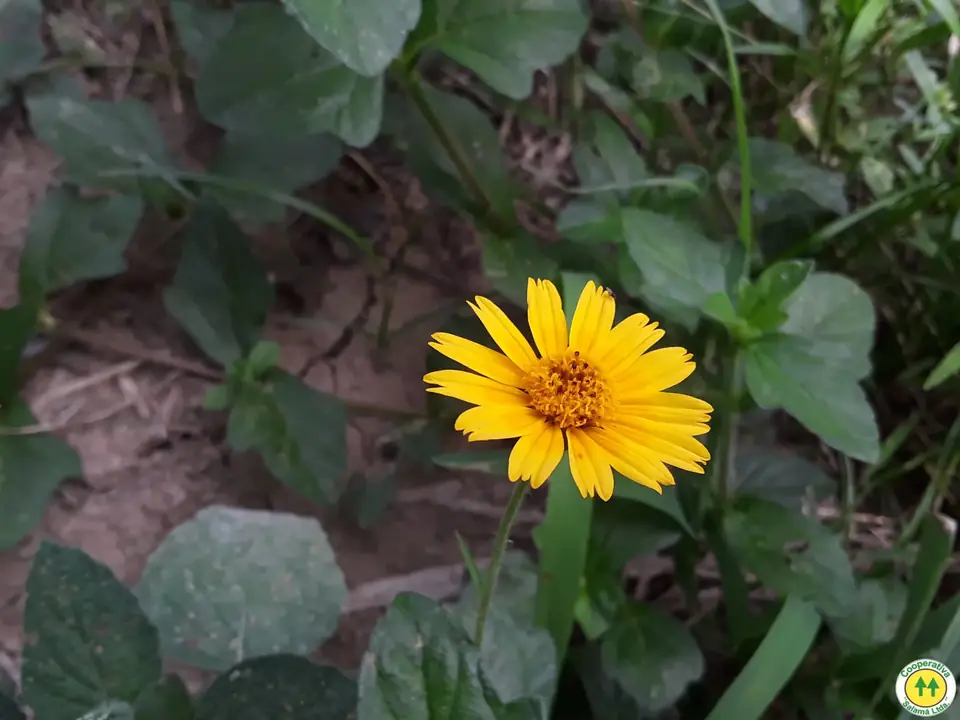
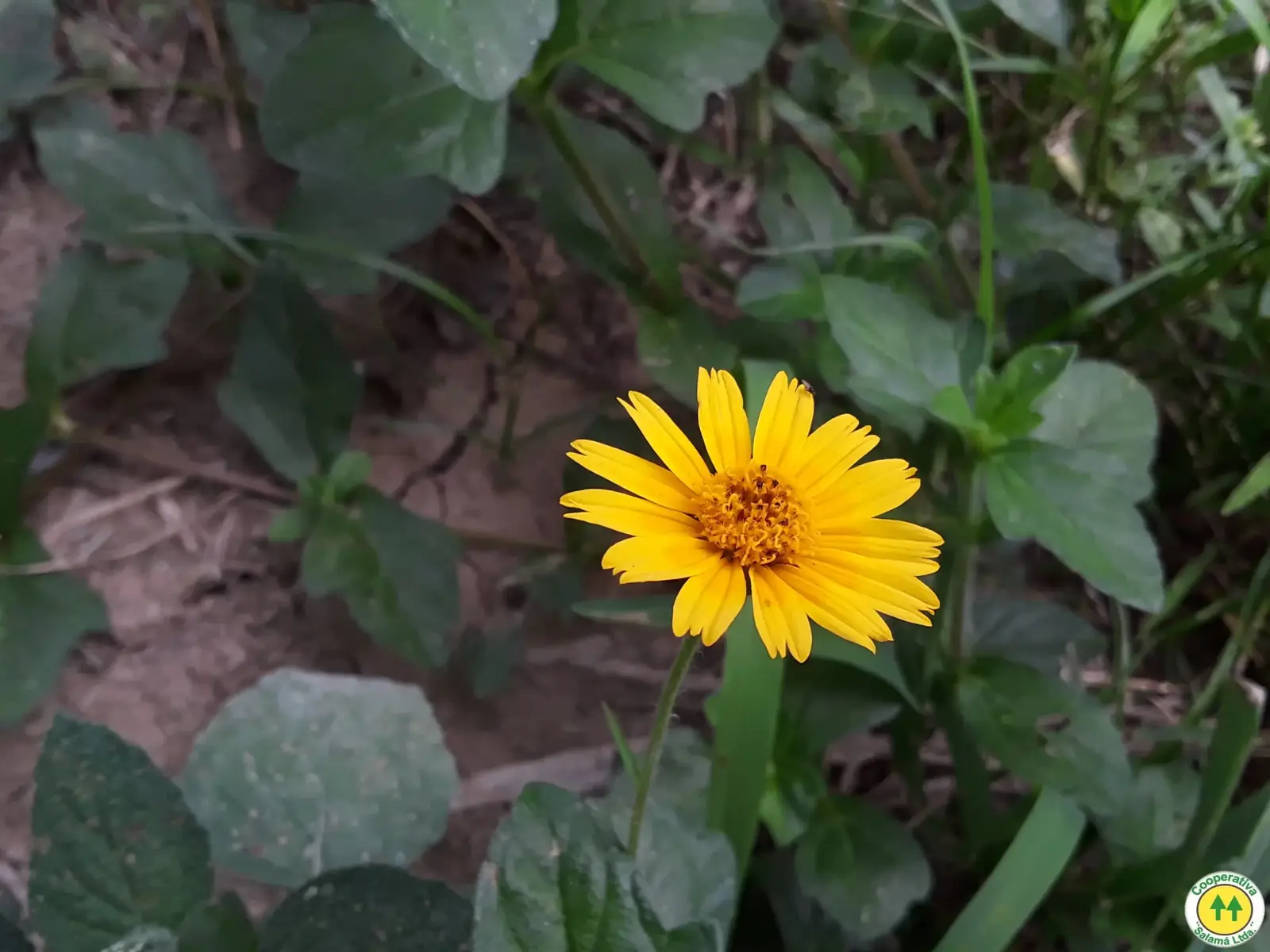
Sphagneticola trilobatacreeping daisy 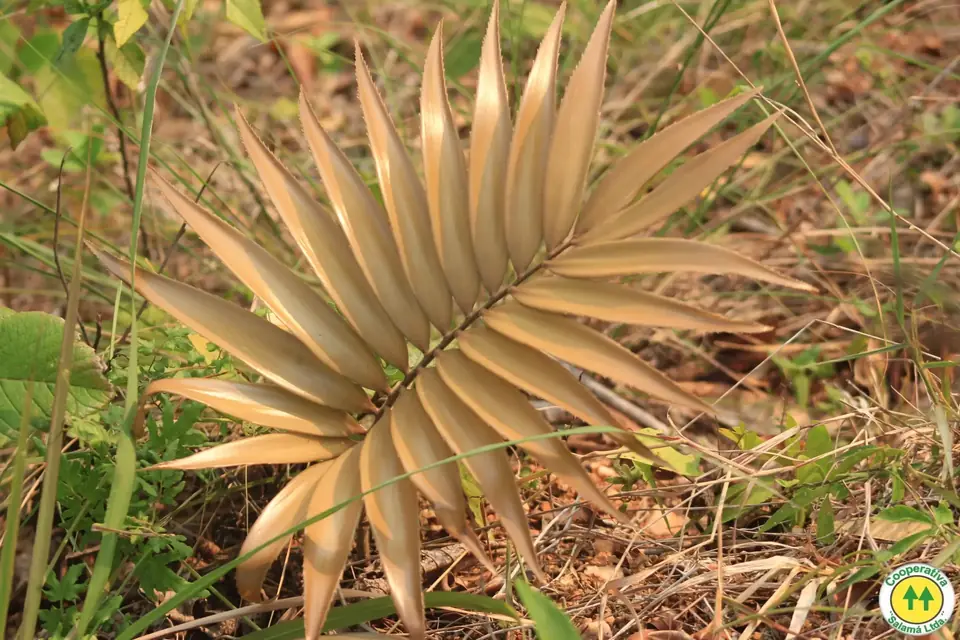
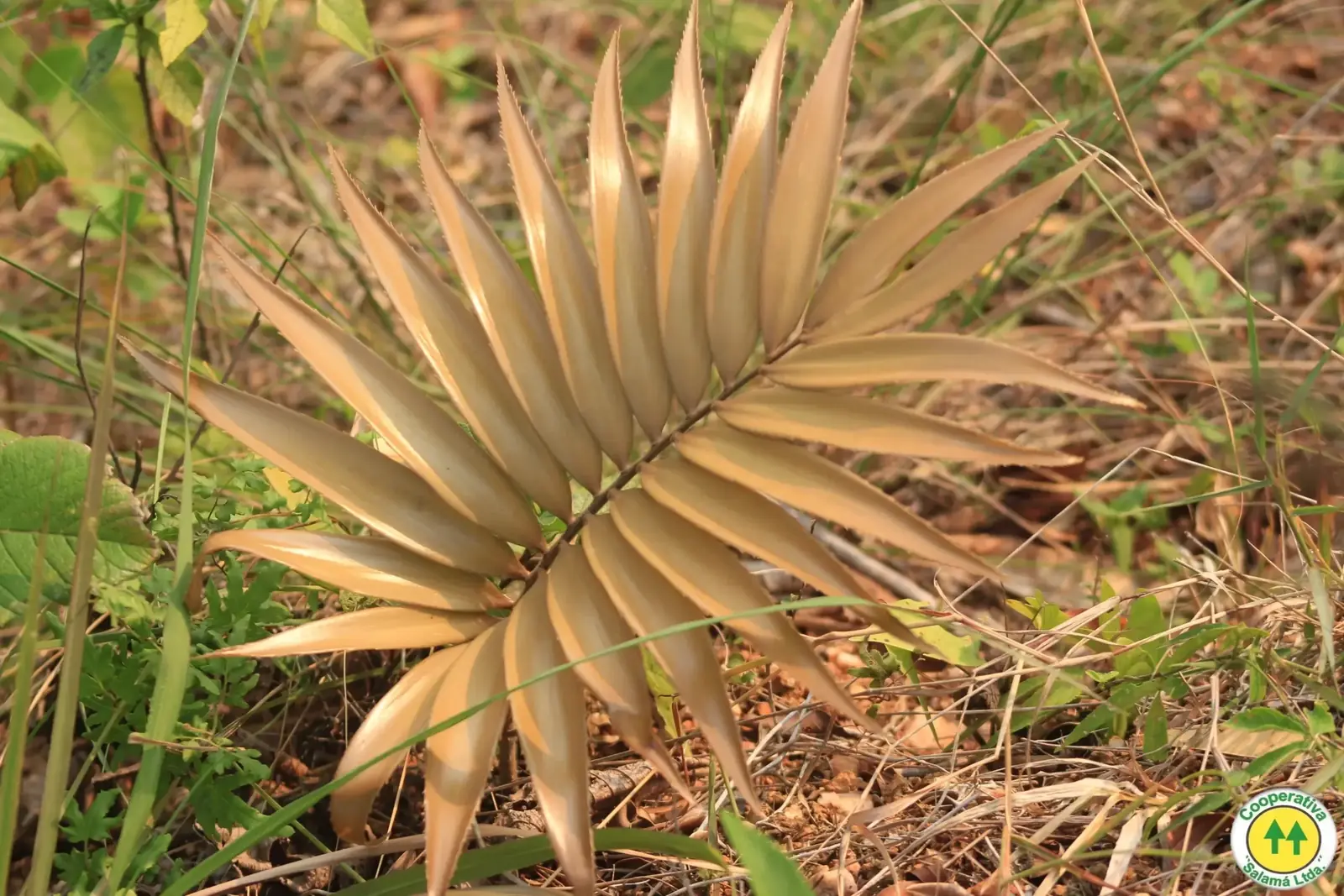
Zamia standleyi
Fauna
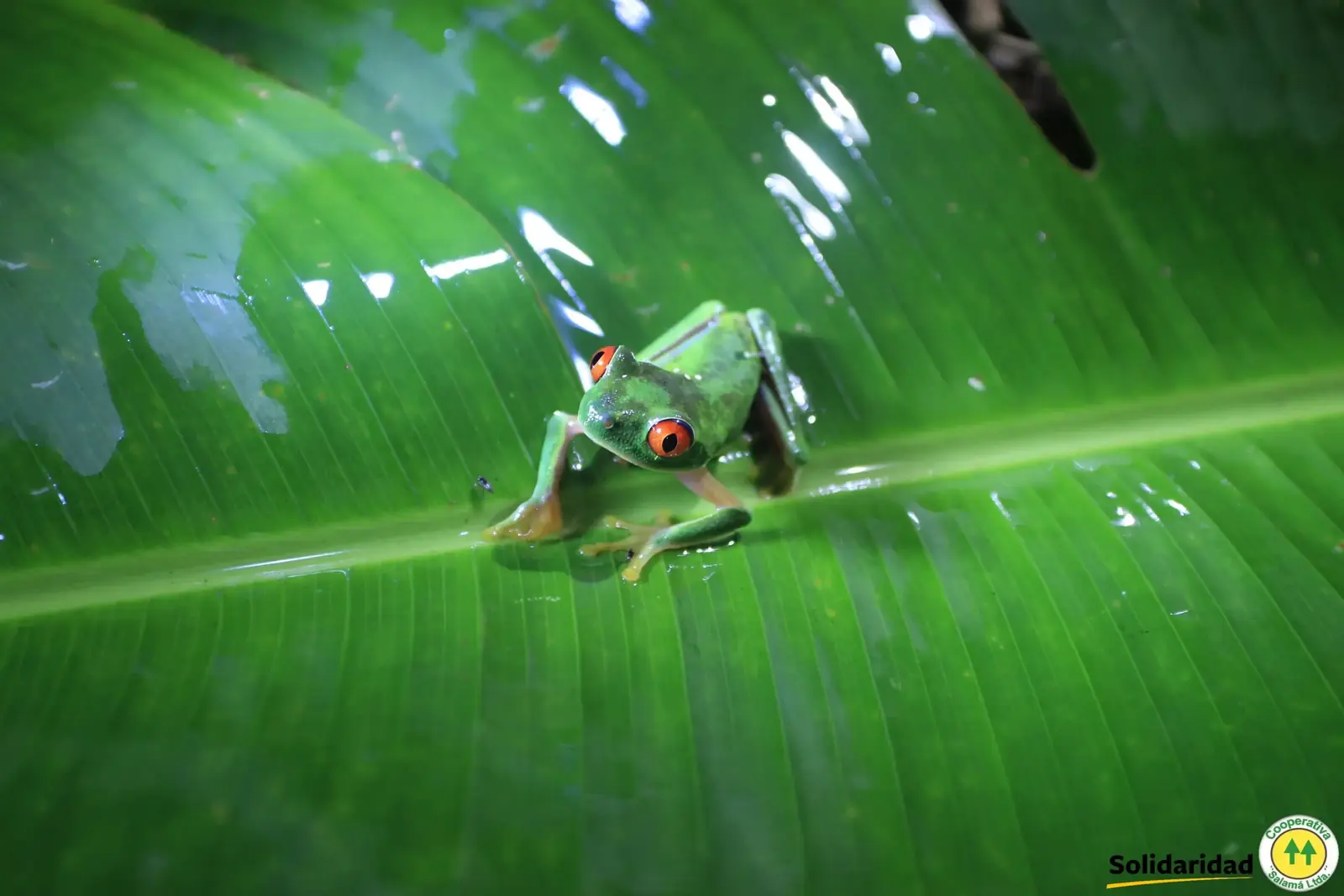
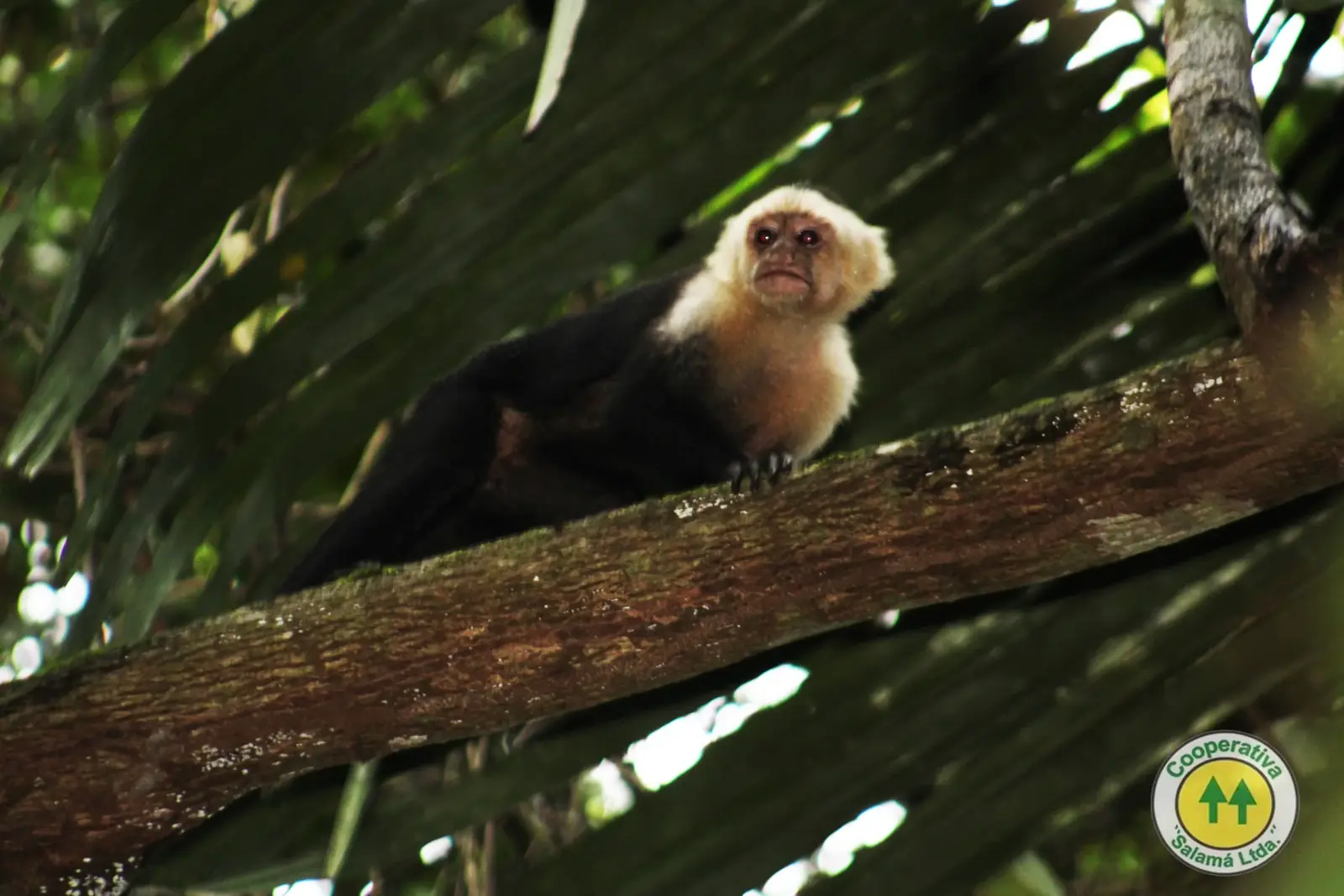
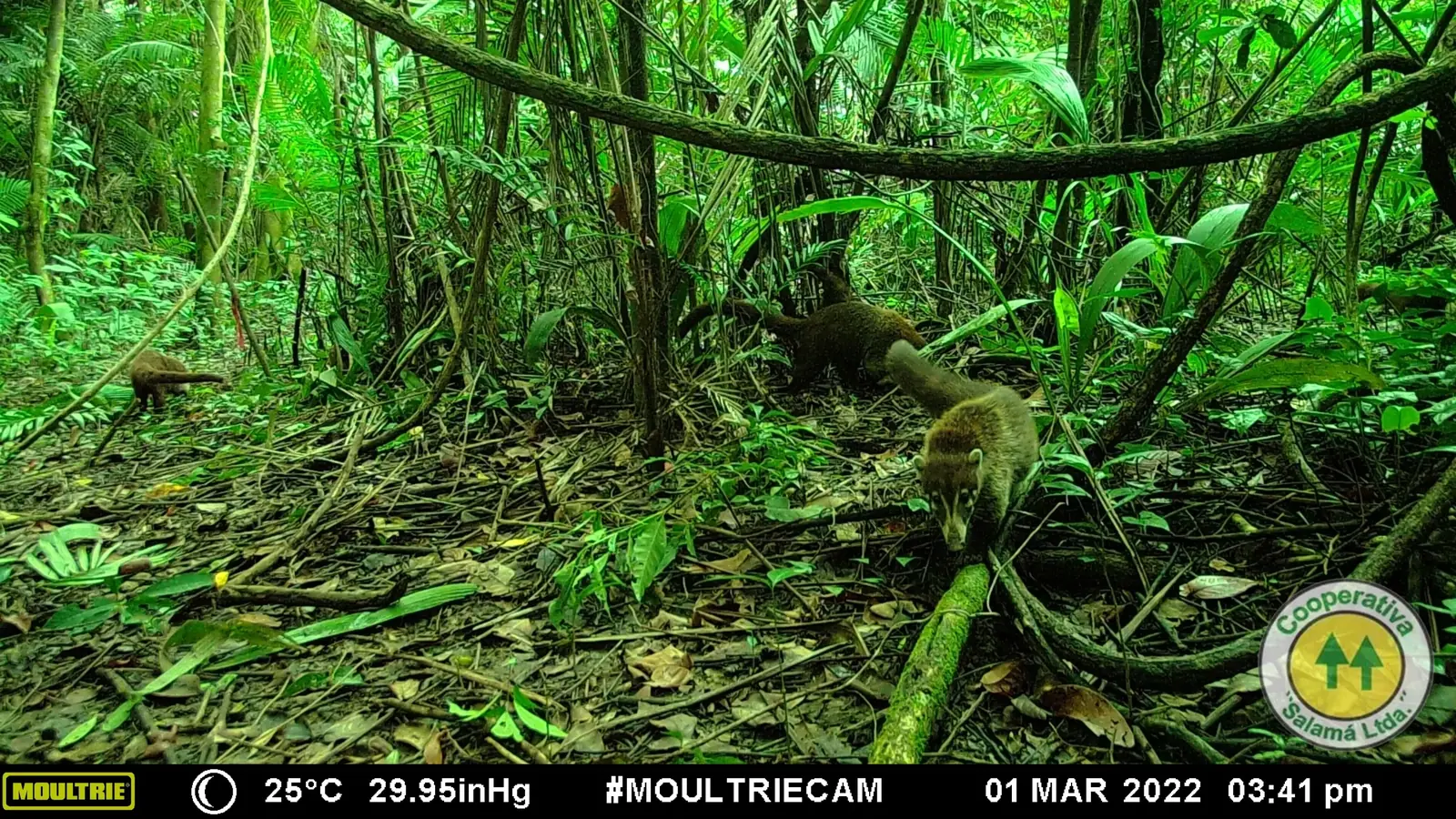
Recorded species include the ocelot (Leopardus pardalis), jaguarundi (Puma yagouaroundi), lowland paca (Cuniculus paca), Central American agouti (Dasyprocta punctata), collared peccary (Pecari tajacu), hooded skunk (Mephitis macroura), Neotropical otter (Lontra longicaudis), white-nosed coati (Nasua narica), red-eyed tree frog (Agalychnis callidryas), Mexican burrowing toad (Rhinophrynus dorsalis), fer-de-lance (Bothrops asper), Central American coral snake (Micrurus nigrocinctus), keel-billed toucan (Ramphastos sulfuratus), roseate spoonbill (Platalea ajaja) and bat falcon (Falco rufigularis).
Cooperative records published in December 2023. Scope: the cooperative’s farms.
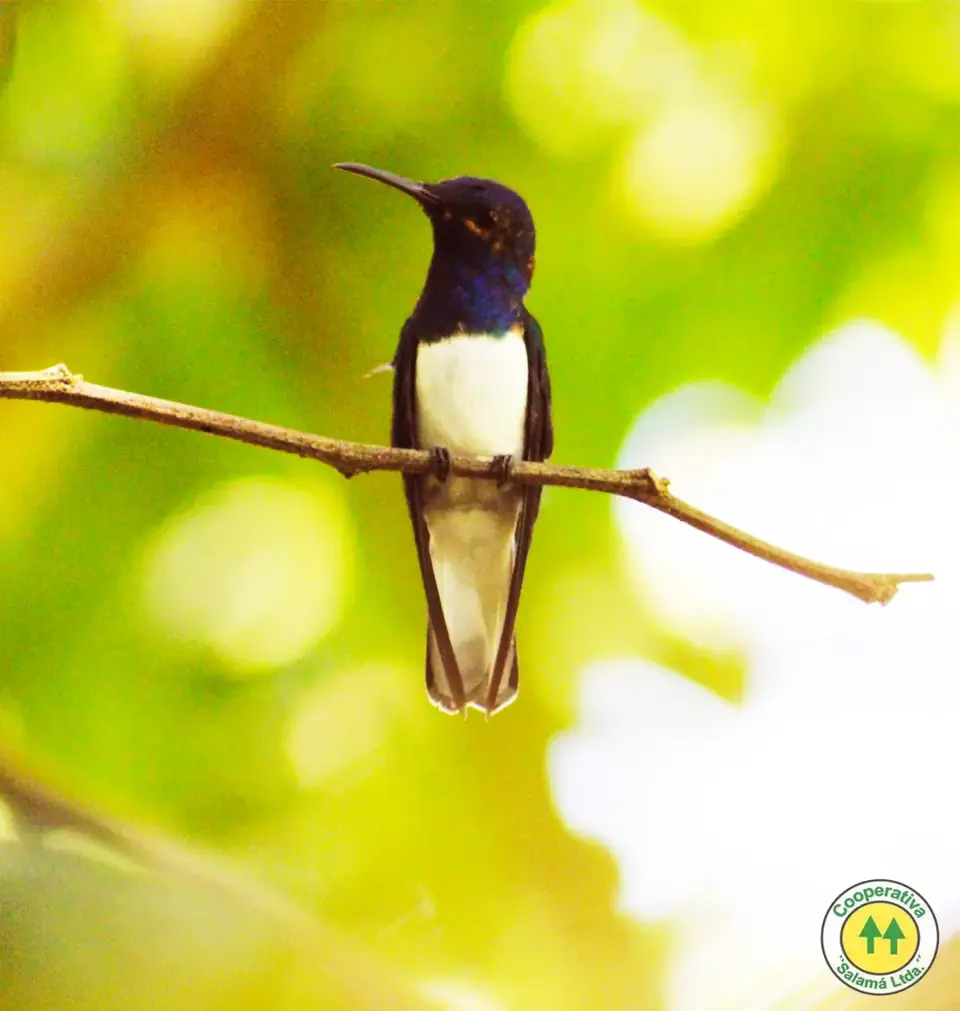
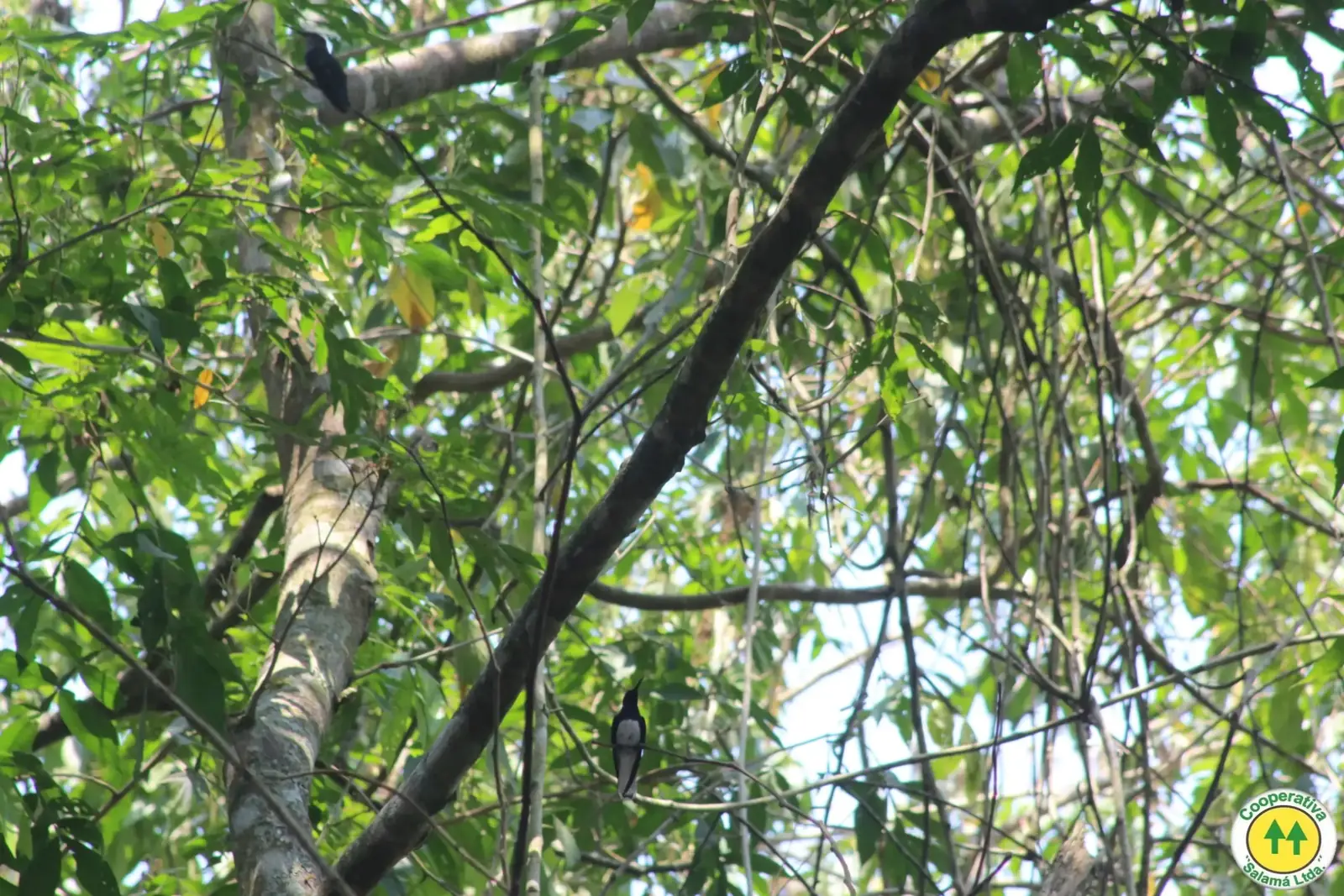
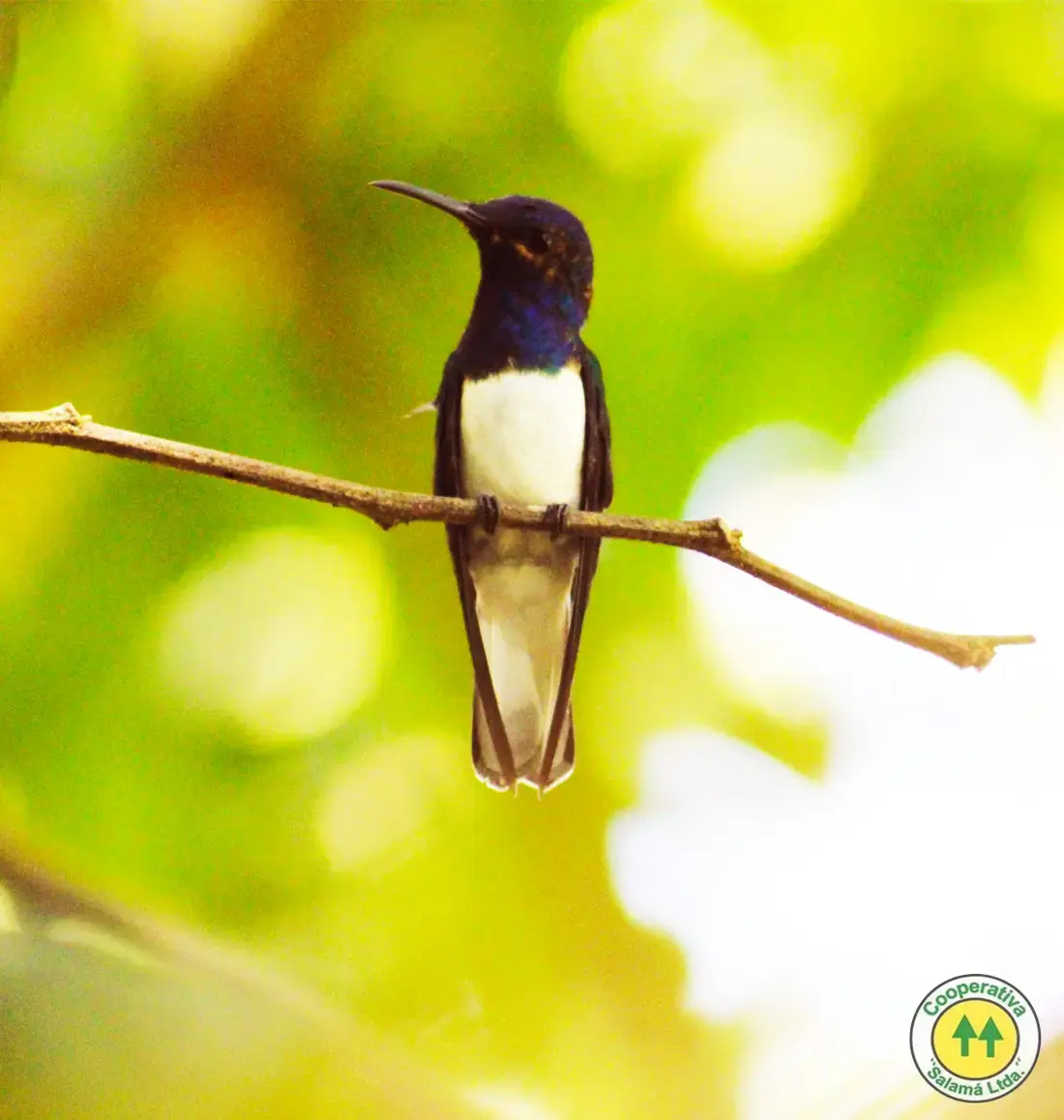
Florisuga mellivorawhite-necked jacobin 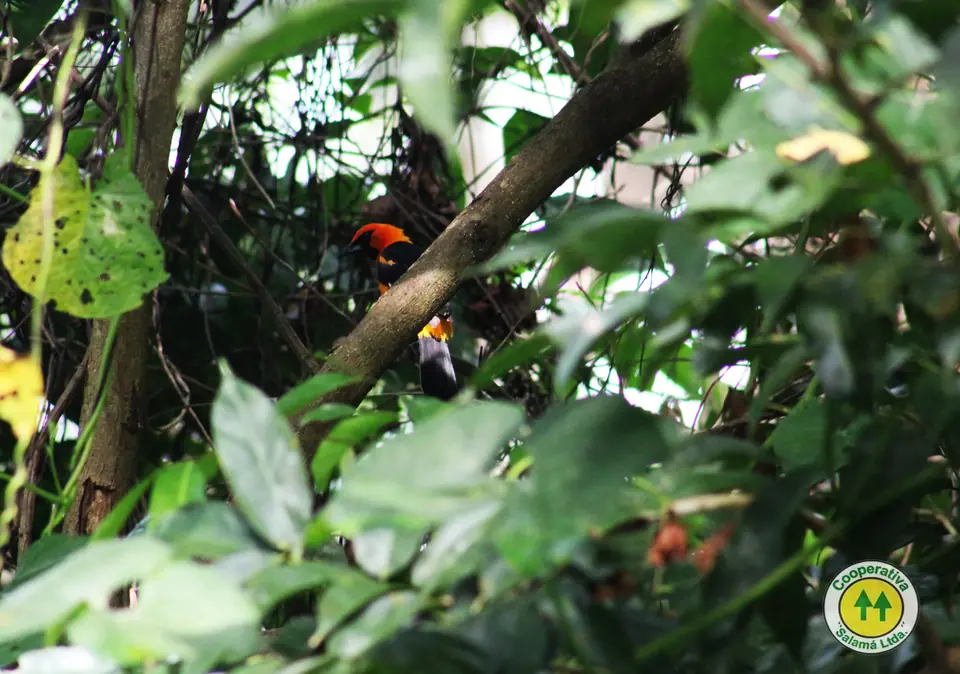
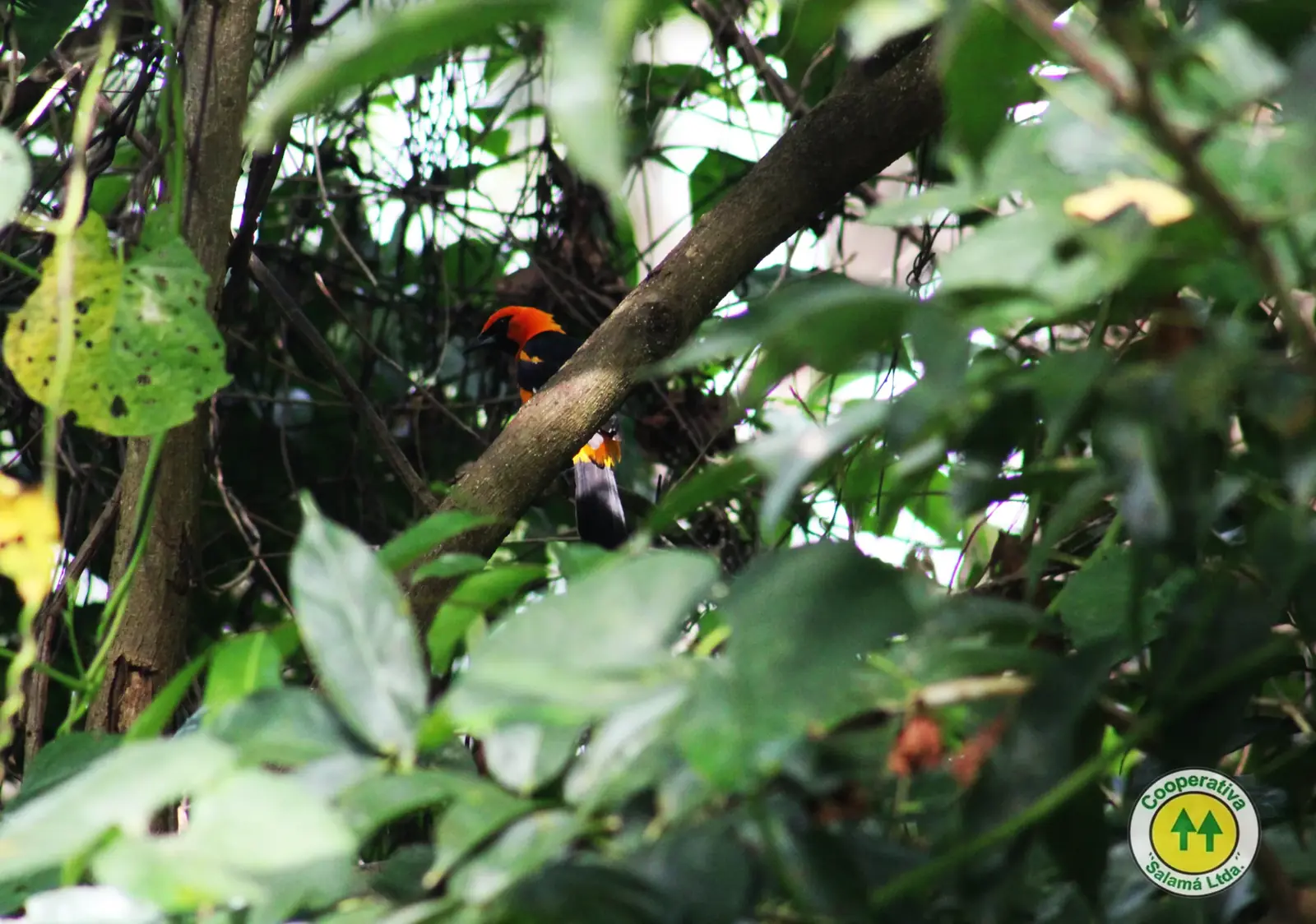
Icterus gularisAltamira oriole 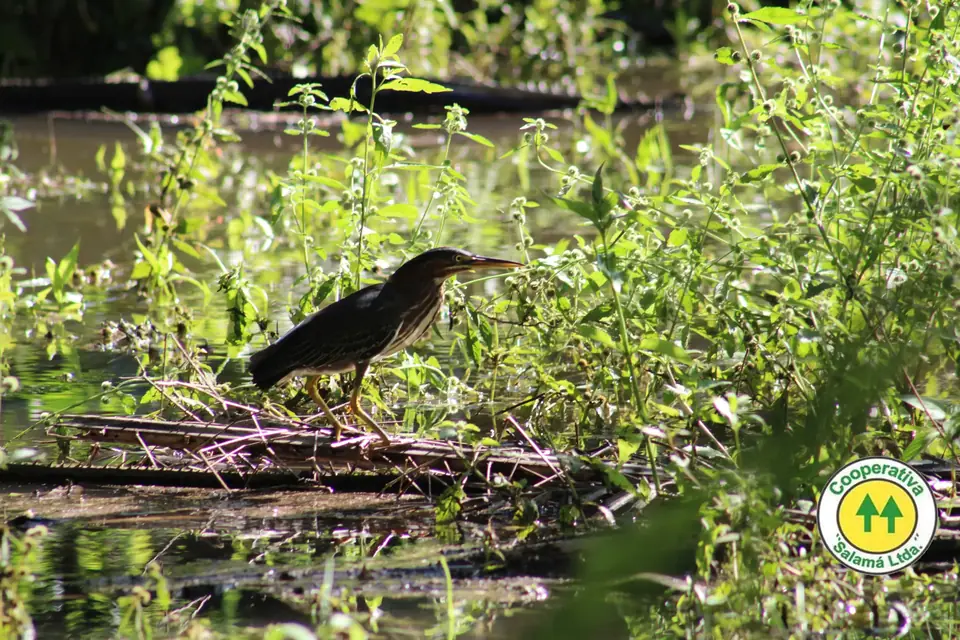
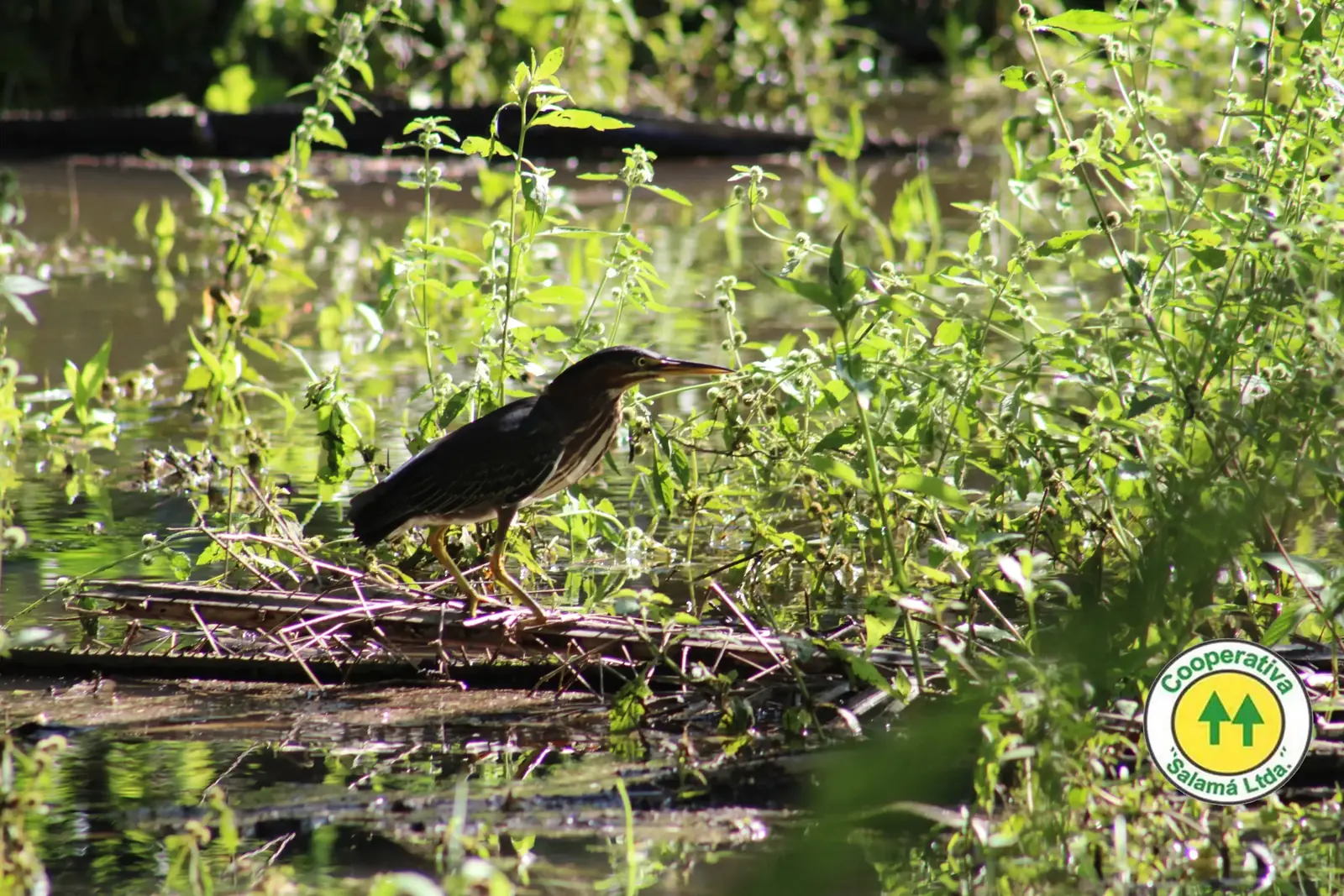
Butorides virescensgreen heron 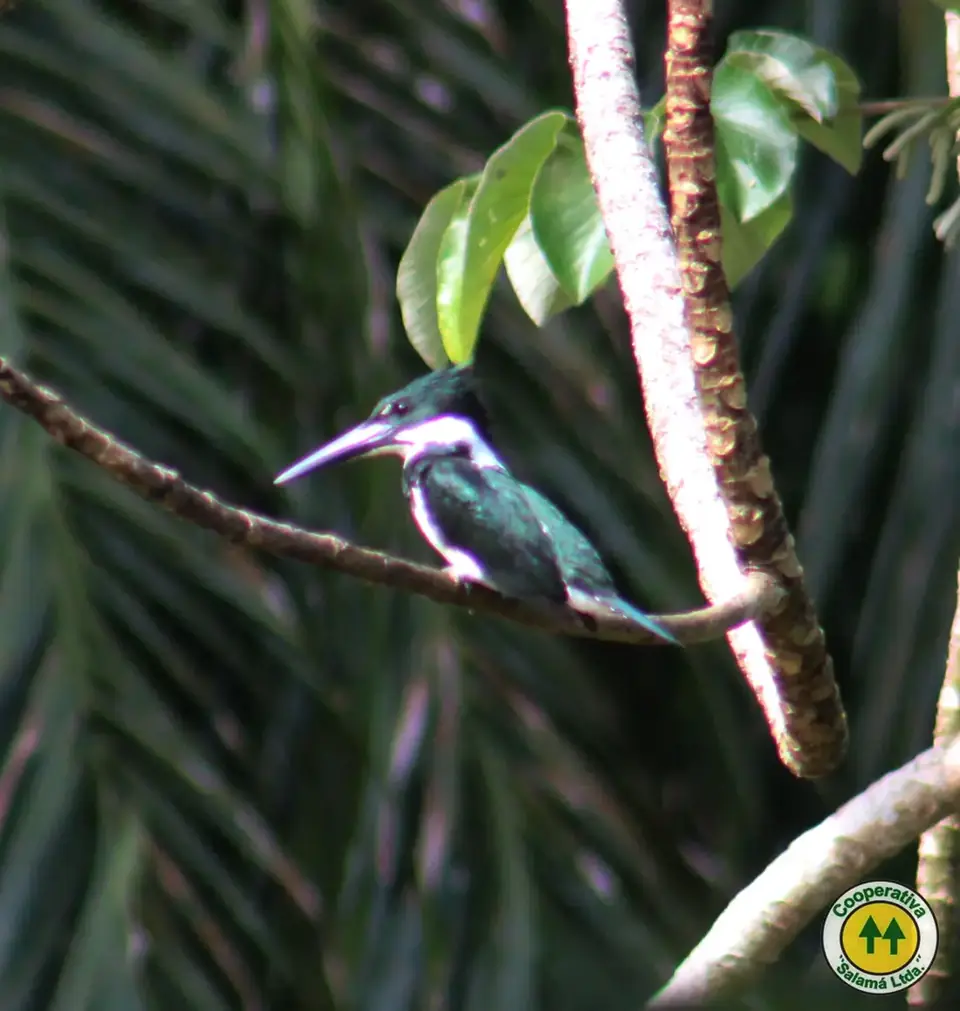
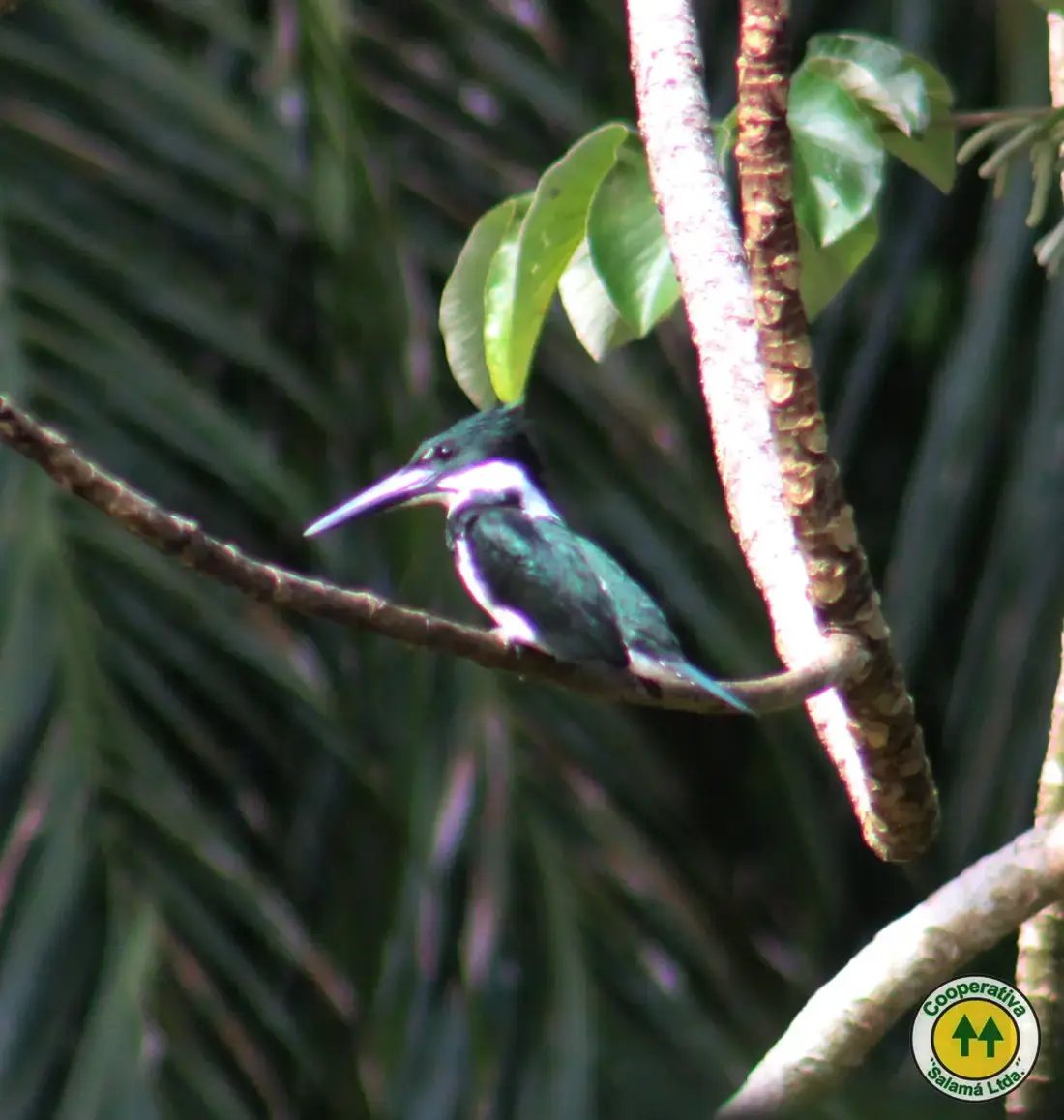
Chloroceryle amazonaAmazon kingfisher 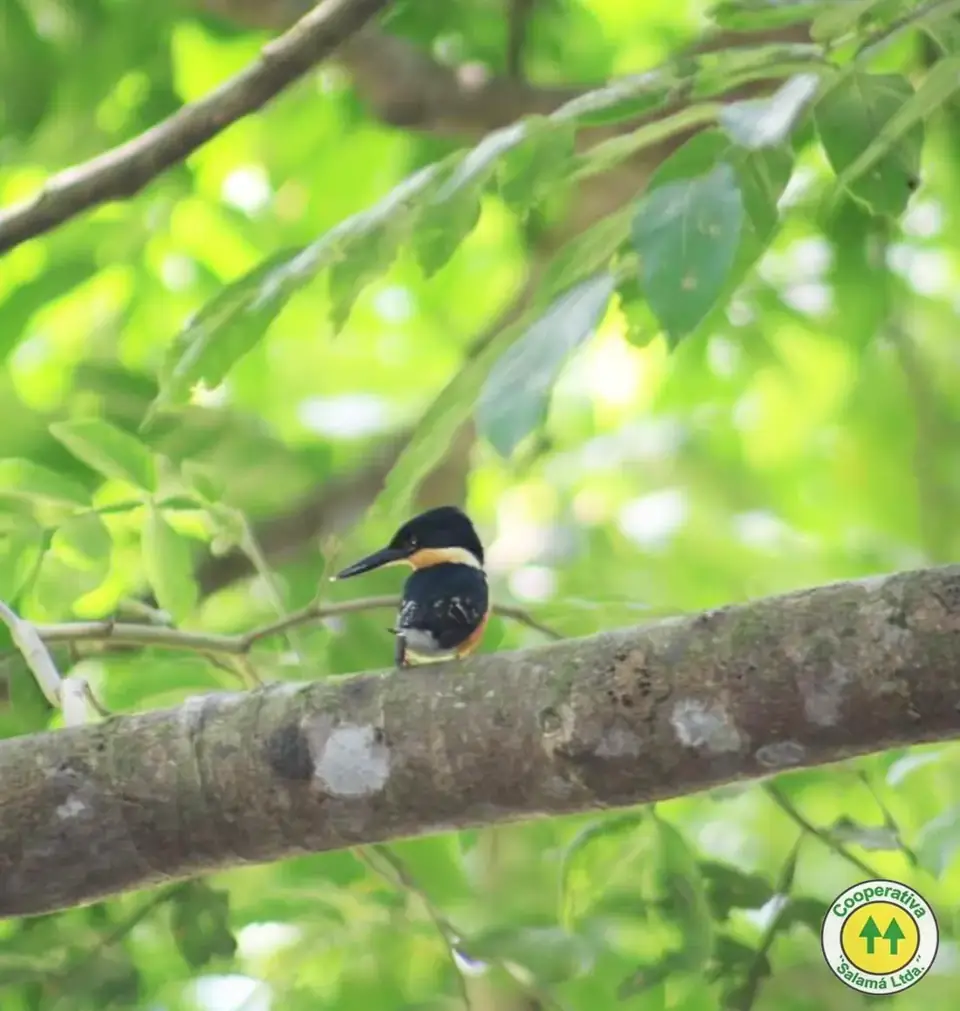
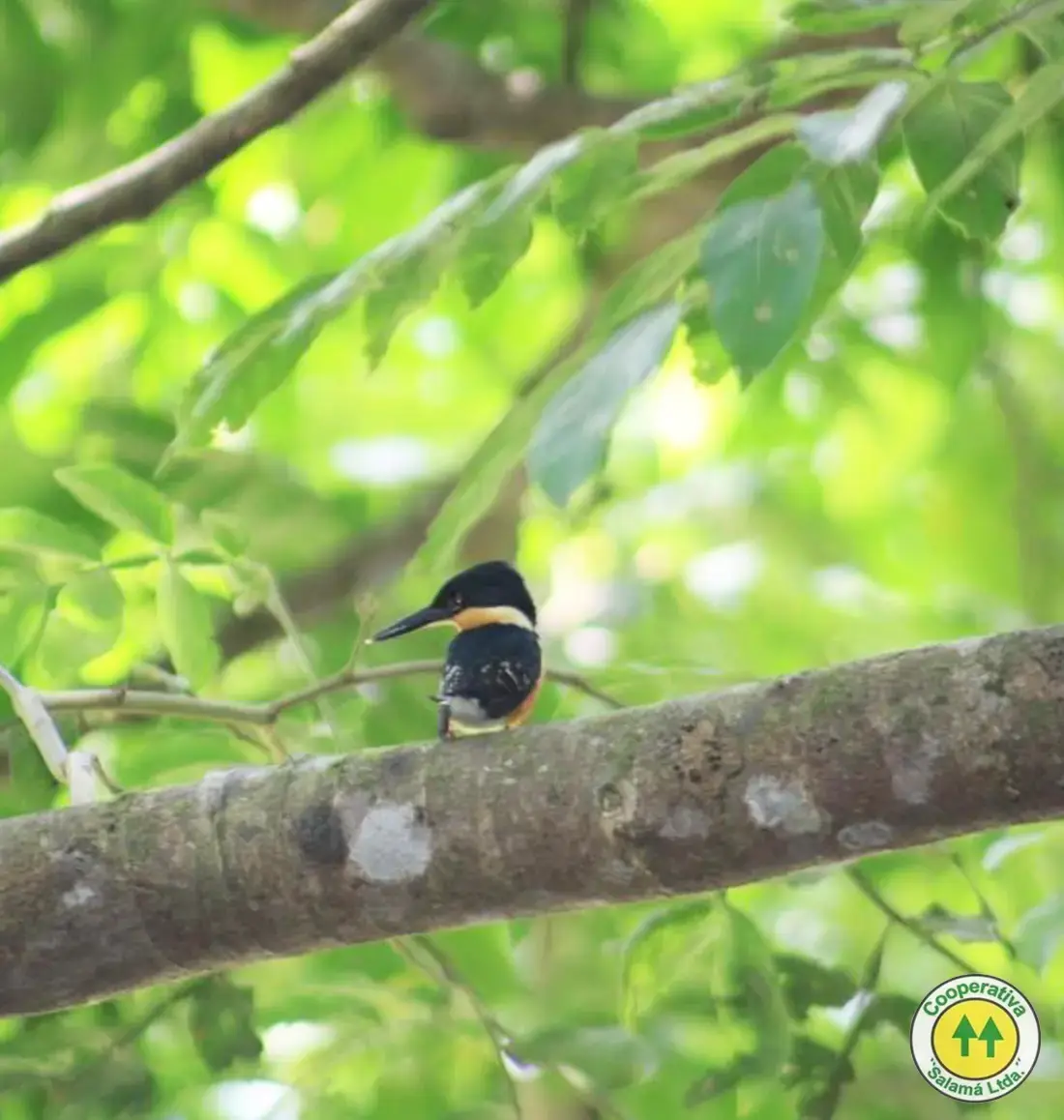
Chloroceryle aeneaAmerican pygmy kingfisher 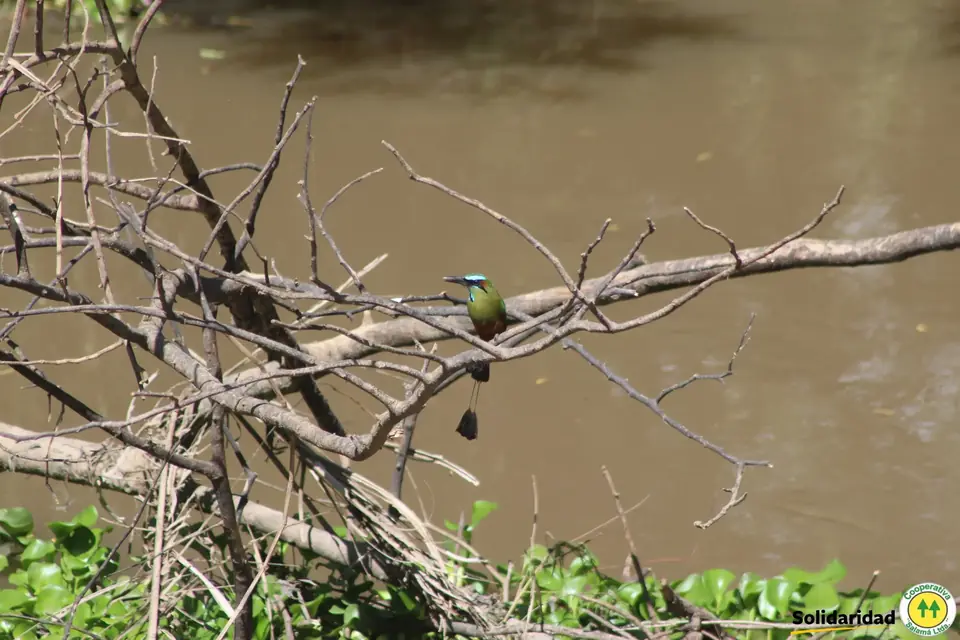
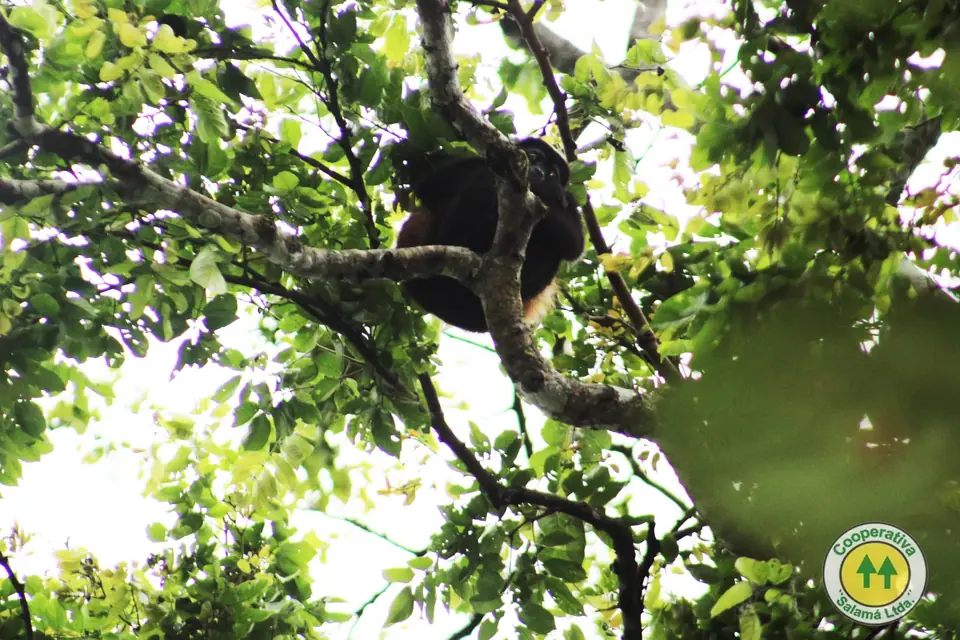
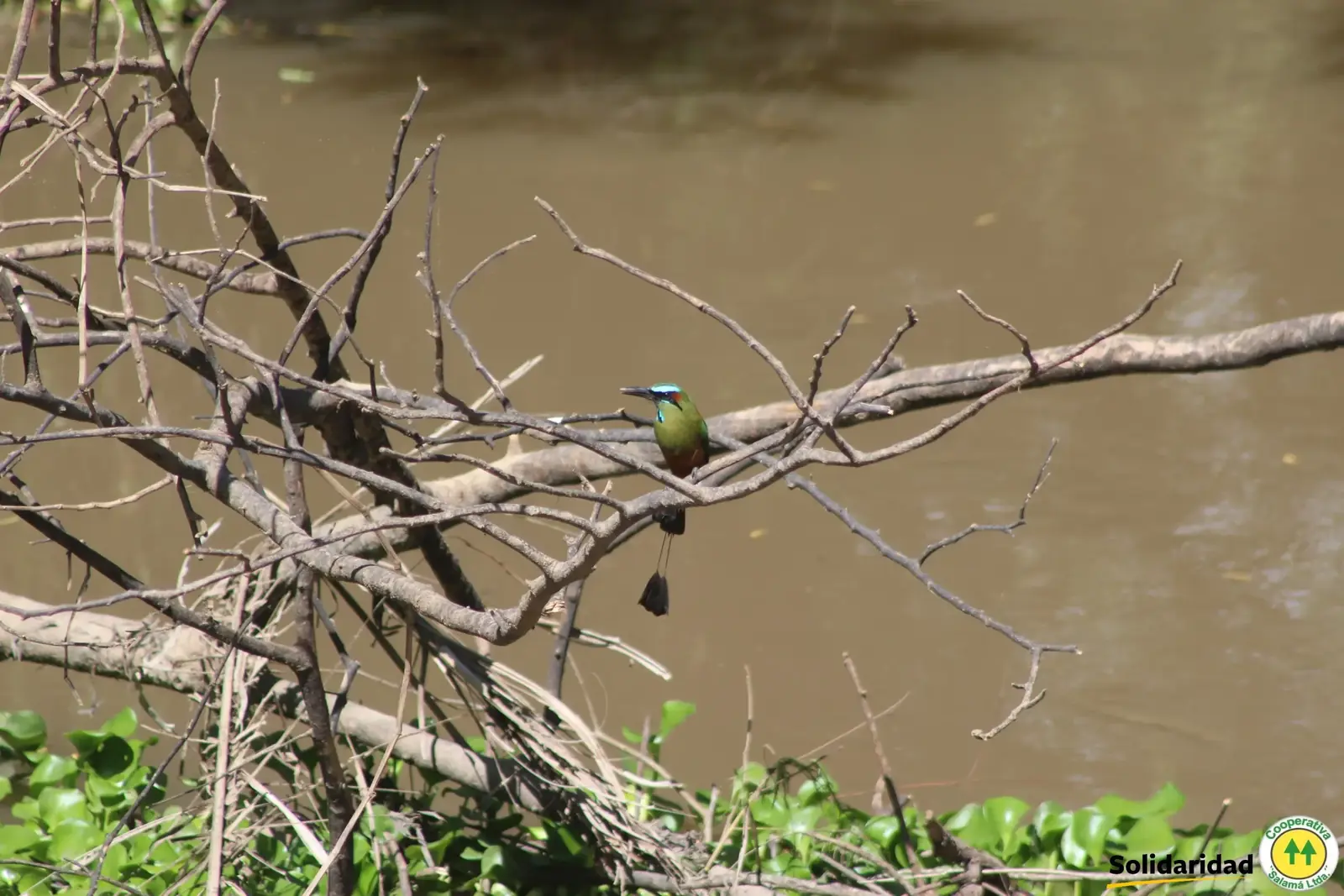
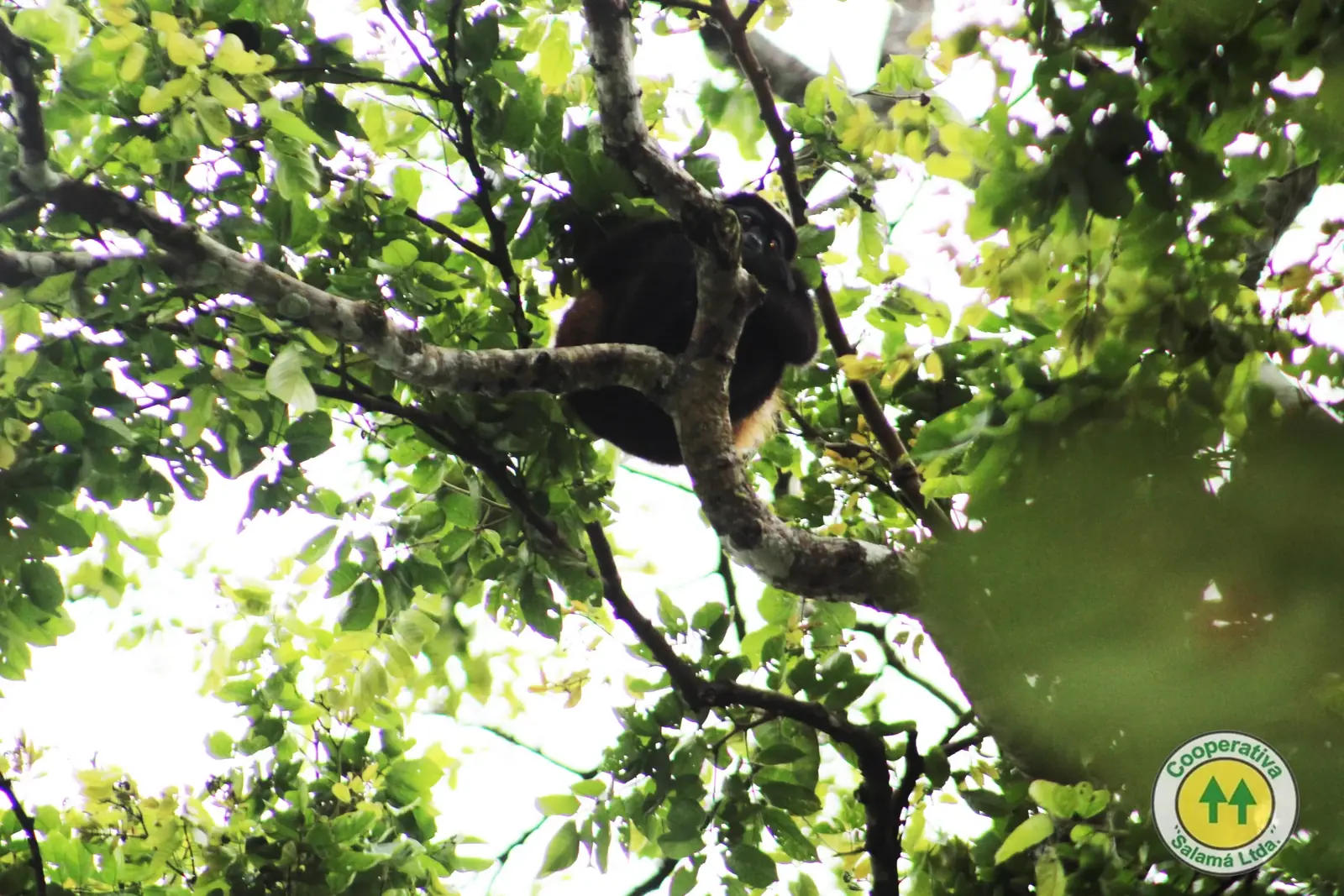
Eumomota superciliosaturquoise-browed motmot Alouatta palliatamantled howler monkey 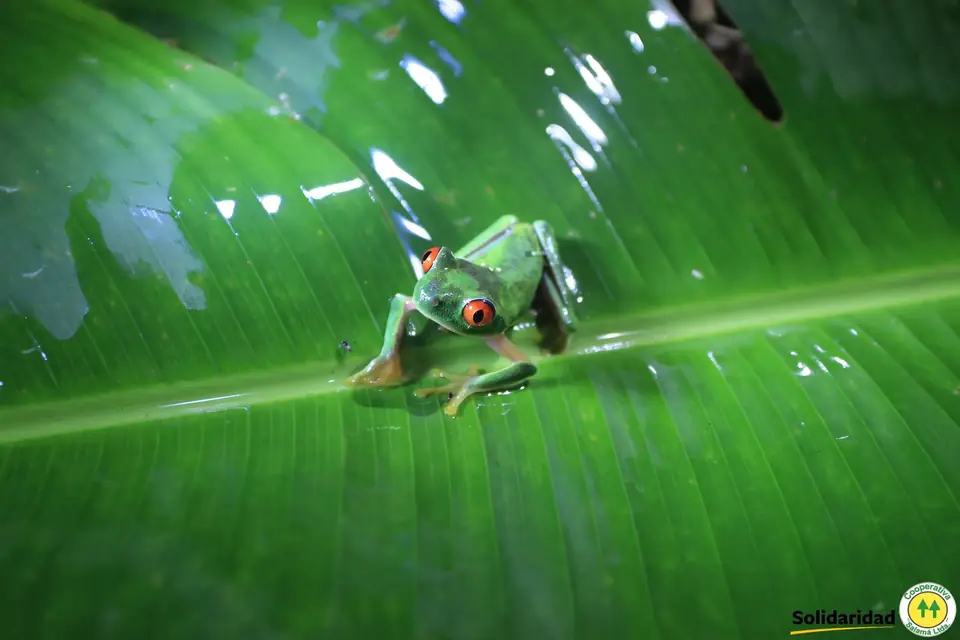
Agalychnis callidryasred-eyed tree frog 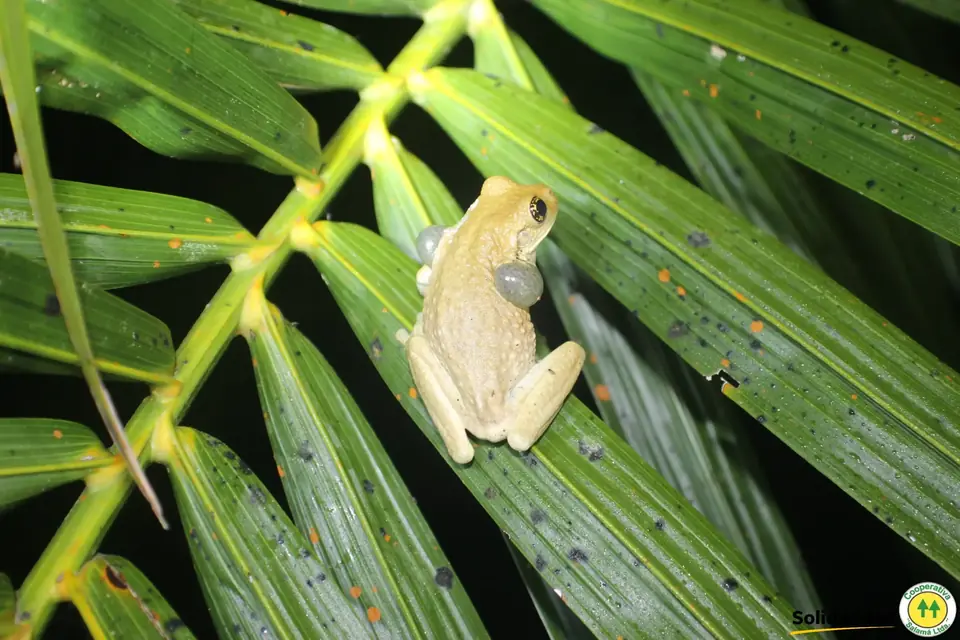
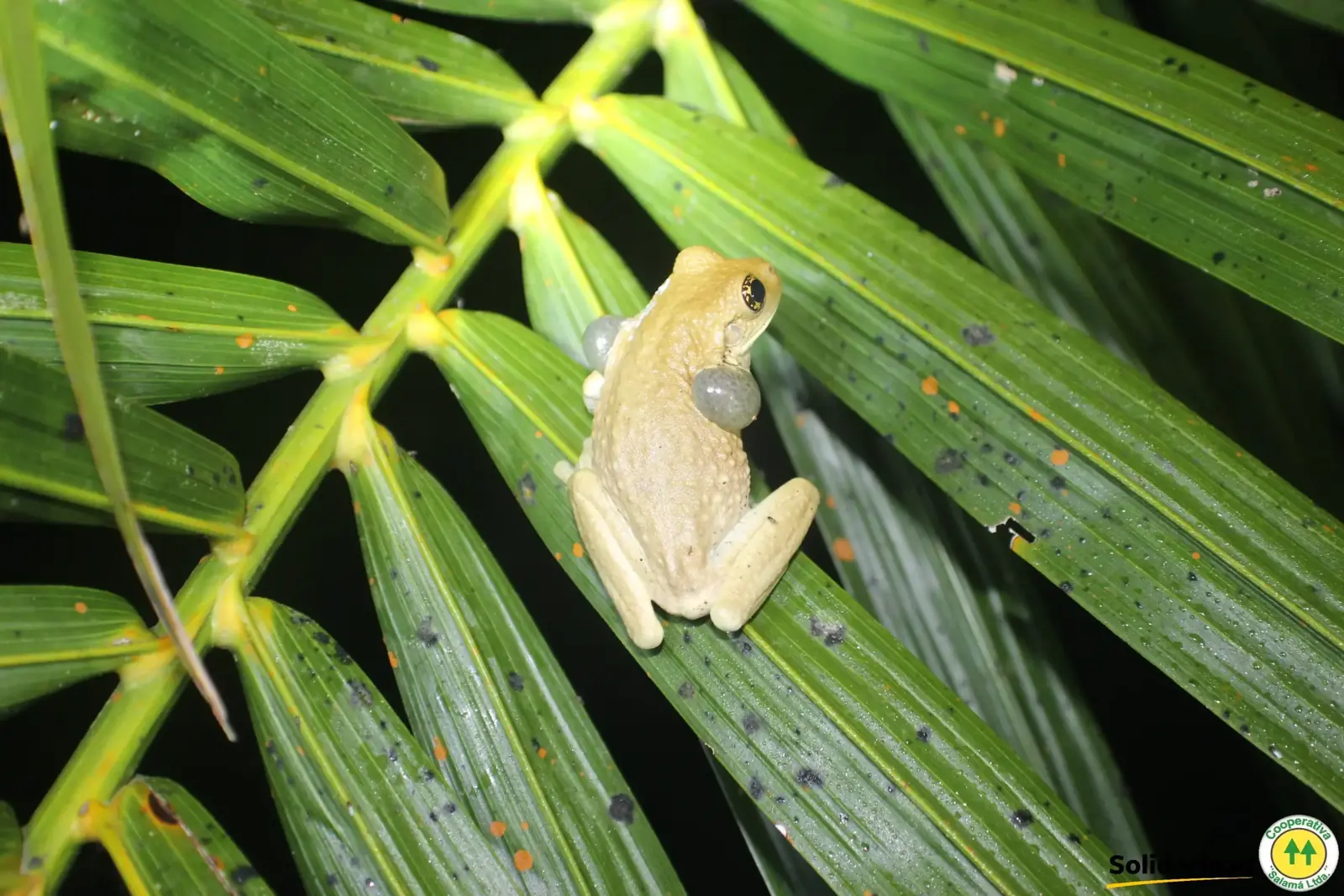
Trachycephalus typhoniusmilk frog 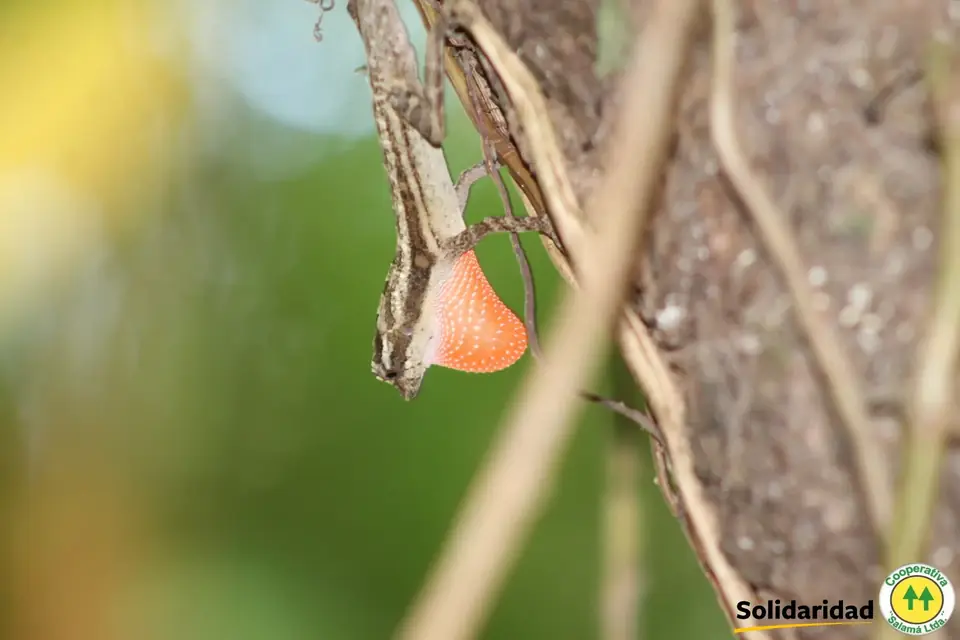
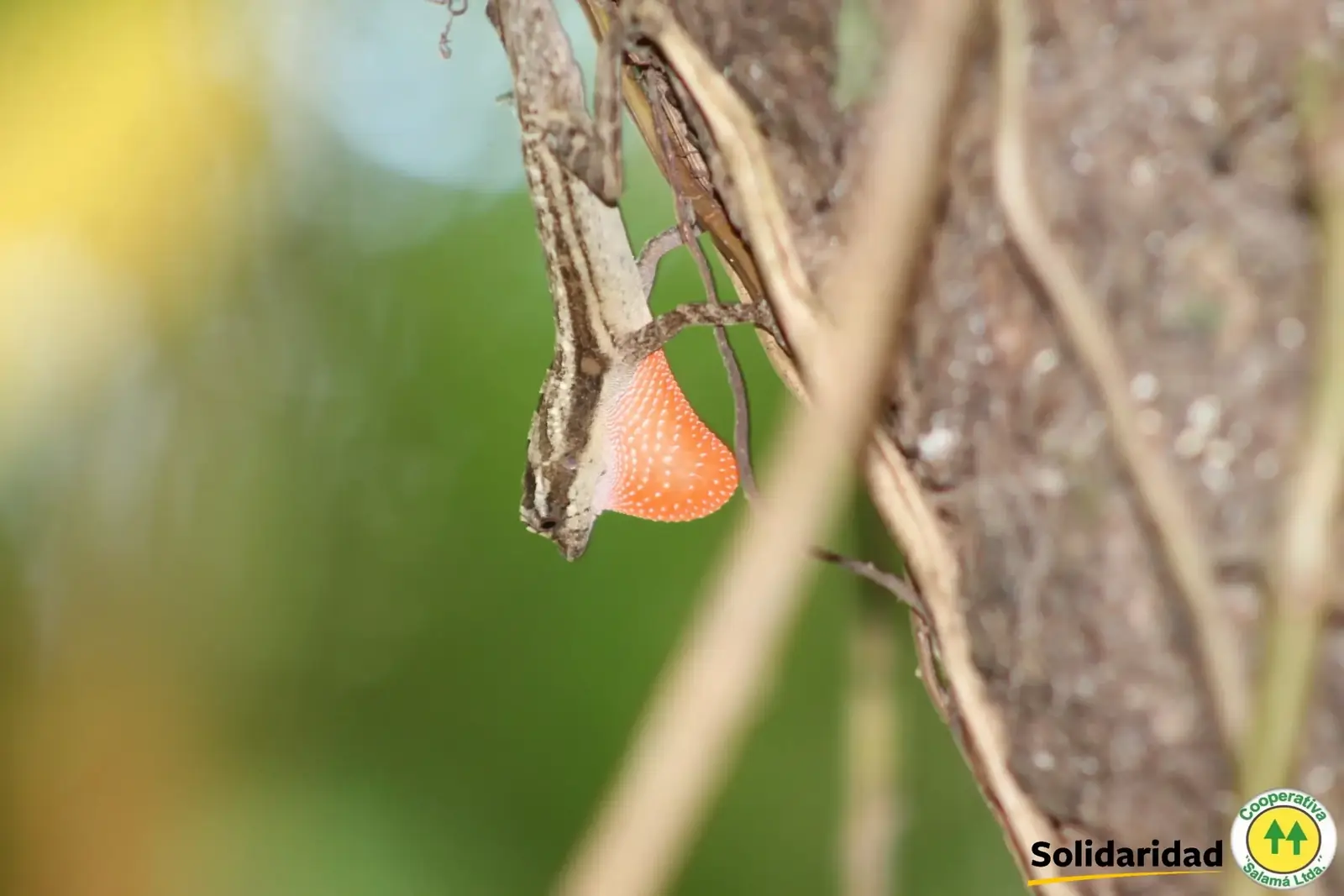
Anolis lemurinusghost anole 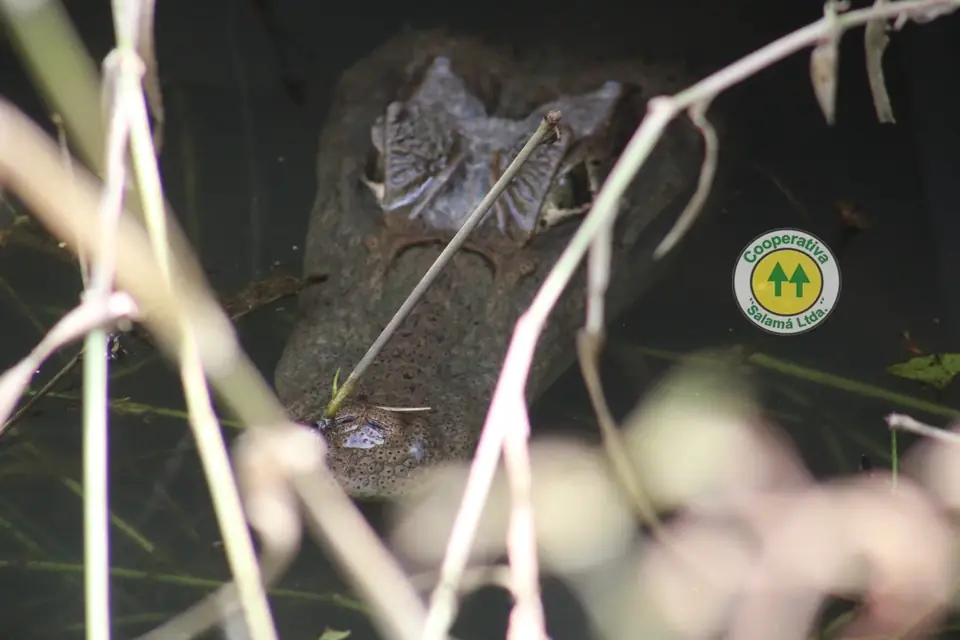
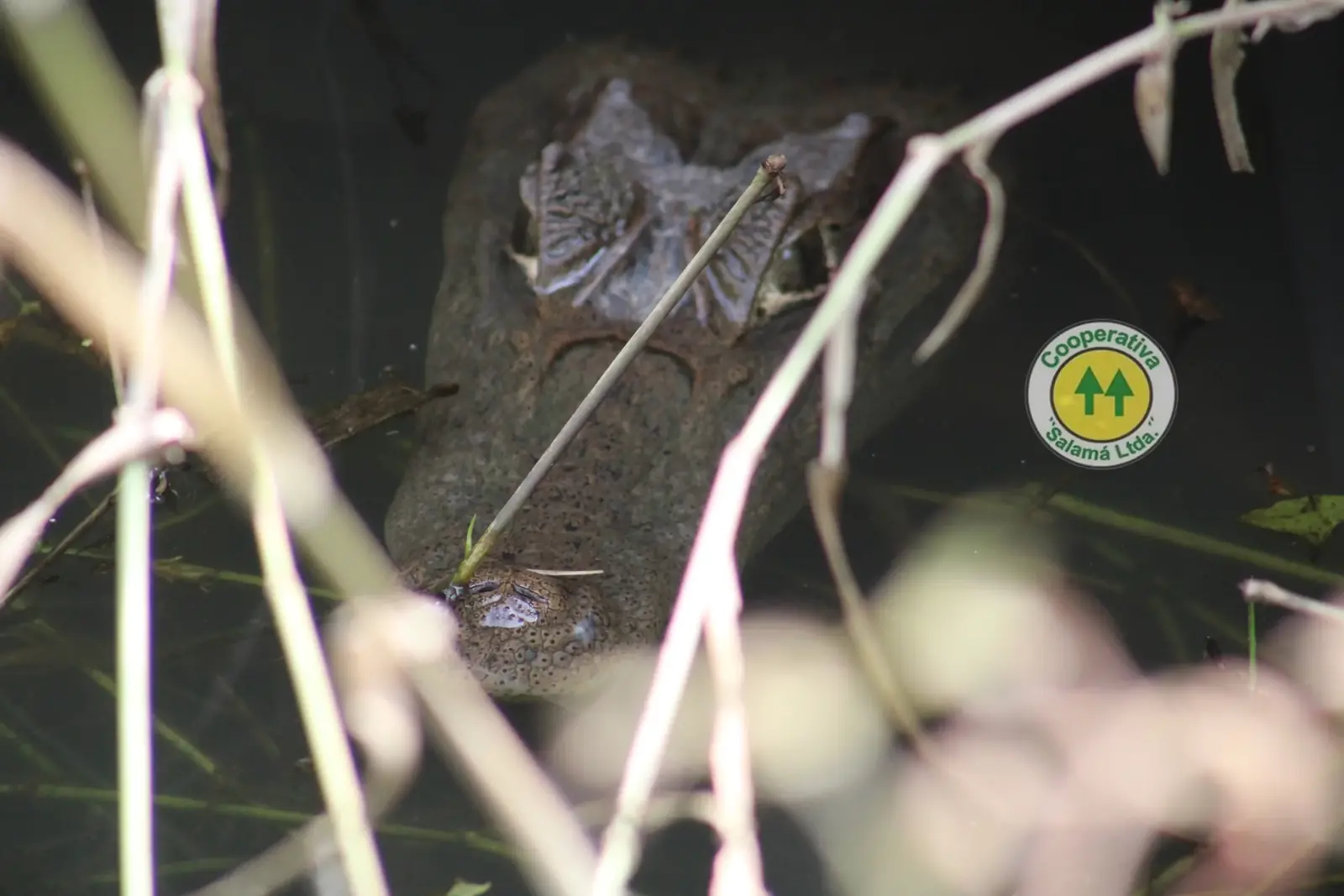
Caiman crocodilusspectacled caiman, female 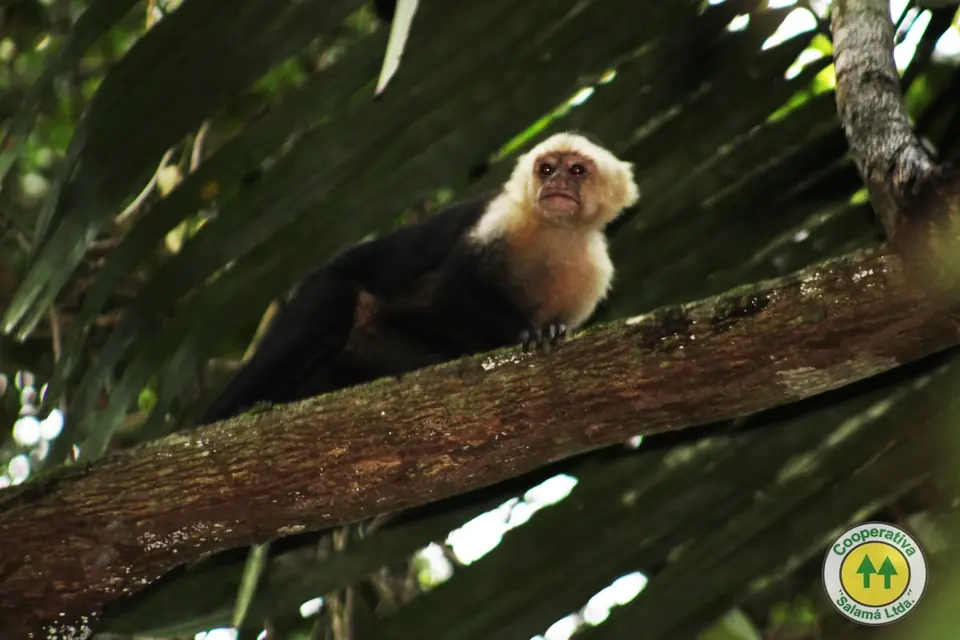
Cebus capucinuswhite-faced capuchin 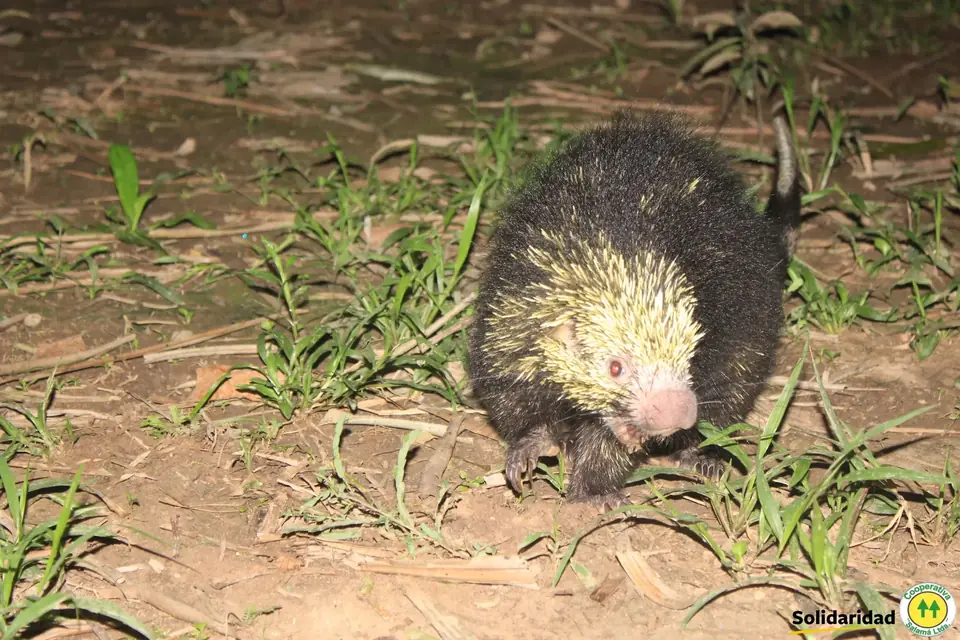
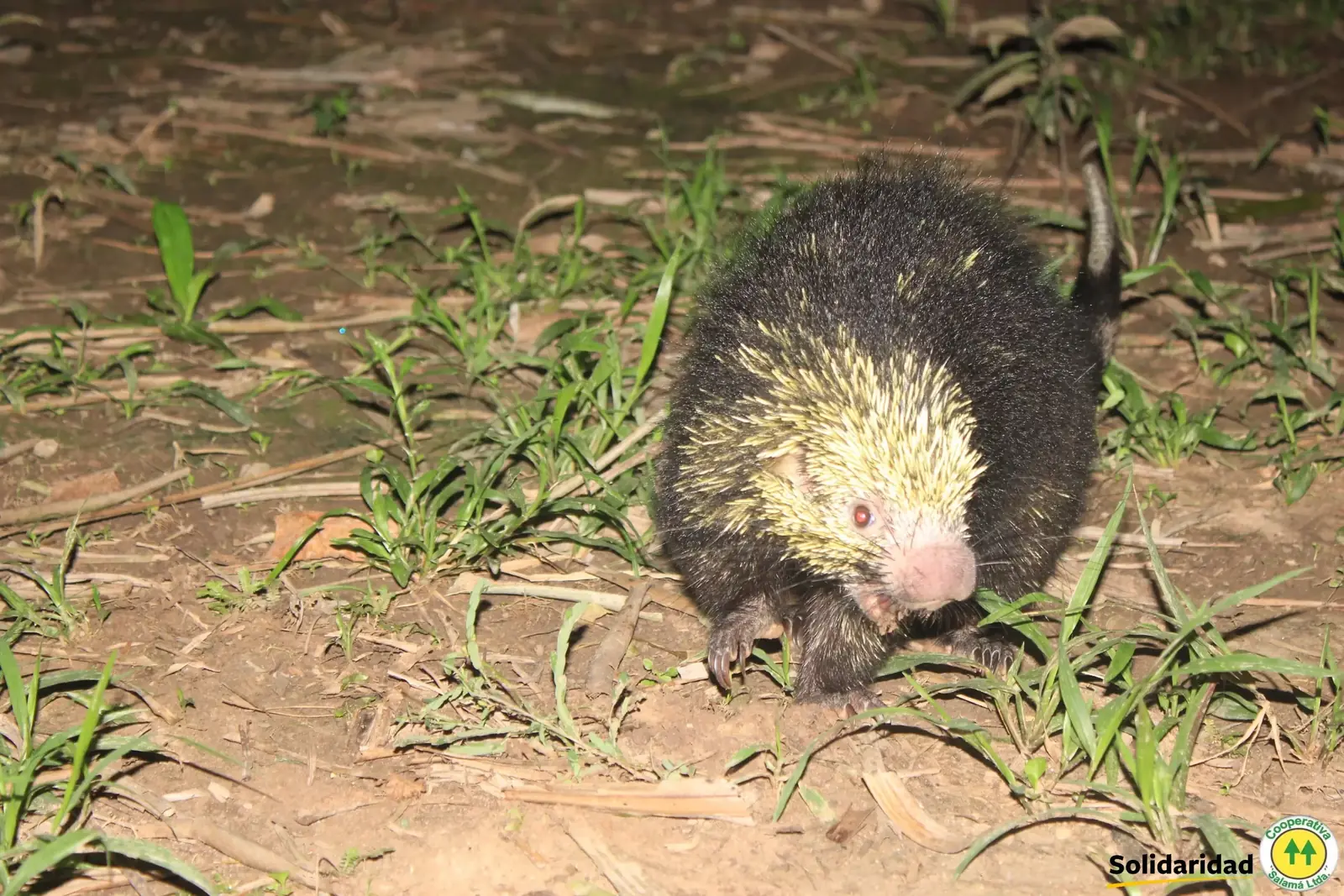
Coendou mexicanusMexican hairy porcupine 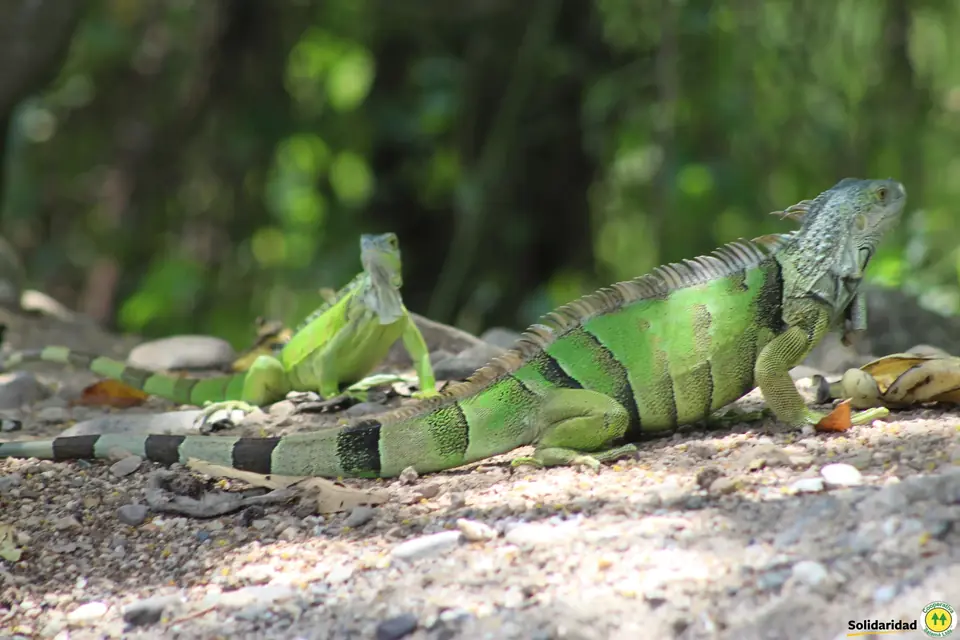
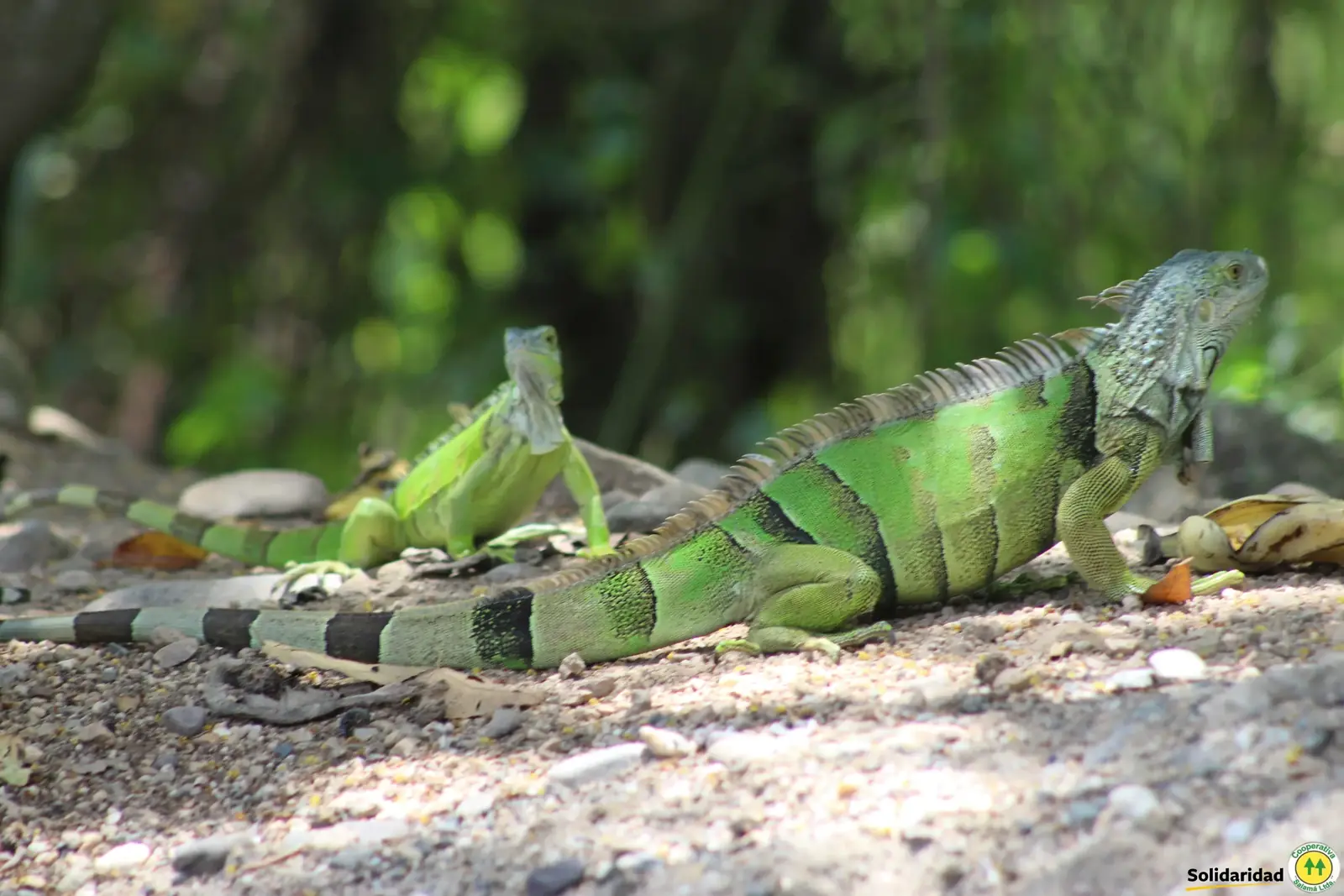
Iguana iguanagreen iguana 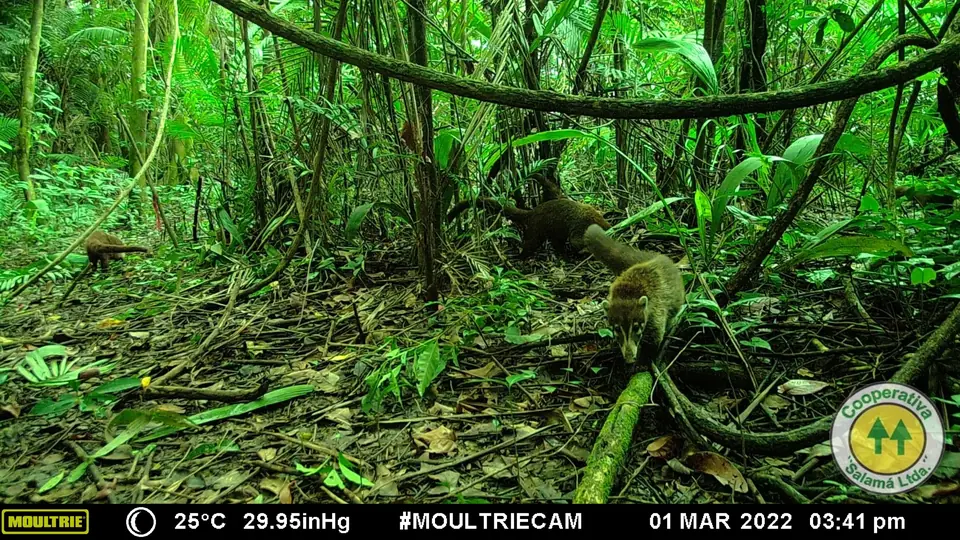
Nasua naricawhite-nosed coati 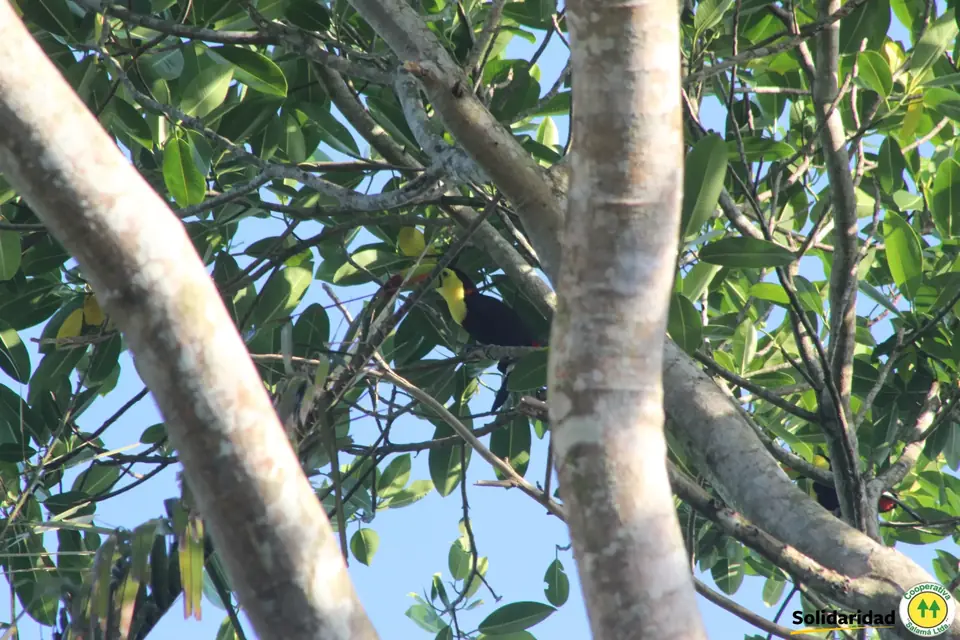
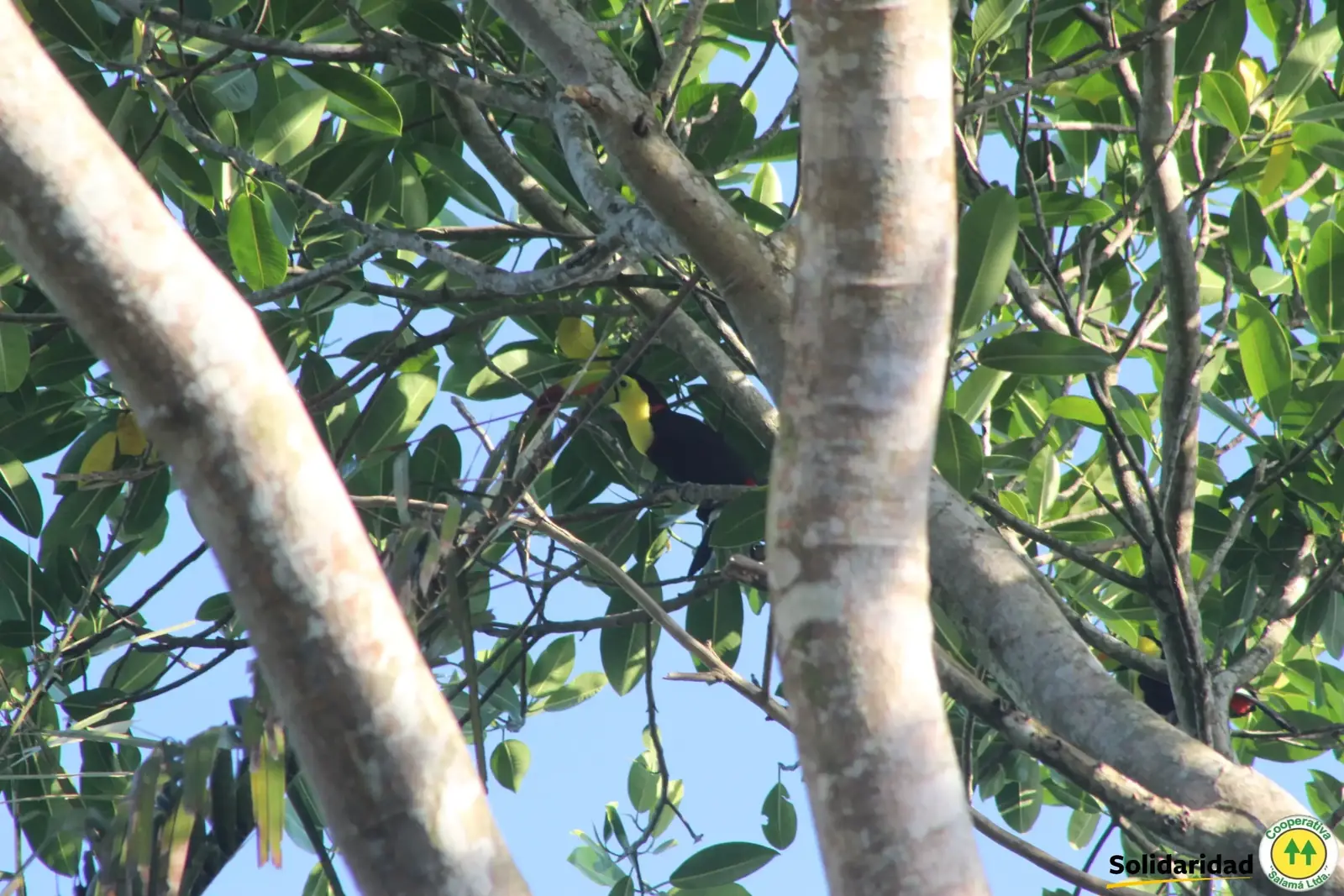
Ramphastos sulfuratuskeel-billed toucan 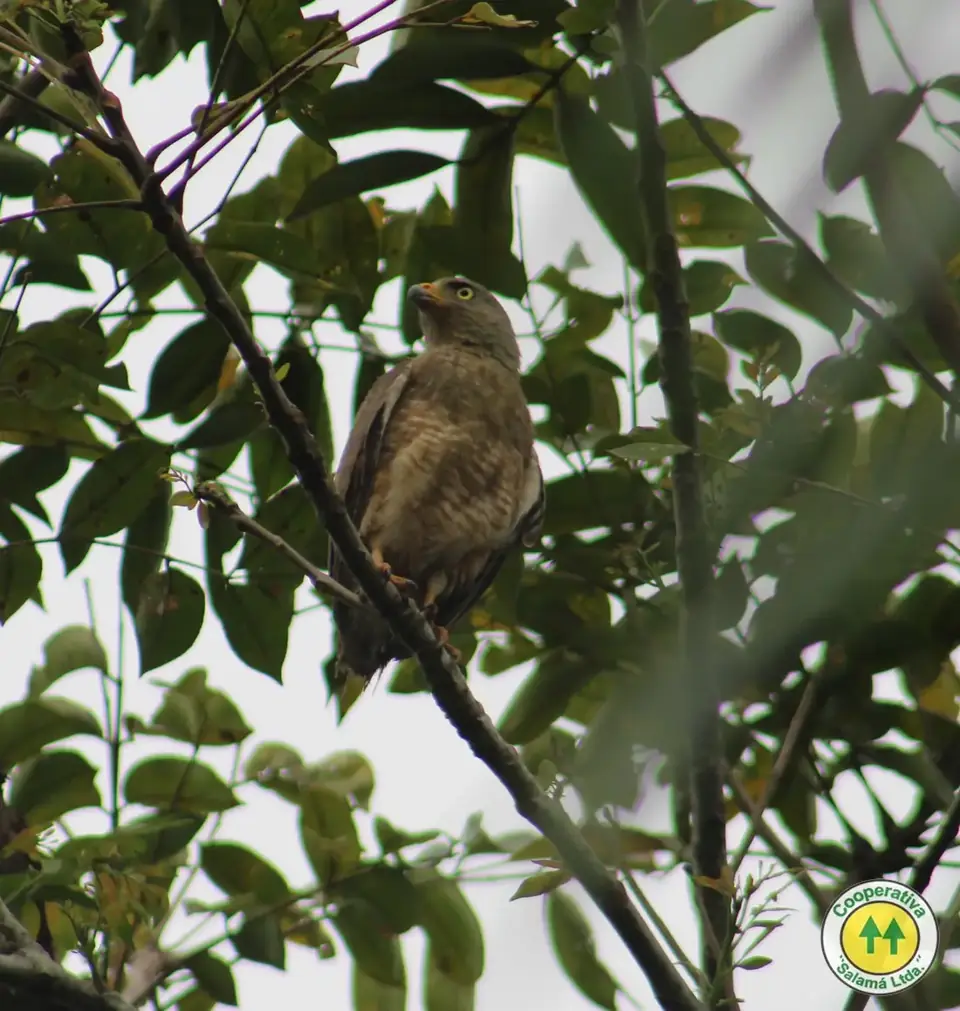
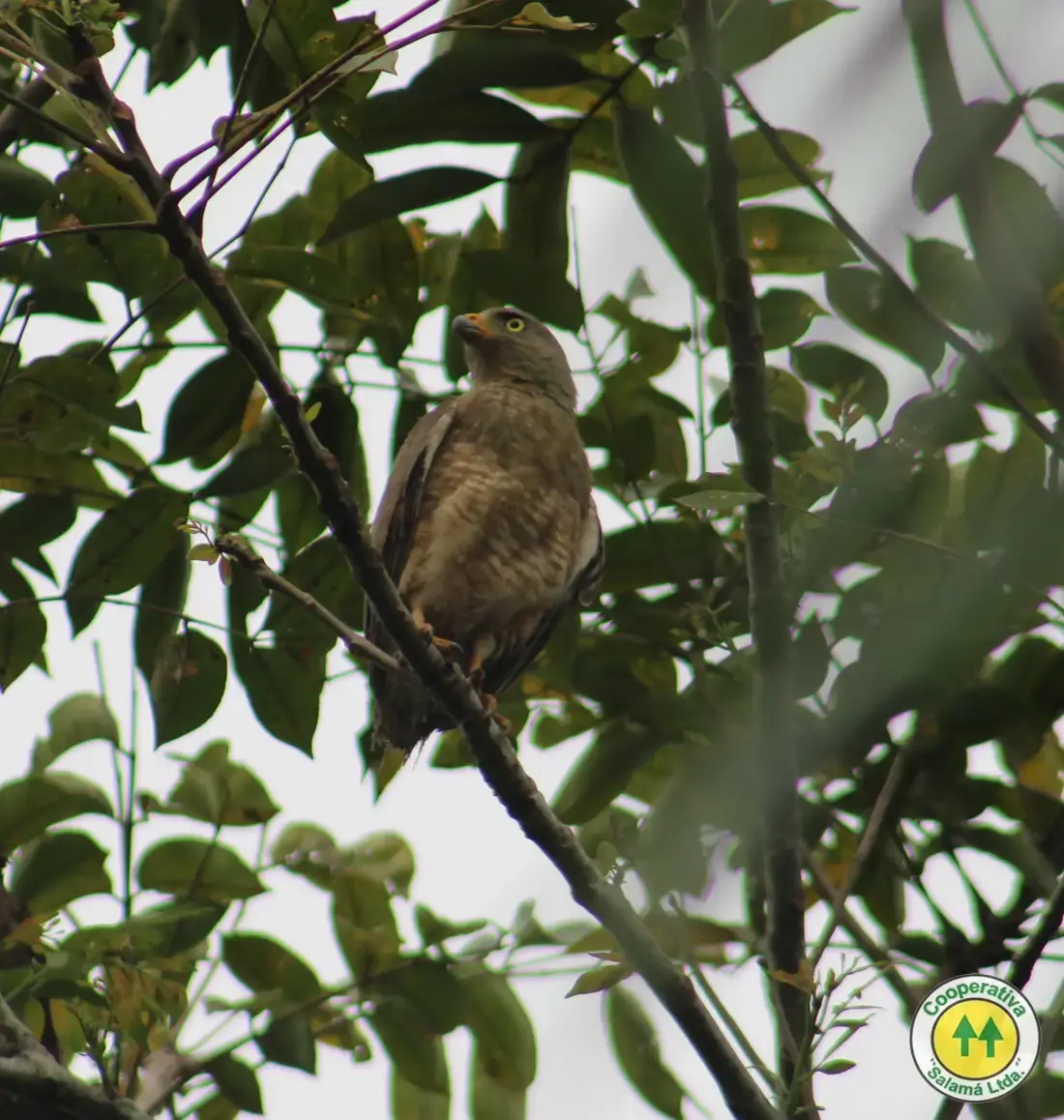
Rupornis magnirostrisroadside hawk 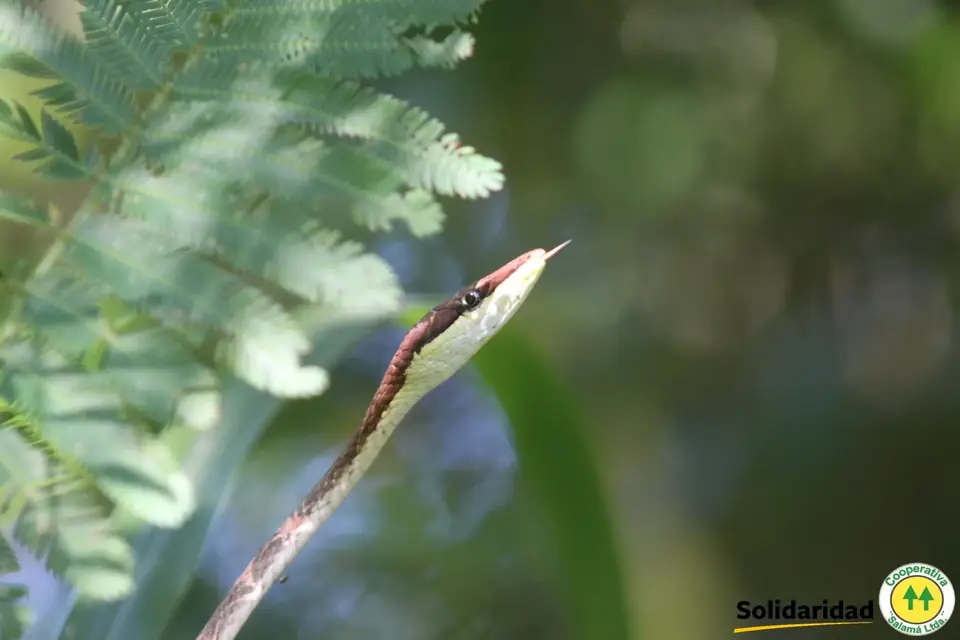
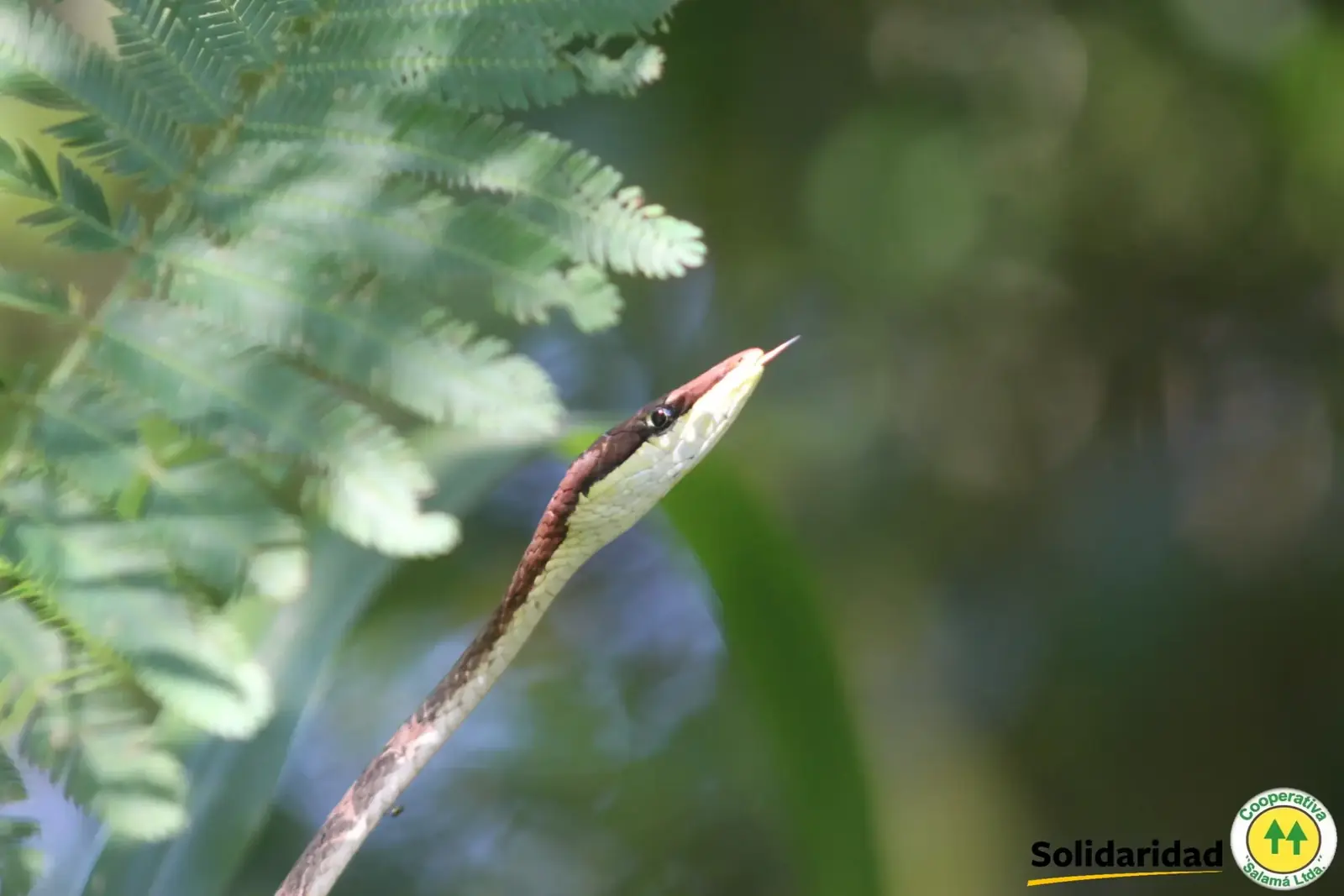
Oxybelis aeneusbrown vine snake 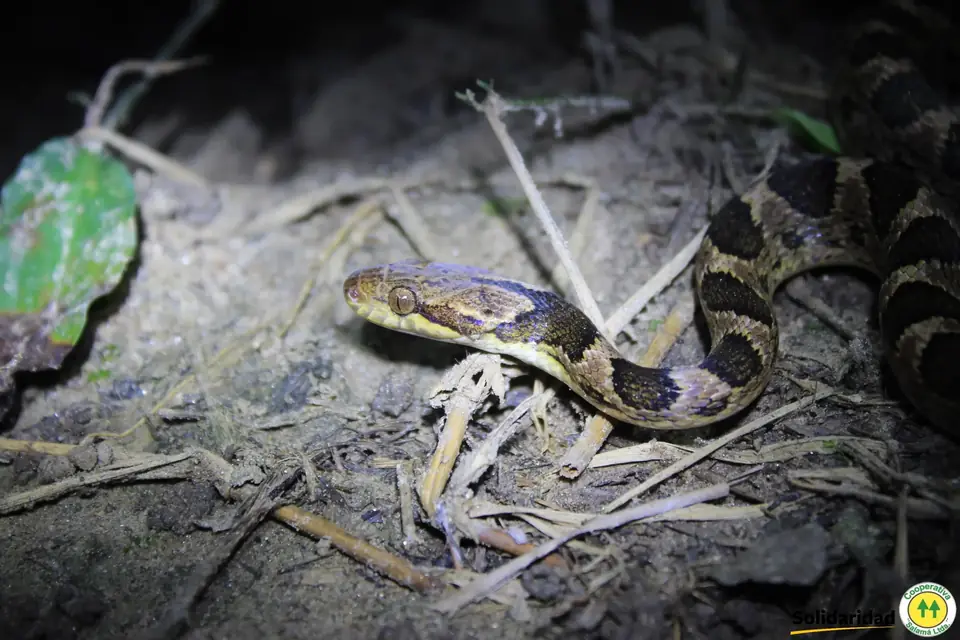
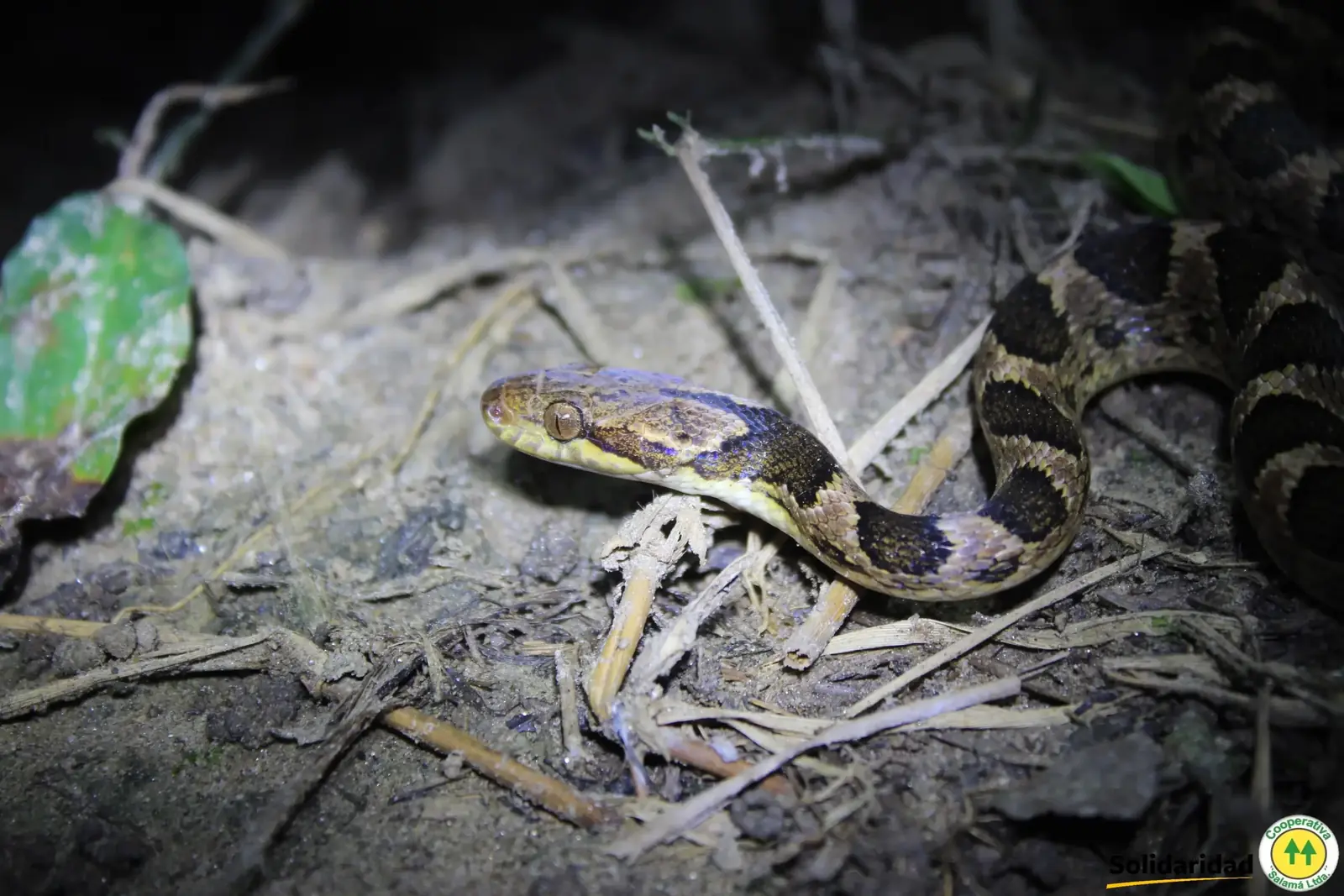
Leptodeira rhombiferacat-eyed snake 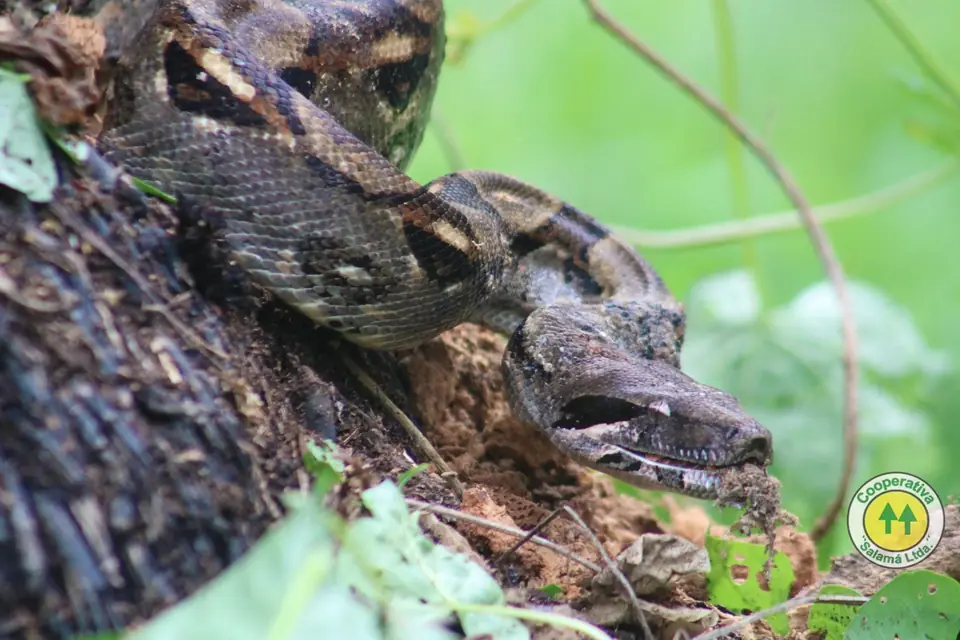
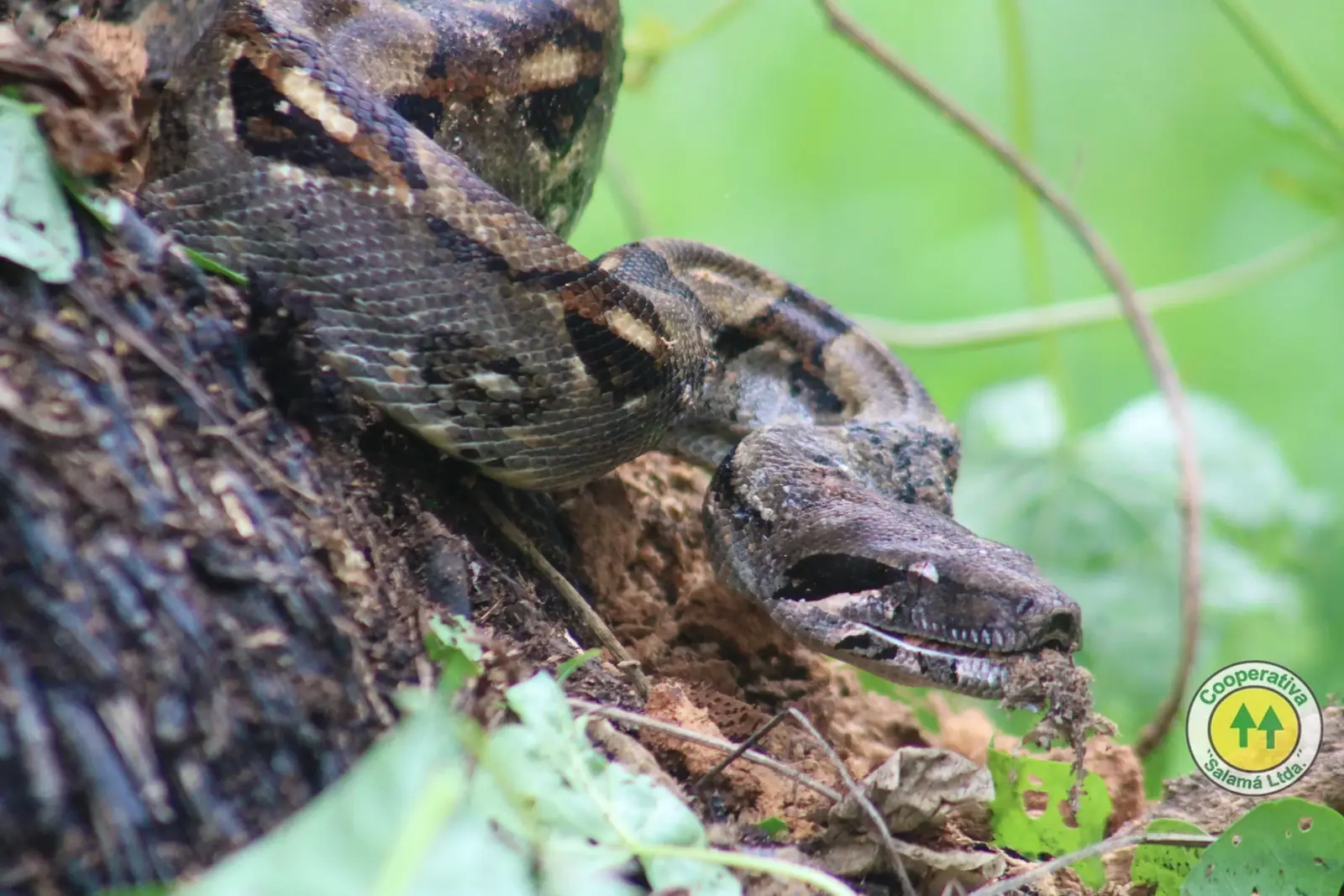
Boa 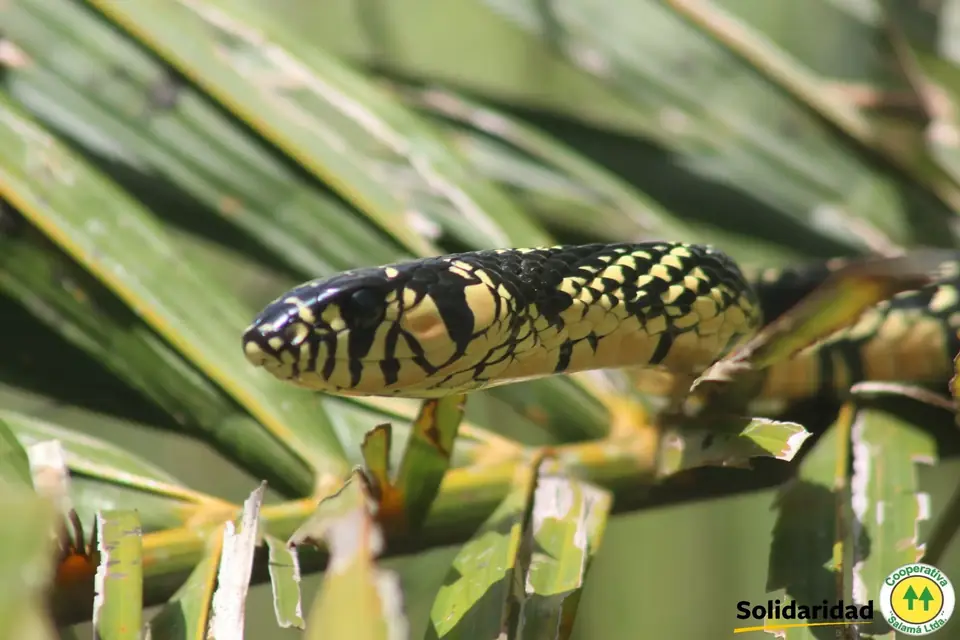
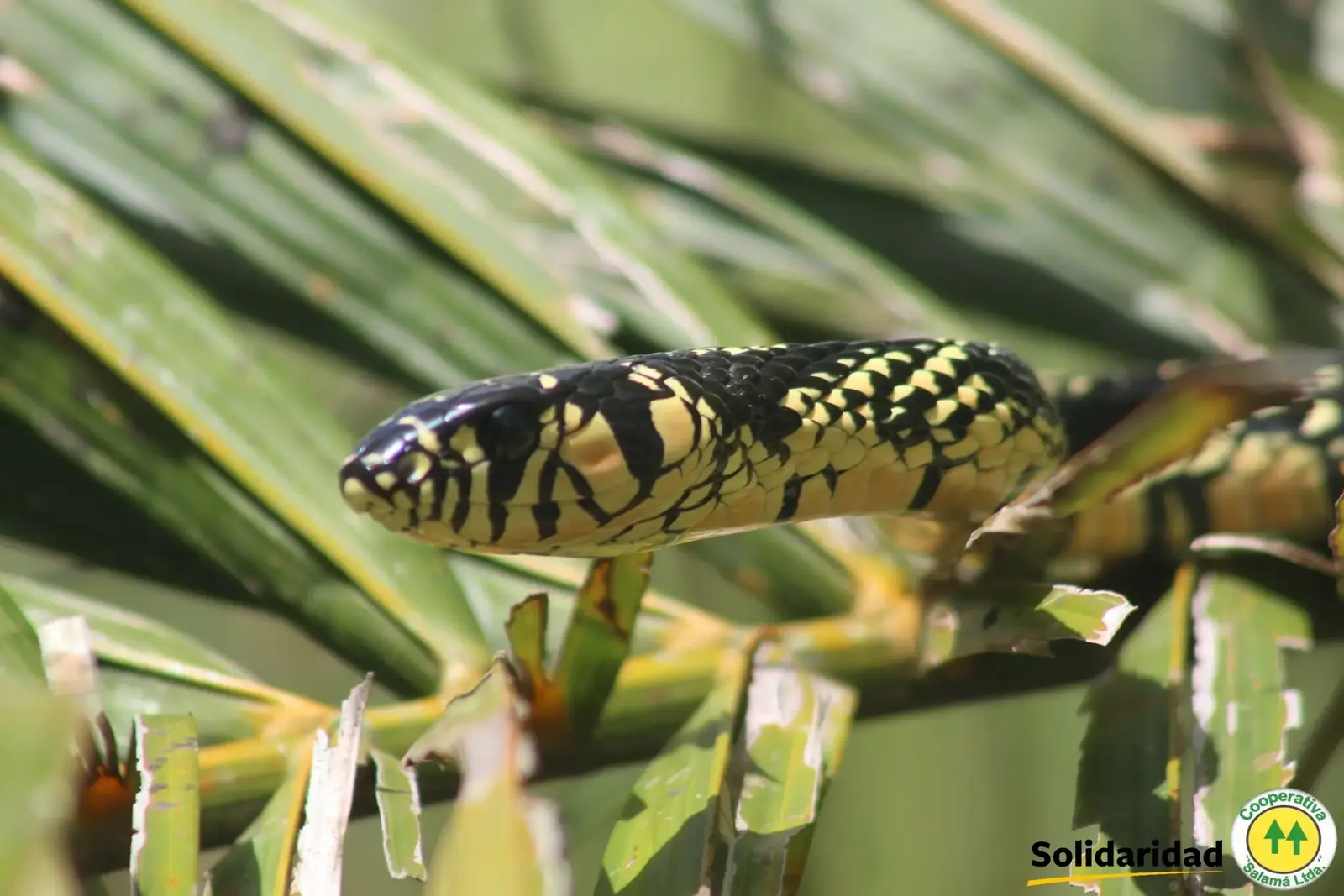
Spilotes pullatustiger rat snake
Habitats
Broadleaf and savanna forest fragments, streams and their riverside vegetation are home to these species. The larger, better-preserved fragments host a greater richness of mammals.
Fauna monitoring recorded the Mexican burrowing toad (Rhinophrynus dorsalis), a species not officially reported for the Colón area. The cooperative therefore considers it important to continue monitoring and to publish these data as a contribution to research.
Camera-trap videos
Published by the cooperative on YouTube.
Leopardus pardalis
Monitoring video: ocelot
Leopardus pardalis
Monitoring video: ocelot
Leopardus pardalis
Monitoring video: ocelot
Herpailurus yagouaroundi
Monitoring video: jaguarundi
Herpailurus yagouaroundi
Monitoring video: jaguarundi
Nasua narica
Monitoring video: white-nosed coati
Dasyprocta punctata
Monitoring video: Central American agouti
Cebus capucinus
Monitoring video: white-faced capuchin
Geranospiza caerulescens
Monitoring video: crane hawk
Geranospiza caerulescens
Monitoring video: crane hawk