RSPO overview and environmental management
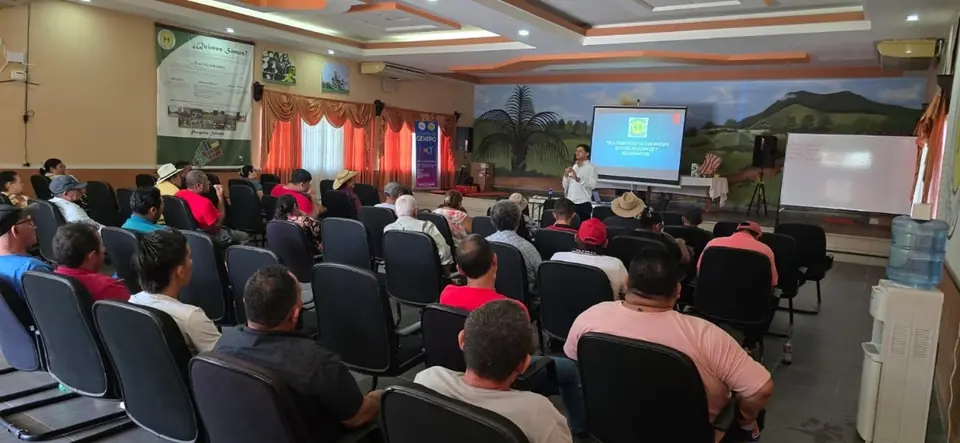
A comprehensive overview of the RSPO principles and how they relate to the cooperative’s environmental management: waste, water and sensitive areas.

Cooperativa Agropecuaria Salamá Ltda.
We are a farmer-owned cooperative born from the Agrarian Reform in Honduras. We grow oil palm, extract crude oil at our own mill and work alongside the communities around us.
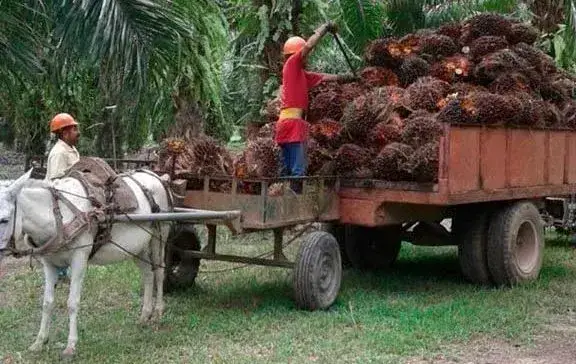
Photo: oil palm plantation on the cooperative’s farms.
Farmer roots
We obtained legal status on May 7, 1970, with the support of the Jesuit priest Jaime Prasdezaba. Since then we have been an organization of equitable benefits, governed by the Honduran Law of Cooperatives.
We produce oil palm and process crude palm oil (CPO) and palm kernel oil (PKO). On a smaller scale we raise cattle, improving the herd for dairy production.
Products extracted from palm fruit at our mill in Tocoa.
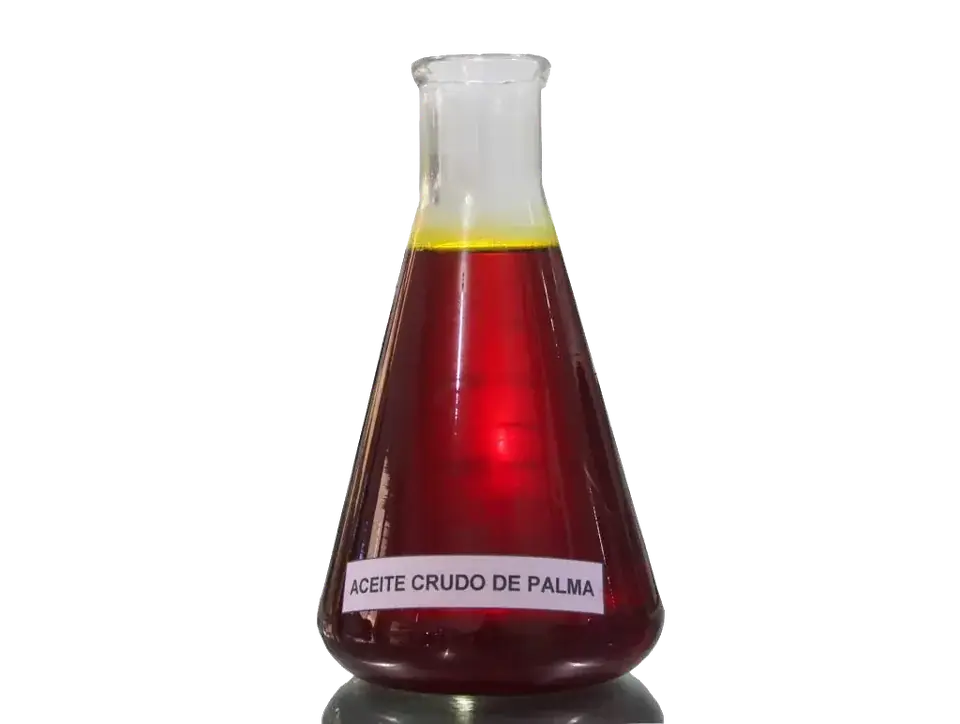
Obtained by mechanical extraction from the palm fruit.
Uses and enquiries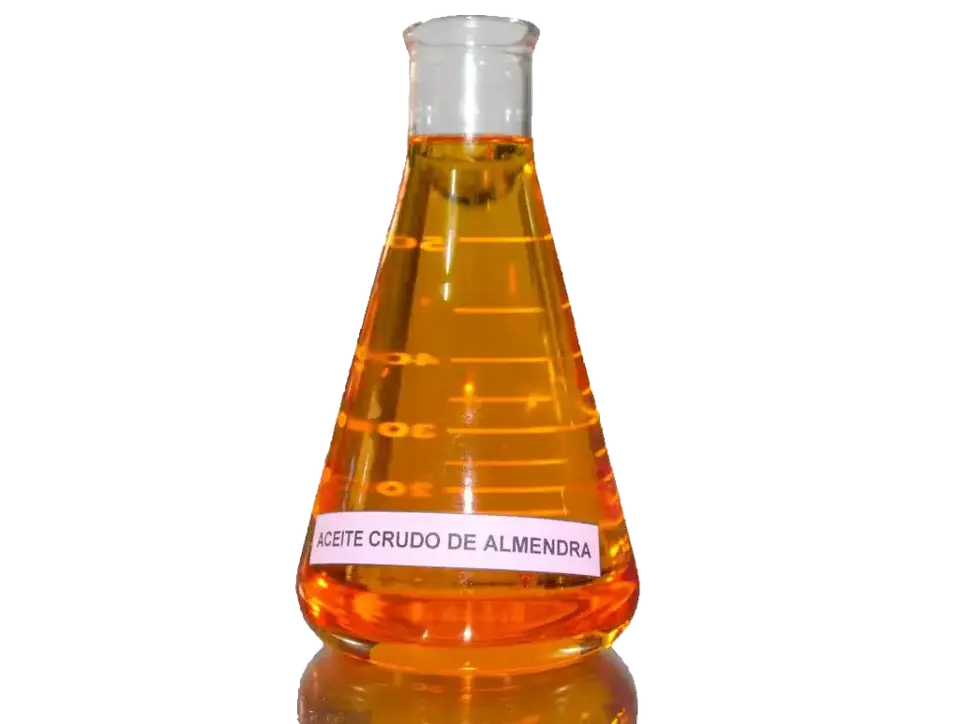
A vegetable oil obtained by mechanically pressing the kernel of the palm fruit.
Uses and enquiries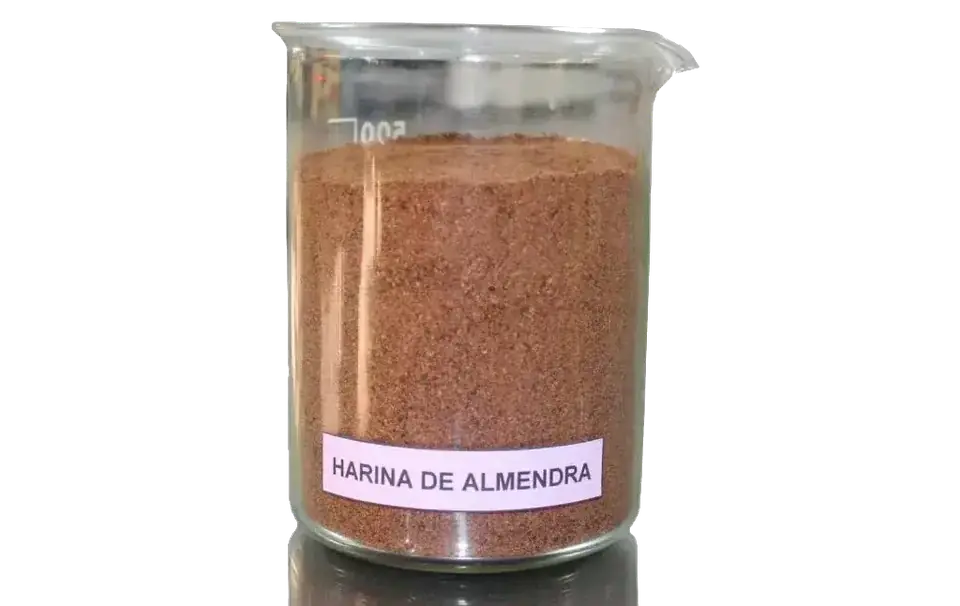
Produced from the kernel of the palm fruit and used as the main ingredient in animal feed concentrates..
Uses and enquiries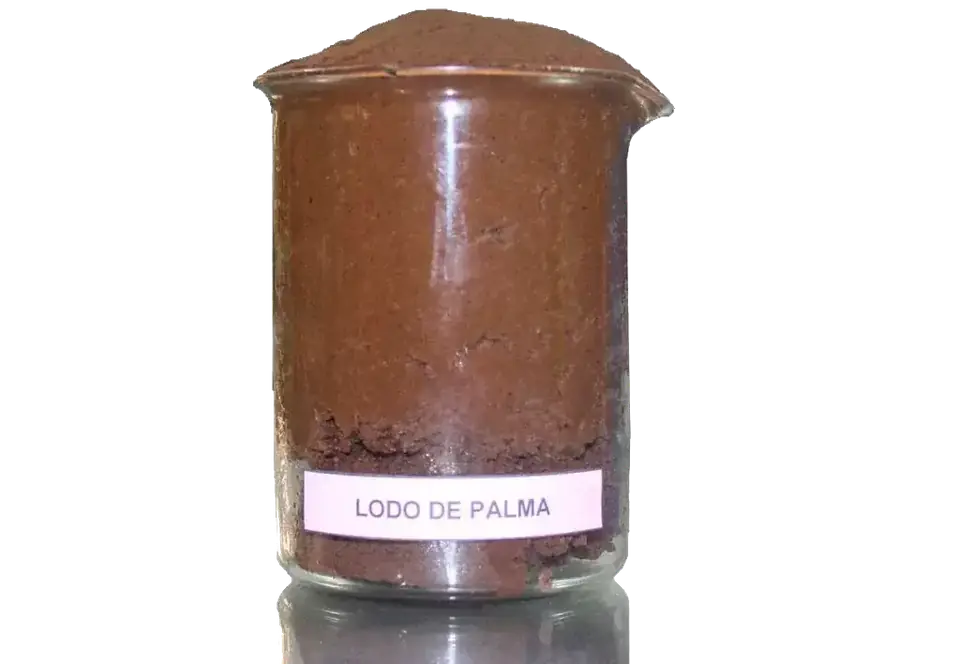
A by-product of the palm fruit mesocarp obtained during crude oil extraction.
Uses and enquiriesCertifications and documents
We hold RSPO Principles and Criteria certification for sustainable palm oil production (code CU-RSPO-903184), issued on March 13, 2025, and RSPO supply chain certification for palm kernel oil (CU-RSPO SCC-903184), valid since August 27, 2024.
We publish every certificate and our policies so anyone can consult them.
Conservation
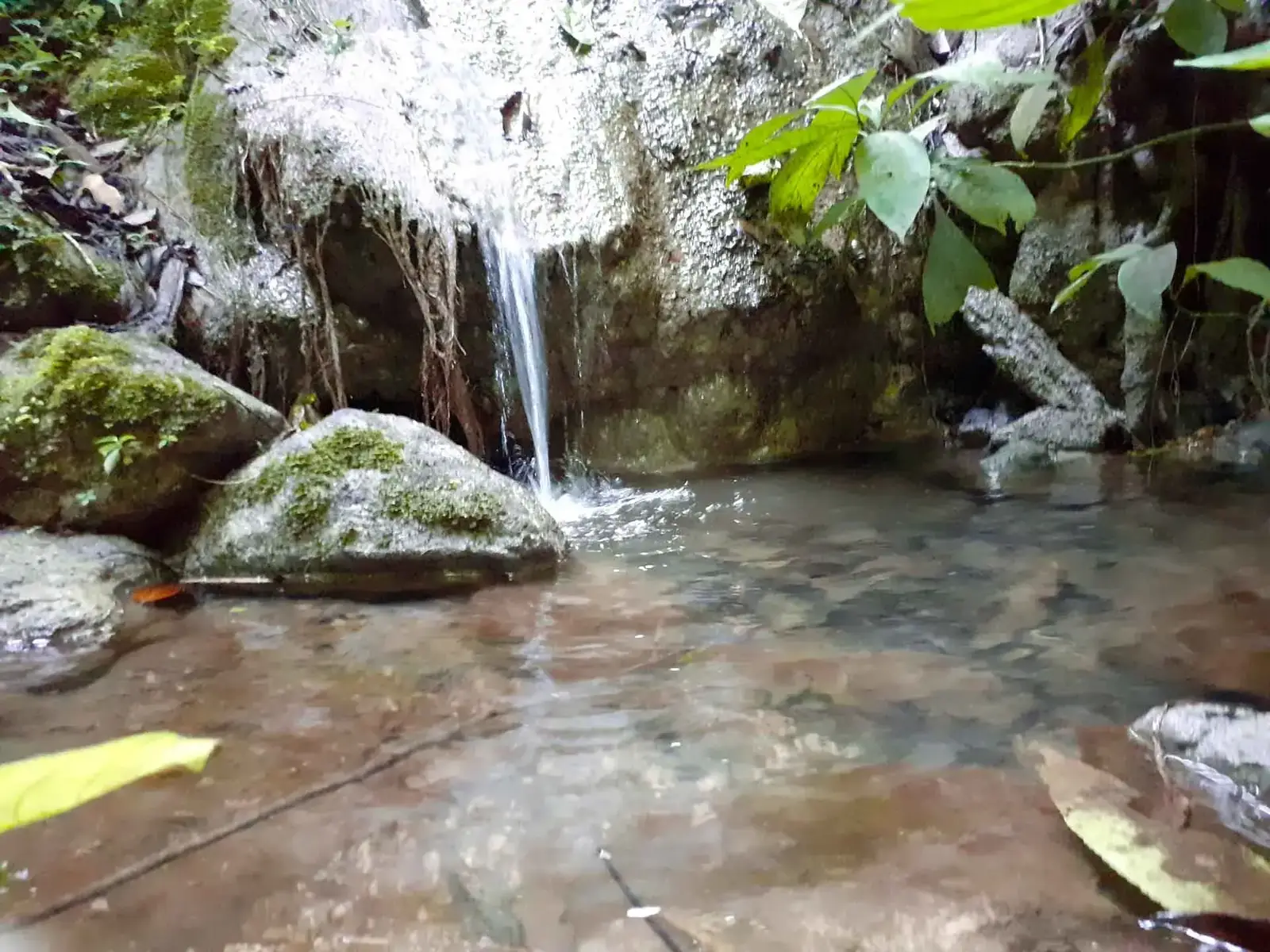
The cooperative protects forest fragments and water bodies on its farms. Its records, published in December 2023, report 237 plant species and 171 species of macrofauna.
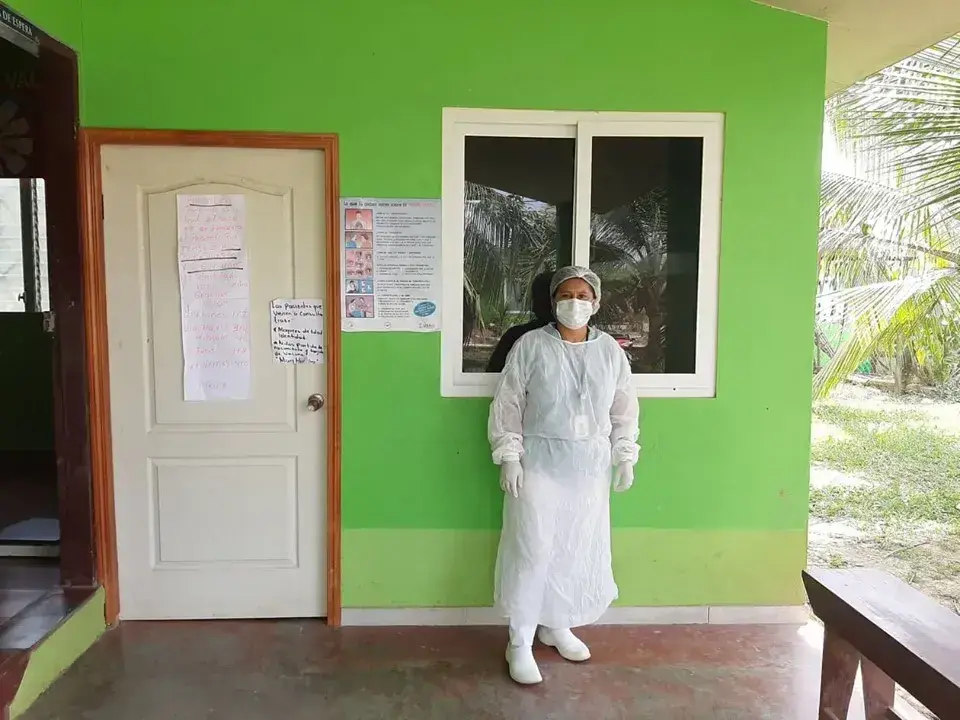
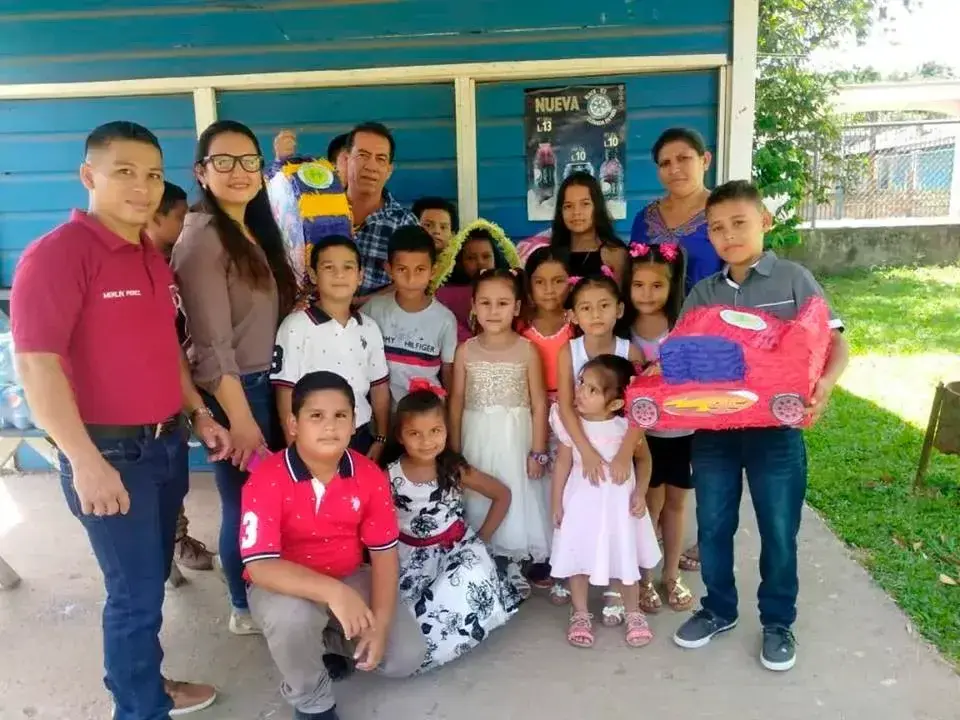
We support health, education, infrastructure, training and employment in our area of influence.
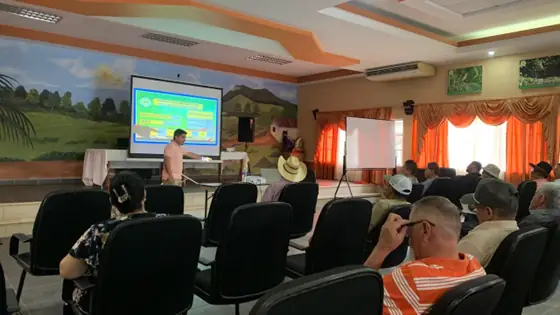
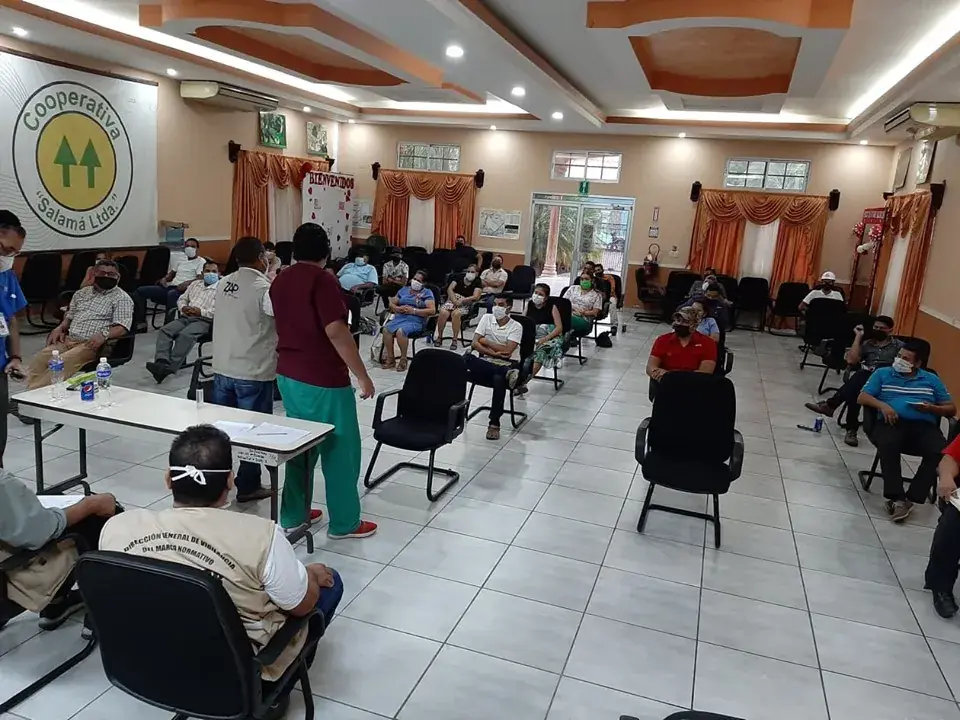
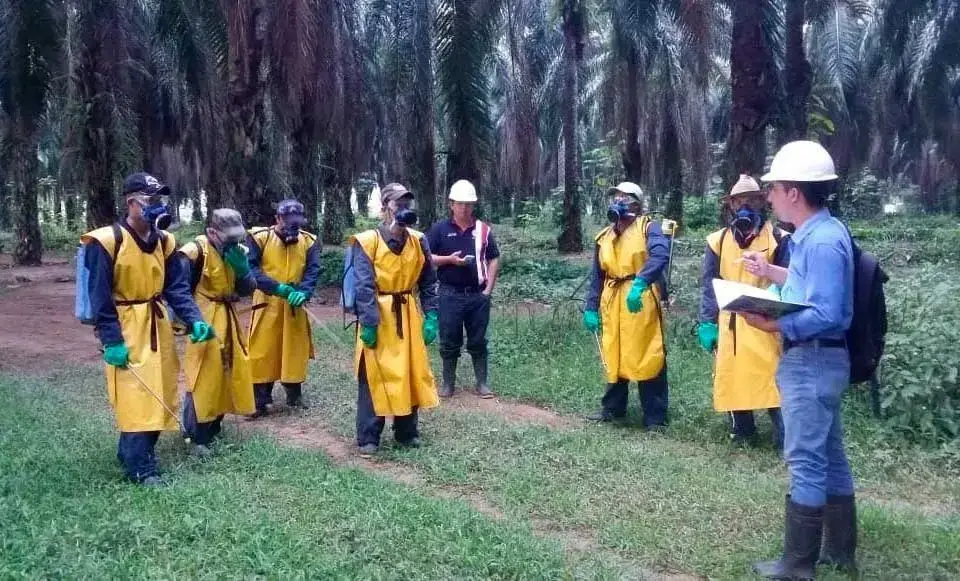
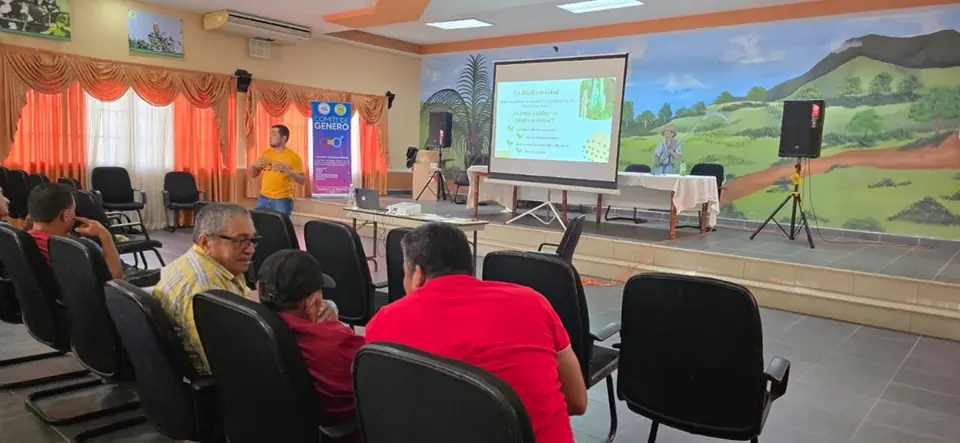
Training sessions with independent smallholders in our supply chain.
A comprehensive overview of the RSPO principles and how they relate to the cooperative’s environmental management: waste, water and sensitive areas.
An operational and administrative session: farm maintenance, handling complaints, claims and suggestions, and good human resources practices.
A session combining economic and technical information: the FFB price update, pest and disease management, safe agrochemical application and mineral nutrition.
Recognitions
National, community and international institutions have recognized the cooperative’s work since 1992.
For its support of the 2017 Environmental Education Fair.
For its dedication and commitment to volunteer work at the 1st HODAM Marathon 2016.
For its valuable contribution to the cooperative model as a basis for economic and social strengthening.
For its contribution to the PREXC-EDUCOMER program.